
Plants
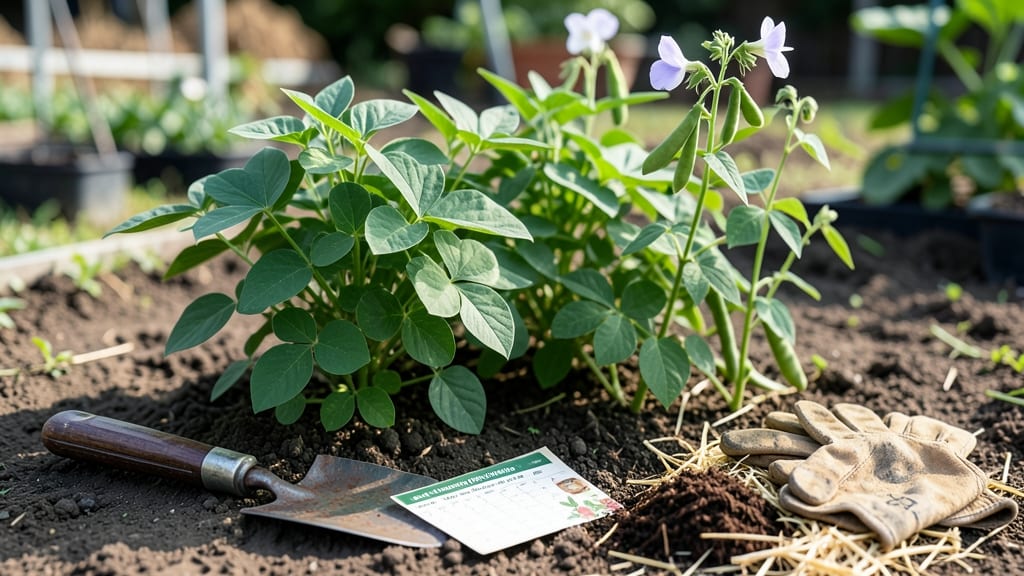
Timing your Green Beans 🌱 planting in East Tennessee can mean the difference between a thriving harvest and wasted effort. With the right window—typically April to May or late summer—you’ll avoid frost damage and heat stress that stunts growth.
This isn’t just about calendar dates, though. Soil temperatures matter just as much as frost warnings. In USDA Zones 6a-7a, waiting until the ground warms to at least 60°F ensures strong germination and faster growth.
Let’s cut through the guesswork. I’ll walk you through the exact frost dates, soil prep tricks, and even how to adjust for East Tennessee’s mountain-valley microclimates. By the end, you’ll know precisely when to plant for a harvest that lasts from June through October.
No more second-guessing—just a foolproof plan tailored to your backyard. Ready to grow like a pro? Let’s dive in.
East Tennessee green bean planting calendar: frost dates and ideal windows
Timing is everything when planting green beans in East Tennessee. The USDA Zones 6a-7a here offer a 180-day frost-free window, but planting too early risks frost damage, while late planting can lead to heat-stressed plants.
I’ve broken down the optimal planting windows based on local frost dates and soil temperature needs.
For spring planting, aim for mid-April to early May after the last frost date. This ensures your green beans have 60°F soil temperatures—critical for germination.
In Zone 7a (e.g., Knoxville), the last frost typically occurs around April 15, while Zone 6a (e.g., higher elevations) may wait until May 1.
If you’re planting pole beans or bush beans, both thrive in these windows, but pole varieties get a head start. Pole beans can handle slightly cooler soils, so you might plant them 1-2 weeks earlier than bush beans.
This gives them time to establish before the heat of summer arrives.
🌱
| Planting Stage | Timeframe | Soil Temp | Notes |
|---|---|---|---|
| Spring Planting | Mid-April to early May | 60°F+ | After last frost; pole beans 1-2 weeks earlier |
| Fall Planting | Late July to early September | 55°F+ | Before first frost; harvest before heat stress |
| Harvest Window | June–July (spring), Sept–Oct (fall) | N/A | Pick pods at 4–6 inches for best flavor |
Don’t overlook fall planting—it’s a game-changer for East Tennessee gardens. Plant green beans from late July to early September to enjoy a second harvest before the first frost hits in mid-October.
For fall success, choose heat-tolerant varieties like Contender or Blue Lake, and ensure soil temps stay above 55°F.
Pro tip: Use row covers or black plastic mulch to warm soil faster in spring or protect plants from unexpected late frosts. I’ve used these tricks in my own garden to extend both planting and harvest seasons by 2-3 weeks.
For container gardening, plant bush beans in 5-gallon pots and place them in full sun. Containers warm up faster, so you can start them 1 week earlier than in-ground plants. Just ensure pots have drainage holes to prevent root rot.
🌿
If you’re new to growing green beans, start with bush varieties—they’re easier to manage and perfect for beginners. Pole beans, on the other hand, require trellises but produce longer and may yield 30% more per plant. I recommend trying both to see which suits your garden style!
✂️
How to adjust planting for East Tennessee’s microclimates (mountains vs. valleys)
East Tennessee’s diverse terrain—from the Smoky Mountains to the Knoxville Valley—creates microclimates that shift frost dates and growing seasons dramatically. In higher elevations like Gatlinburg (Zone 6a), frost lingers until May 15, while valleys like Chattanooga (Zone 7a) see last frosts by April 1.
These differences mean your green bean planting window could vary by 6 weeks! Understanding these nuances helps you avoid late frosts or scorching summer heat that stunts growth.
For mountain gardeners, wait until May 1 to plant—even if soil warms earlier. Use row covers or black plastic mulch to jumpstart soil temperatures. In valleys, you can start as early as mid-April, but monitor forecasts for unpredictable cold snaps.
Both regions benefit from succession planting every 2 weeks to stretch harvests, but timing matters most in high-altitude areas where summers are shorter.
Here’s how to adapt your strategy based on elevation:
| Factor | Mountain Regions (Zone 6a) | Valley Regions (Zone 7a) |
|---|---|---|
| Last Frost Date | Mid-to-late May | Early April |
| Ideal Planting Window | May 1–June 15 | April 15–May 10 |
| Soil Temp for Germination | 60°F+ (use row covers) | 55°F+ (warmer earlier) |
| Summer Heat Risk | Lower (cooler nights) | Higher (90°F+ common) |
| Succession Planting | Every 2 weeks until July 1 | Every 2 weeks until August 1 |
If you’re in a transition zone (e.g., Sevier County), err on the side of caution. Plant pole beans first—they mature faster and tolerate cooler soils. For bush beans, wait until soil hits 65°F to ensure quick germination.
In valleys, prioritize heat-tolerant varieties like Contender or Blue Lake to avoid blossom drop in July’s heat.
Extend your season with row covers or cold frames in mountains, or use drip irrigation in valleys to prevent heat stress. Both strategies buy you 2–4 extra weeks of growing time. Just remember: valleys bake faster in summer, so mulch heavily to retain moisture and cool roots.
For container gardening, mountain dwellers can start seeds indoors in late March and transplant after frost. Valley gardeners should direct-sow after April 15 to avoid overcrowding as plants mature quickly in warmer soil.
Whether you’re in the Smokies or the Cumberland Plateau, local Cooperative Extension offices offer free frost-date data—always check before planting!