
Plants
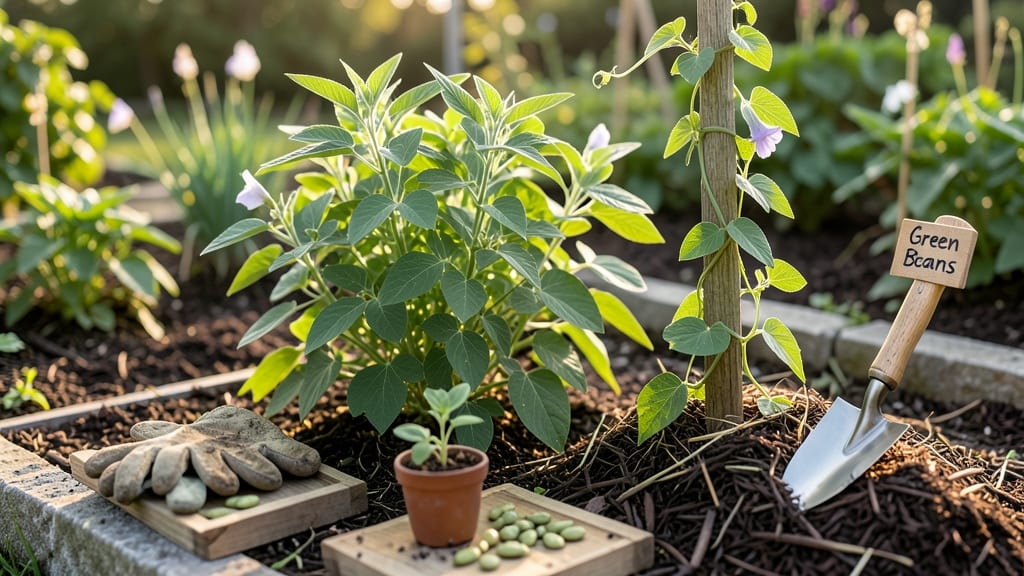
Timing your Green Bean 🌱 planting in Maine isn’t just about the calendar—it’s about beating frost, warming soil, and giving those vines the 50-day head start they need to produce.
Plant too early, and a late frost will wipe out your crop; too late, and you’ll miss the sweet, tender harvests from July to September. The key? Knowing your last frost date (usually mid-May) and soil temperature (aim for 60°F or warmer).
Maine’s 5b-6b climate means gardeners here have to work smarter, not harder. Whether you’re growing bush beans or pole varieties, the mid-May to early June window is your golden opportunity—but regional differences matter.
Southern Maine might have a few extra days, while northern areas need to act fast. I’ll break down the exact dates and soil prep tricks to ensure your beans thrive, not just survive.
Here’s the game-changer: succession planting. By staggering your sowing every 2 weeks after the initial window, you can extend your harvest well into September. And with the right cold protection (like row covers), you might even squeeze in a late-summer crop.
Let’s dive into the precise timeline and tips tailored for Maine’s short but productive growing season.
Ready to avoid the common mistakes that leave Maine gardeners scratching their heads? From planting too shallow to ignoring soil pH, I’ll share the fixes that actually work.
Whether you’re a first-timer or a seasoned grower, these insights will help you turn your Green Bean patch into a productivity powerhouse—no guesswork required.
Maine’s frost-free green bean planting windows: exact dates by variety
Maine’s cool climate and short growing season make timing critical for green beans. Plant too early, and late frosts will kill tender seedlings. Too late, and you’ll miss peak harvests before fall frosts arrive.
Let’s break down the optimal planting windows for both bush beans and pole beans across Maine’s regions.
Most of Maine falls under USDA Zones 4-5, where the last spring frost typically occurs between May 10-20, depending on location. Southern Maine (like Portland) warms up faster, while Northern Maine (like Bangor) may wait until late May.
Always check your local frost-free date using the National Weather Service or Maine Climate Office.
Soil temperature is just as critical as air temperature. Green beans thrive when soil reaches 60°F (15°C). Use a soil thermometer to confirm—cold soil delays germination and weakens seedlings. In Maine, this usually aligns with late May, but early June is safer in colder regions.
For bush beans, aim to plant seeds 1 inch deep and 4-6 inches apart in rows 18-24 inches apart.
They mature faster (50-60 days) and are ideal for Maine’s short season. Pole beans, which take 60-70 days, need trellises but offer higher yields per square foot.
Here’s how to align your planting with Maine’s climate zones:
| Region | Last Frost Date | Optimal Planting Window | Soil Temp Threshold | Best Varieties |
|---|---|---|---|---|
| Southern Maine (Portland, Kittery) | May 10-15 | May 20 - June 5 | 60°F (15°C) | Blue Lake, Contender, Tendergreen |
| Central Maine (Augusta, Waterville) | May 15-20 | May 25 - June 10 | 60°F (15°C) | Kentucky Wonder, Provider, Blue Lake |
| Northern Maine (Bangor, Presque Isle) | May 20-25 | June 1 - June 15 | 60°F (15°C) | Tendercrop, Blue Lake, Golden Gate |
For pole beans, which take longer to mature, consider starting seeds indoors 2-3 weeks before your target outdoor date. Use biodegradable pots to avoid transplant shock. Place seedlings in full sun and harden them off for 5-7 days before transplanting.
If you’re eager for an early harvest, try cold-hardy varieties like Provider or Kentucky Wonder. These can tolerate light frosts and may germinate slightly earlier. However, avoid planting before May 1—even these varieties struggle with hard frosts below 28°F (-2°C).
Pro tip: Use black plastic mulch to warm soil faster and extend the season. Lay it down 1-2 weeks before planting to raise soil temperatures by 5-10°F. This is especially helpful in Northern Maine, where soil warms slowly.
Remember, Maine’s first frost typically arrives by mid-October. For a fall harvest, plant late varieties like Blue Lake in early July for a September-October pick. Use row covers to protect plants from early frosts.
Timing your green bean planting in Maine isn’t just about dates—it’s about balancing soil warmth, frost risk, and variety maturity. With this guide, you’ll maximize your harvest and avoid the heartbreak of wasted seeds or lost crops.
How to extend your green bean season in Maine: succession planting & cold protection
Maine’s cool climate means green beans won’t thrive all season long—but with smart strategies, you can stretch your harvest from early July to late September. The key? Succession planting and cold protection to safeguard tender seedlings.
I’ve grown beans in Zone 5b for years, and these tricks have doubled my harvests without risking frost damage.
Start by planting two staggered batches of beans: the first in mid-May (after last frost) and the second in early July. This ensures a continuous supply while accounting for Maine’s unpredictable weather.
For pole beans, which take longer to mature, even a third planting in late June can work if you’re aiming for a fall harvest.
Cold-hardy varieties like ‘Kentucky Wonder’ or ‘Blue Lake’ tolerate cooler soils better than heat-sensitive types. Pair them with row covers or low tunnels to shield seedlings from late frosts. I’ve seen 30°F nights delay germination, so don’t rush—wait for soil temps to hit 60°F consistently.
🌱Pro Tip: Use black plastic mulch to warm soil faster in spring. It raises ground temps by 5-10°F, giving beans a head start. Combine this with drip irrigation to keep roots moist without wetting foliage, which reduces fungal risks in Maine’s humid summers.
5 Ways to Extend Your Maine Green Bean Season
- 1. Succession Plant: Sow seeds every 2-3 weeks from May to July for continuous harvests.
- 2. Use Row Covers: Protect seedlings with floating row covers until soil warms to 60°F.
- 3. Choose Cold-Tolerant Varieties: Opt for ‘Provider’ or ‘Tendercrop’—they handle cooler temps better.
- 4. Extend Fall Harvest: Plant one late batch in August under row covers for a September harvest.
- 5. Mulch Heavily: Use straw or grass clippings to insulate roots and retain moisture.
For fall harvests, aim to plant 60-70 days before Maine’s first frost (typically mid-October). In Southern Maine, this might be early August, while Northern Maine gardeners should start by mid-July. Always check your local USDA frost calendar—it’s your best guide.
If you’re short on space, try container growing. Five-gallon buckets work well for bush beans, and you can move them to sunnier spots or under covers when nights cool. Just ensure pots have drainage holes—Maine’s clay soil can cause root rot if water pools.
🌿Remember: Green beans are fast growers—they’ll bolt if stressed. Prioritize consistent moisture and full sun, even if it means sacrificing a few other crops. With these tactics, you’ll enjoy fresh-picked beans from July through September, no matter where in Maine you garden.