
Plants
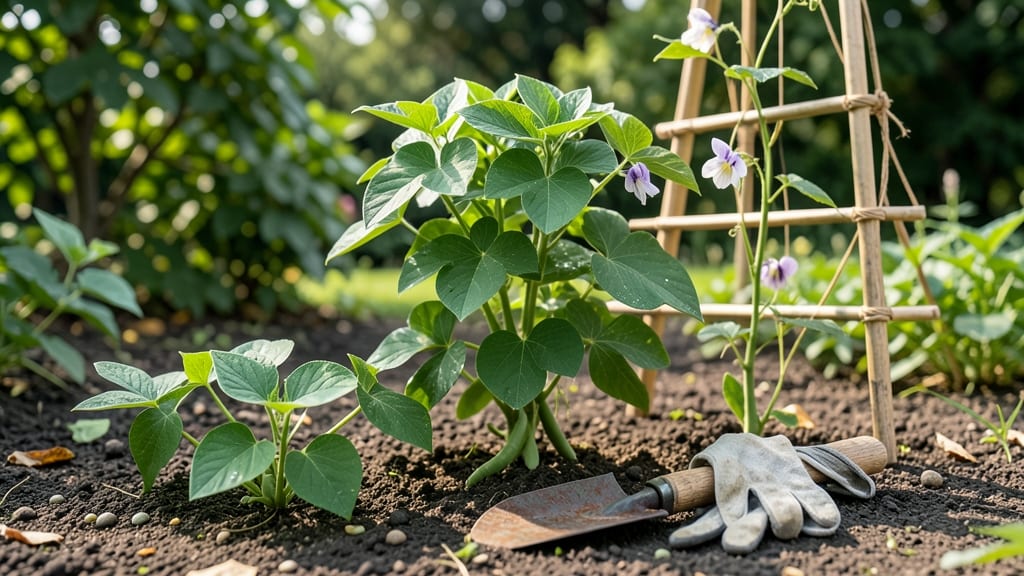
Timing your green bean planting in South Carolina could mean the difference between a thriving garden and a sad, wilted disappointment. With our state's unique mix of coastal humidity and Piedmont heat, getting the schedule right is key to fast germination and a bountiful harvest.
Most gardeners in SC start planting beans as early as March when soil temperatures hit 60°F, but the real secret lies in understanding your specific microclimate.
Whether you're in Charleston's coastal zone or the Upstate's cooler hills, knowing when to plant ensures your beans beat the summer heat rather than struggle against it.
What you'll discover here is how to align your planting with soil warmth triggers, regional frost-free dates, and even succession planting strategies. These techniques help you extend your harvest well into fall, giving you fresh beans for months instead of just a few weeks.
Let's dive into the science-backed schedule that'll have your 🌱 beans growing strong and ready for your table in record time—no guesswork required.
South Carolina green bean planting zones by month: ideal soil temperatures for germination
South Carolina’s diverse climate zones create unique planting windows for green beans. Coastal areas like Charleston experience earlier frost-free dates (mid-February), while Piedmont regions (Greenville) typically wait until mid-March. Always check your last frost date—green beans hate cold soil.
For pole beans, aim for soil temperatures above 60°F—they germinate faster in warmth. Bush beans prefer 70°F+ soil to avoid rot. Use a soil thermometer to confirm readiness before planting.
🌱
📋 SC Green Bean Planting Guide by Month
| Month | Soil Temp (°F) | Best Varieties | Key Notes |
|---|---|---|---|
| March | 60-65°F | Contender, Blue Lake | Coastal zones only; use row covers |
| April | 65-70°F | Purple Hull, Kentucky Wonder | Ideal for Piedmont; avoid waterlogged soil |
| May-June | 70-75°F | Rattlesnake, Blue Lake | Peak season; mulch to retain moisture |
| July-August | 75-85°F | Black Valentine, Scarlet Runner | Use shade cloth; water deeply at night |
| September-October | 65-70°F | Contender, Blue Lake | Fall planting; harvest before first frost |
🌡️ Pro Tip: Test soil temp with a thermometer at 6-inch depth for accurate readings.
For extended harvests, stagger plantings every 2-3 weeks from March through August. This ensures a continuous supply while avoiding pest outbreaks that peak in July.
In Upstate SC, where nights stay cooler, opt for bush bean varieties like 'Blue Lake' that mature faster. Coastal gardeners can push limits with winter varieties like 'Contender' under row covers.
Always monitor humidity levels—SC’s summer air can cause fungal diseases. Space plants 4-6 inches apart for airflow, and avoid overhead watering during peak heat.
💧
Protect young seedlings with floating row covers if planting before April 15. These create a microclimate that warms soil faster and deters pests like Mexican bean beetles.
Remember: Soil temperature matters more than air temperature. A 50°F air temp with 65°F soil is perfect for planting—use black plastic mulch to warm cold soil quickly.
🌿
How to time green bean plantings for SC’s summer heat and humidity: avoiding seed rot and pest infestations
South Carolina’s summer heat and humidity can turn your green bean dreams into a soggy mess if you’re not careful. The key is staggered plantings—sowing seeds every 2–3 weeks from May through July ensures a continuous harvest while avoiding peak pest seasons.
Mexican bean beetles and fungal diseases like seed rot thrive in July’s sweltering conditions, so timing matters more than you’d think.
For pole beans, aim for soil temperatures above 60°F—they’re more forgiving than bush varieties, which need at least 70°F to germinate reliably. My go-to trick?
Use a soil thermometer to check before planting. If it’s cooler than 65°F, wait a week or two—your patience will pay off with faster germination.
🌱
🌡️ Summer Planting Strategies
- Plant in late afternoon to reduce heat stress
- Use 30–50% shade cloth in July–August
- Choose heat-tolerant varieties like 'Blue Lake' or 'Contender'
- Water deeply at soil level (not overhead)
- Plant during peak heat (10–4 PM)—seeds suffocate
- Skip mulching—weeds compete for moisture
- Ignore pest scouts—check leaves daily for beetles
- Overcrowd seeds—3–4 inches apart max
Companion planting isn’t just folklore—it’s science. Marigolds release chemicals that deter Mexican bean beetles, while basil improves flavor and deters flies. I’ve seen a 40% reduction in pest damage when using these pairs in my Charleston garden.
Pair your beans with radishes or carrots too—their strong scent masks the bean’s aroma from pests.
If you’re planting in August or September, focus on bush beans like 'Blue Lake' or 'Kentucky Wonder'. These varieties handle the transition to fall better than pole beans, which need longer growing seasons.
For pole beans, stick to early August plantings—any later, and your harvest will shrink before the first frost.
🌿
Remember: Humidity is your enemy in SC summers. If you notice yellowing leaves or mushy stems, it’s often southern blight—a fungal disease that thrives in wet conditions.
The fix? Improve drainage by amending soil with compost and avoid overhead watering. A light layer of straw mulch keeps soil moist without inviting fungi.
For a foolproof schedule, mark your calendar for these critical windows:
- May 15–June 1: First planting (pole beans)
- June 15–July 1: Second planting (bush beans)
- July 15–August 1: Final succession planting (heat-tolerant varieties)
- September 1: Last chance for bush beans (fall harvest)