
Plants
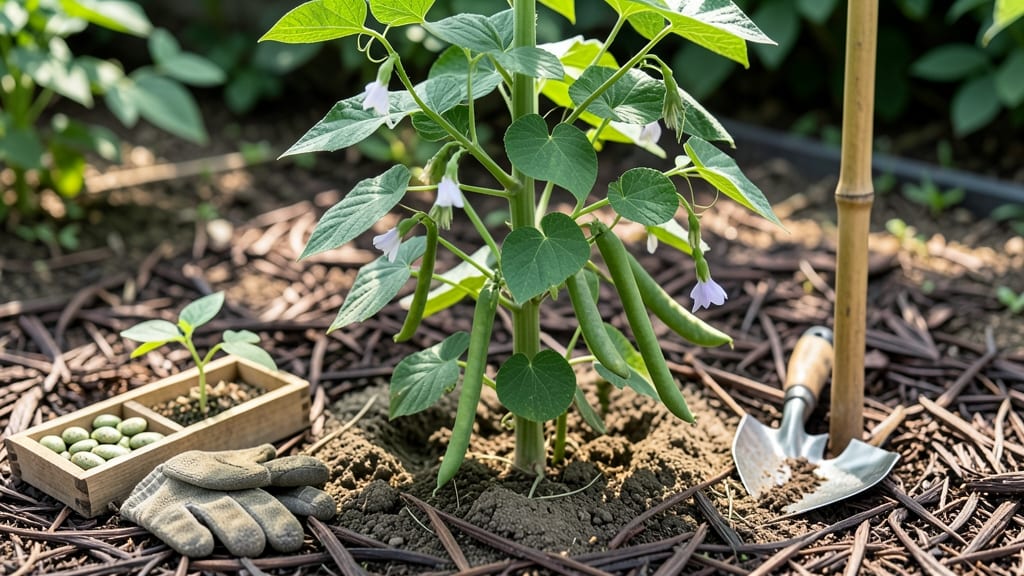
Timing your green bean 🌱 planting in Seattle isn’t just about dates—it’s about beating the rain, avoiding early frosts, and unlocking a harvest that’ll make your neighbors jealous.
With USDA Zone 8a’s unpredictable shifts from chilly mornings to sudden heatwaves, getting the window right means the difference between a bountiful harvest and a sad, wilted disappointment.
Most gardeners in Seattle swear by two key planting windows: mid-April to early June for spring beans and late July to early August for fall crops.
But here’s the catch—your exact timing depends on whether you’re growing bush beans (faster) or pole beans (slower), and whether you’re dealing with a sheltered urban plot or a windy backyard. I’ll break down the frost-free timeline and microclimate tweaks that’ll have you harvesting from June through October.
What if you miss the spring window? No problem—I’ll show you how to extend your season with row covers and companion planting tricks that thrive in Seattle’s damp climate.
Whether you’re a first-time gardener or a veteran with a few failed attempts under your belt, these strategies will help you grow healthier, more productive green beans than ever before.
Ready to ditch the guesswork? Let’s dive into the exact dates, soil prep secrets, and variety picks that’ll turn your Seattle garden into a green bean powerhouse—no matter what Mother Nature throws your way.
Seattle’s green bean planting timeline: exact dates to avoid frost
Seattle’s cool, rainy climate makes timing your green bean planting the difference between a bountiful harvest and a failed experiment. The last spring frost typically occurs between April 15–May 15, while the first fall frost arrives around October 1–15.
These dates create a 165-day frost-free window—your golden opportunity for growing pole beans, bush beans, or heirloom varieties.
For spring planting, aim to sow seeds 2–4 weeks after your last frost (mid-April to early June).
This ensures your 60–90 day varieties mature before summer heat or fall rains stress the plants. Fall planting should happen 80–90 days before the first frost (late July to early August) for a late-season harvest before cold sets in.
Seattle’s USDA Zone 8a/8b climate means microclimates matter. Urban areas like Ballard or Fremont may warm up faster than rural zones near Snoqualmie. Check your local weather station or use a soil thermometer to confirm 60°F+ soil temps—a must for germination.
Here’s the key rule: Plant pole beans (longer growing season) 2 weeks earlier than bush beans (faster maturing). Heirloom varieties like ‘Rattlesnake’ tolerate cooler temps better, while ‘Blue Lake’ thrives in warmer summer months. Your harvest window shifts with variety—45–65 days after planting.
Pro tip: Use row covers to push your spring planting 2 weeks earlier or extend your fall harvest by 3–4 weeks. These lightweight fabrics protect against late frosts and pests while allowing sunlight through.
For urban gardeners, container growing works well—just ensure pots have drainage holes and are placed in full sun.
Seattle’s Pacific Northwest rains can drown seeds if planted too early.
Wait until the soil is warm and crumbly (test with your finger—it should feel like a damp sponge, not mud). Direct sowing is easiest for green beans, but if you start indoors, begin 6–8 weeks before your last frost under grow lights.
Remember: Soil prep is non-negotiable. Amend your garden bed with compost or aged manure to improve drainage—waterlogged soil causes root rot, a common killer of Seattle-grown beans. Aim for a pH of 6.0–7.0, and avoid fresh manure, which can burn tender seedlings.
Your harvest timeline depends on variety and planting date. Spring-sown beans typically ready by late June–August, while fall plantings yield in September–October. Mark your calendar for succession plantings every 2 weeks to keep pods coming all season—this is how Seattle gardeners avoid glut or scarcity.
3 Critical factors that determine your green bean success in Seattle
Timing your green beans isn’t just about frost dates—Seattle’s cool summers, moisture-heavy soil, and variable sunlight create unique challenges. I’ve grown beans here for years, and these three factors separate thriving plants from sad, stunted failures. Let’s break them down so you can avoid the most common pitfalls.
First, your soil temperature must reach at least 60°F before planting. Cold soil delays germination and weakens seedlings. Use a soil thermometer to check—if it’s below 60°F, wait. Pro tip: Dark-colored mulch warms the soil faster than bare earth, giving you a 1-2 week head start in spring.
Soil Temperature
Minimum: 60°F (15.5°C)
Ideal: 70°F+ (21°C+)
Test with: Soil thermometer or finger (should feel warm, not cold)
Fix slow warming: Use black plastic mulch or plant in raised beds
Second, moisture balance is tricky in Seattle’s rainy climate. Green beans need consistent moisture but hate soggy roots. Water deeply every 2-3 days in spring/fall, but reduce to every 1-2 days during our dry summer months.
The key? Water in the morning so foliage dries quickly—this prevents fungal diseases like rust, which thrives in damp leaves.
Third, sunlight exposure makes or breaks your harvest. Seattle’s partial cloud cover can fool you—your garden might look sunny but still get only 4-5 hours of direct light. Use a sunlight tracker for a week to confirm your spot gets 6+ hours daily.
If not, try reflective mulch (like white gravel) to bounce extra light onto plants.
Bonus tip: Extend your season with row covers! Lightweight fabric (like Agribon) adds 4-6°F protection and lets you plant 2-3 weeks earlier in spring or 3-4 weeks later in fall. Just remove covers when flowers appear to allow pollination.
Master these three factors, and you’ll go from finger-crossing hope to bucket-loads of beans every season. Trust me—I’ve seen both sides of Seattle’s green bean gamble!