
Plants
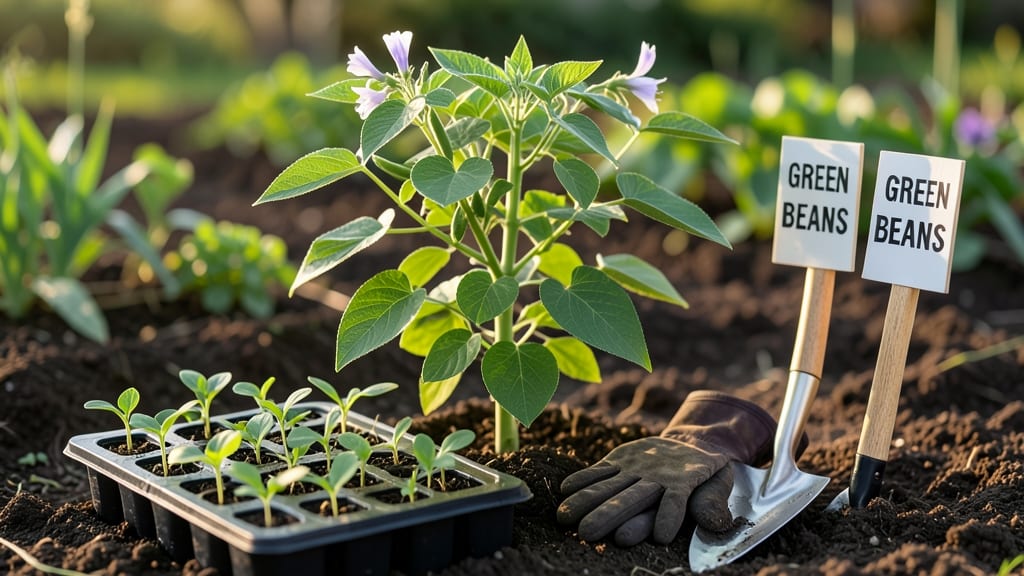
Timing your green beans 🌱 planting in Zone 8b could mean the difference between a bumper crop and wasted seeds—because those delicate sprouts won’t tolerate frost. Whether you’re a first-time gardener or a seasoned grower, getting the weeks right before your last frost date is the key to success.
Zone 8b’s mild winters and warm springs create a unique window for planting, but rushing too early can leave your beans vulnerable to unexpected cold snaps.
I’ll break down the exact planting windows—both spring and fall—that work best in your climate, so you can avoid common mistakes and maximize your harvest.
From soil temperature checks to succession planting tricks, I’ll show you how to stretch your harvest from early summer through crisp fall evenings. No more guessing—just proven strategies tailored for Zone 8b’s 240 frost-free days.
Ready to grow a garden full of tender green beans? Let’s dive into the precise timing and techniques that’ll give you a harvest you’ll actually want to eat.

Zone 8b green bean planting calendar: exact weeks before last frost
In Zone 8b, where average last frost dates hover around January 15 and first frosts arrive by December 15, timing your green bean planting is critical.
The 60-day growing window for most varieties means you’ll want to plant early enough to avoid summer’s brutal heat while ensuring a harvest before fall’s chill sets in.
Green beans thrive when soil temperatures stay above 60°F—any cooler, and germination slows dramatically. In Zone 8b, this typically means waiting until mid-March for early varieties or late August for fall plantings. But don’t guess—use your local frost-free date as your guide.
Here’s the Zone 8b green bean planting schedule broken down by season, including soil prep tips to ensure success:
| Planting Window | Soil Temp Requirement | Weeks Before Last Frost | Best Varieties | Notes |
|---|---|---|---|---|
| Early Spring (Mid-March) | 60°F+ | 8-10 weeks | Blue Lake, Contender | Use row covers for frost protection. |
| Late Spring (Early April) | 65°F+ | 6-8 weeks | Kentucky Wonder, Provider | Ideal for pole beans. |
| Fall (Late August) | 60°F+ | 10-12 weeks | Blue Lake Bush, Tendergreen | Choose heat-tolerant varieties. |
| Late Fall (Early Sept) | 55°F+ | 4-6 weeks | Mascotte, Derby | Use black plastic mulch to warm soil. |
For Zone 8b, I recommend starting with early spring plantings in mid-March to ensure your beans mature before summer’s heat peaks. Use a soil thermometer to confirm temperatures are above 60°F—cold soil is the #1 reason seeds fail to sprout.
If you’re planting in fall, aim for late August to give your beans 60-70 days to mature before temperatures drop. Heat-tolerant varieties like Blue Lake Bush handle Zone 8b’s summer heat better than traditional types.
Pro tip: Succession plant every 2 weeks in spring for a continuous harvest. In Zone 8b, this means planting again in early April and mid-April to stretch your harvest into June.
Always plant 1 inch deep and 3-4 inches apart—crowding leads to poor airflow and disease. In Zone 8b’s humid summers, this spacing is non-negotiable for healthy plants.
Finally, monitor your local microclimate. Areas near large trees or bodies of water may stay cooler longer, while south-facing gardens warm up faster. Adjust your planting dates by 1-2 weeks based on these factors.
With these Zone 8b-specific timing tips, you’ll avoid the common pitfalls of planting too early or too late—and enjoy a bountiful green bean harvest all season long. 🌱
How to extend your green bean harvest season in Zone 8b
Zone 8b gardeners can enjoy fresh green beans for months—not just a single spring harvest—by using smart planting strategies. The key is staggered plantings and succession sowing to keep pods coming from spring through fall.
With the right timing, you can avoid gaps in production and even push your harvest into late autumn before the first frost.
Start with early-season varieties like 'Blue Lake' or 'Contender' in late February to early March. These cold-tolerant types germinate well in 55-60°F soil, giving you a jumpstart. Then, follow up with mid-season varieties like 'Kentucky Wonder' in late April to early May for a continuous supply.
The trick is spacing plantings 2-3 weeks apart to ensure overlapping harvests.
🌱 Zone 8b Green Bean Planting Timeline
Early Varieties
Mid-Season Varieties
Fall Varieties
Don’t overlook late-season plantings—this is where Zone 8b shines! After your summer harvest winds down, sow heat-tolerant varieties like 'Mascotte' or 'Rattlesnake' in August. These varieties thrive in warm soil and can produce beans even as temperatures dip in September.
Just ensure your last planting goes in at least 8-10 weeks before your first frost (typically mid-December in Zone 8b).
For maximum yield, pair your outdoor plantings with container gardening. Dwarf varieties like 'Blue Lake Bush' thrive in pots and can be moved to shaded spots as summer heat intensifies.
This flexibility lets you extend your harvest well into October, especially if you use row covers to protect plants from early chills. Just remember: never let soil temps drop below 50°F for germination.
Pro tip: Save seeds from your best-performing plants to create a custom variety adapted to your microclimate. Zone 8b’s mild winters mean you can even try overwintering green beans in a greenhouse or cold frame for an early spring harvest.
Just plant seeds indoors in January and transplant outdoors in February when soil warms up.
With these strategies, you’ll turn your Zone 8b garden into a green bean powerhouse, enjoying fresh pods from March through November. The secret? Plan ahead, stagger plantings, and choose the right varieties for each season. Happy harvesting! 🌿