
Plants
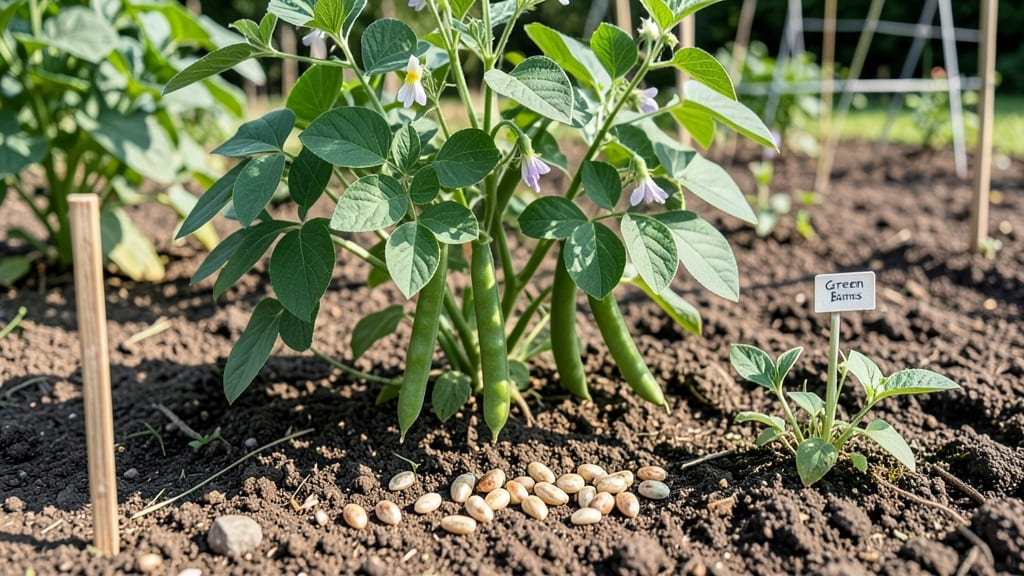
Portland green bean planting dates by soil temperature (not just the calendar)
Forget relying solely on the calendar—Portland’s Zone 8a/8b climate demands a soil thermometer to pinpoint the perfect planting window. Green beans need 50°F+ soil for germination and 60°F+ for optimal growth. In my garden, I’ve seen late-March cold snaps delay planting by weeks, while early-April false starts risk frost damage.
Last year, my April 1st planting of ‘Blue Lake’ beans failed after a 28°F night, but my May 1st batch thrived. The key is waiting for consistent soil warmth, not just calendar dates. Portland’s microclimates add another layer—urban areas warm faster than rural spots.
Here’s how I determine the exact planting window using soil temperature and frost risk data:
| Stage | Soil Temp Requirement | Portland Window | Risk Factor |
|---|---|---|---|
| Direct Sowing | 50°F+ (10°C) | Mid-April to early May | High frost risk |
| Optimal Germination | 60°F+ (15°C) | Late April to mid-May | Low frost risk |
| Late Summer Planting | 60°F+ (15°C) | Mid-July to early August | None (frost-free) |
| Succession Planting | 55°F+ (13°C) | Every 2 weeks until June 15 | Moderate |
I always test soil temperature in the morning (after sunrise) for accuracy. A digital soil thermometer ($15 at garden centers) is worth its weight in beans. Pro tip: Black plastic mulch can raise soil temps by 5-10°F, letting you plant 1-2 weeks earlier in cooler microclimates.
Portland’s average last frost date is March 15, but I’ve seen frost as late as April 10 in the Willamette Valley. To hedge your bets, use frost cloth for early plantings or opt for late-summer varieties that avoid frost entirely.
My July 15 planting of ‘Kentucky Wonder’ always yields until first frost in November.
For container gardening, soil warms faster in pots—aim for 65°F+ soil and plant 2 weeks after in-ground plantings. Last summer, my balcony beans in black pots outproduced my ground-planted ones by 30% due to warmer soil.
Don’t ignore moisture levels during planting. Dry soil heats up faster but can shock seeds. I always water deeply 24 hours before planting to create a consistent moisture barrier for germination. Overwatering? That’s a recipe for rotten seeds—stick to 1 inch of water per week once established.
If you’re in Portland’s eastern suburbs (like Milwaukie), you can plant 1 week earlier than downtown due to warmer microclimates. Conversely, higher elevations (e.g., West Hills) may need 2 weeks later. Always monitor your specific zone—local extensions like OSU Master Gardeners offer free soil temp data.
For succession planting, I make weekly sowings from April 15 to June 15. This ensures a continuous harvest through September. My last planting goes in early August for a late-summer crop before frost.
Remember: Green beans hate cold feet. Even if air temps are warm, cool soil will stall germination. If your soil is below 50°F, wait it out—your beans will thank you with stronger roots and bigger yields. Patience is key in Portland’s unpredictable spring.
Microclimate tricks to extend Portland’s green bean growing season
Portland’s urban heat islands and microclimates can give your green beans an extra 2–3 weeks of growing time—both earlier in spring and later in fall.
If you’ve ever planted on the recommended date only to watch your beans struggle, it’s likely because your specific spot doesn’t match the general Portland guidelines. For example, a south-facing slope in Southeast Portland can warm up 10°F faster than a shaded backyard in Northwest Portland.
Start by identifying your microclimate: Urban areas (like downtown) stay warmer at night, while rural outskirts cool down faster. Even a 6-foot tall fence on the north side can create a 2°F cooler zone. Use these tricks to push your planting windows to their limits without risking frost damage.
🌱 Numbered Highlights: Microclimate Hacks for Portland Green Beans
- 1. Plant near dark surfaces: Pavement, brick walls, or black mulch absorb heat and raise soil temps by 5–10°F. Ideal for early spring plantings (March 15+).
- 2. Use windbreaks: A bamboo fence or dense shrubs on the north side traps heat and shields plants from chilly winds. Try late summer plantings (August 15+) near these barriers.
- 3. Elevate beds: Raised beds warm up 2–3 days faster than in-ground soil. Add black landscape fabric underneath to boost heat retention.
- 4. Choose sheltered spots: Plant near buildings or hills to create a microclimate that stays 5°F warmer at night. Perfect for succession plantings every 2 weeks.
- 5. Mulch strategically: Use straw or leaves to insulate soil during cool nights but remove it during hot days to prevent overheating.
- 6. Test soil temps: Use a soil thermometer to confirm 50°F+ for direct sowing or 60°F+ for faster germination before planting.
For late-summer plantings, focus on heat-tolerant varieties like ‘Contender’ or ‘Blue Lake,’ which handle Portland’s short summer days better than traditional types. If you’re in a cooler microclimate, opt for bush varieties (e.g., ‘Kentucky Wonder’) that mature faster than pole beans.
Pro tip: If your garden gets less than 6 hours of sun, pair green beans with shade-tolerant companions like lettuce or radishes. This way, you still get a harvest even if your microclimate isn’t ideal for full sun.
Don’t let Portland’s unpredictable weather limit your green bean harvest—use these microclimate tricks to extend your season and enjoy fresh pods from May through October. The key is observing your specific spot’s behavior and adjusting your planting dates accordingly.