
Plants
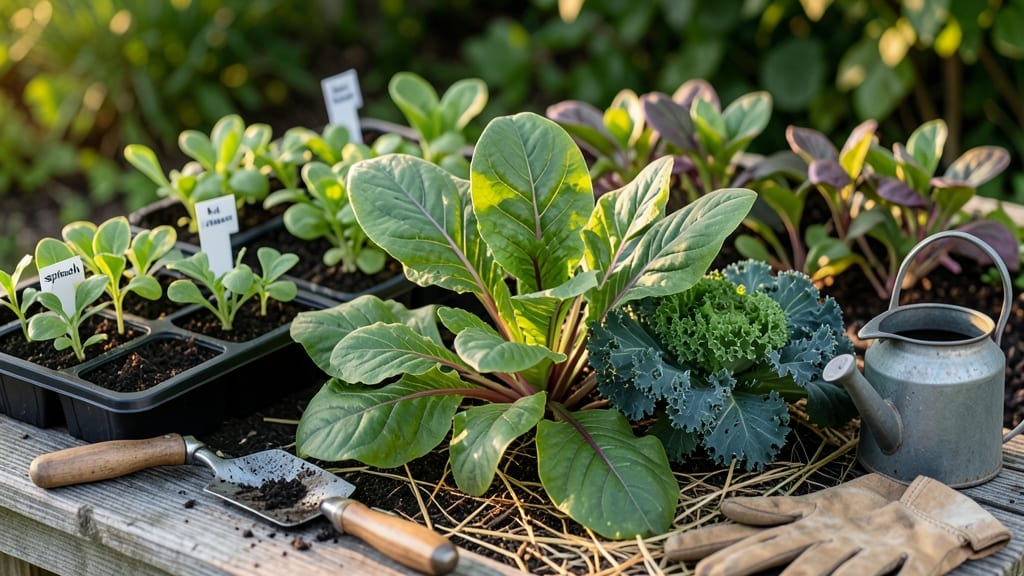
Timing your fall greens planting just right could mean the difference between a bountiful harvest and a sad, frost-bitten garden. With 🥬 leafy greens like kale and spinach thriving in cooler weather, knowing when to plant ensures tender, flavorful crops all the way into winter.
In USDA Zone 6a, where I garden, the magic window starts 4-6 weeks before your first frost—typically late August to early September. But here's the catch: planting too early risks bolting (those bitter, flowery greens), while waiting too long means frost will nip your plants before they mature.
I’ve learned the hard way that success depends on more than just dates—soil warmth, variety choices, and even afternoon shade play a role. Let’s break down the exact steps to get your fall greens off to a perfect start, no guesswork required.
Whether you’re a seasoned gardener or just starting, these insights will help you avoid common pitfalls and enjoy fresh, homegrown greens straight from your garden to your plate. Ready to dive in?
Fall planting timeline by USDA Zone: weeks before frost for leafy greens
Fall is the perfect time to grow leafy greens like lettuce, kale, and spinach—but timing is everything. Plant too early, and your crops may bolt before frost; too late, and they’ll freeze before harvest.
The key is calculating weeks before your first frost based on your USDA zone and the days to maturity of your chosen greens.
Most leafy greens fall into three categories: fast-maturing (30 days), medium (60 days), and slow (90 days). For example, arugula and baby spinach are quick growers, while Winterbor kale or Lacinato kale take longer.
Adjust your planting window to match your greens’ maturity timeline and your local frost date.
To find your frost date, check the USDA Plant Hardiness Zone Map for your area. For instance, in Zone 5, the first frost typically arrives around October 15, while Zone 8 might see frost as late as December 1.
Subtract the days to maturity from your frost date to determine your ideal planting window.
For example, if your frost date is November 1 (like in Zone 6) and you’re growing 30-day lettuce, plant around October 1. For 90-day kale, start seeds 3 months earlier, around August 1. This ensures your greens mature before winter sets in.
Here’s how to break it down by USDA zone and green type for a foolproof fall harvest:
| USDA Zone | First Frost Date | 30-Day Greens (e.g., Arugula, Spinach) | 60-Day Greens (e.g., Lettuce, Swiss Chard) | 90-Day Greens (e.g., Kale, Collards) |
|---|---|---|---|---|
| Zone 3-4 | Late September | Late August | Early August | Late July |
| Zone 5-6 | Mid-October | Late August | Early September | Mid-August |
| Zone 7-8 | Late November/Early December | Late September | Late September | Mid-September |
| Zone 9-10 | Mid-December | Early October | Early October | Late September |
Pro tip: Use succession planting to extend your harvest. For 30-day greens, sow seeds every 2 weeks until 6 weeks before frost. This ensures a steady supply of fresh leaves without overcrowding your garden.
Cold-hardy greens like kale and spinach can even survive light frosts, becoming sweeter after a 28°F chill. However, avoid planting tender lettuce varieties too close to frost—they’ll bolt or turn mushy. Always check seed packets for cold tolerance ratings to make the best choices for your zone.
Soil temperature also plays a role. Most leafy greens thrive in soil that’s 45-75°F. Use a soil thermometer to monitor conditions. If your soil is too warm (above 80°F), greens like lettuce may bolt prematurely.
In hot zones, wait until late summer or early fall when soil cools down.
Finally, don’t forget to harden off transplants before planting. Acclimate them to outdoor conditions over 5-7 days to reduce transplant shock. This is especially critical for fall transplants, which face cooler temperatures and potential frost.
With the right timing, your fall garden can produce bountiful, flavorful greens well into winter—no greenhouse required! 🥬
How to extend your fall greens season without risking frost damage
Even if your first frost is lurking, you can still enjoy fresh fall greens by using simple protective strategies. The key is balancing harvest timing with frost protection—think of it like giving your plants a cozy blanket while they mature.
I’ve tested these methods in my Zone 6a garden and seen harvests stretch from October to December!
Start by choosing cold-hardy varieties like kale or spinach, which can tolerate light frosts. Then layer protection like row covers or cold frames to shield tender crops like lettuce or arugula. These tools create microclimates that delay frost damage by 2–4 weeks, depending on the severity.
Here’s my proven step-by-step approach to extending your season without risking your plants:
Pick cold-tolerant greens (e.g., 'Winterbor' kale, 'Winter Density' kale, or 'Bloomsdale' spinach). These handle 20–25°F temps without bolting.
Install floating row covers 2–3 weeks before your average first frost. Secure edges with soil or bricks to trap warmth. Remove during the day if temps rise above 50°F.
For hardier greens, use a low-tunnel cold frame (PVC pipes + plastic sheeting). This can add 10–15°F of protection. Ventilate on sunny days to prevent overheating.
Sow new seeds every 10–14 days until 6 weeks before your last frost date. This ensures a steady supply of young, tender greens that mature before winter sets in.
Soil insulated by moisture stays warmer. Water deeply 1–2 days before a predicted frost to protect roots. Avoid wet foliage, which can freeze.
Pick outer leaves first to encourage regrowth. For heavy frosts, harvest entire plants before temperatures drop below 20°F.
Pro tip: Pair these methods with mulching (straw or leaves) to insulate soil and roots. In my garden, this combo delayed frost damage by nearly 3 weeks in Zone 6a. Just remember—protection ≠ indefinite growth.
Even the hardiest greens will slow down in deep freeze, so plan to harvest before consistent sub-15°F temps.
If you’re in a warmer zone (7–10), you might even push harvests into December with minimal protection. But in colder zones (3–5), focus on short-season varieties and aggressive row covers. The goal? Harvest before the ground freezes—not after.
🌿