
Planting
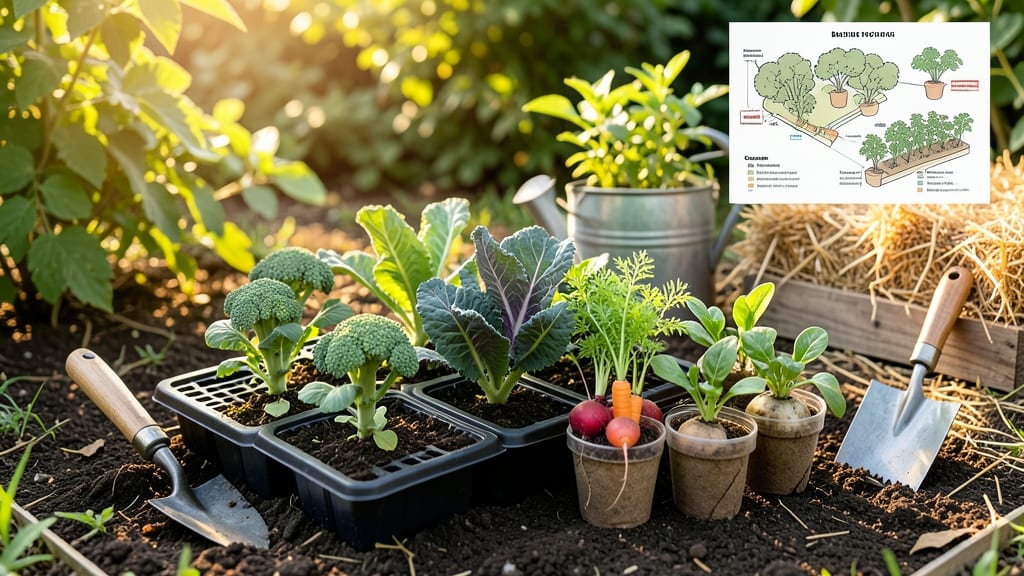
Timing when to plant a fall garden in Alabama right could mean the difference between a harvest that fuels your family through winter and a season of wasted seeds.
With Alabama’s unique 7a-8b climate, you’ve got a longer growing window than most—but only if you start planting at the perfect moment.
Most gardeners here rush to plant too early, only to watch their tender greens bolt in the heat. The secret? Planting cool-season crops like broccoli, spinach, and carrots between mid-August and early October gives them time to mature before the first frost hits.
But don’t wait too long—if you miss this window, you’ll be left with empty garden beds by November.
I’ve learned the hard way that Alabama’s humidity and unpredictable weather demand a strategic approach. Whether you’re in Birmingham’s urban heat islands or the cooler Appalachian foothills, the right timing ensures your 🌱 fall garden vegetables thrive. Let’s break down exactly when to plant for a harvest that lasts.
From soil prep to frost-proofing tips, I’ll share the exact steps I use to extend my garden’s life well past the first frost. You’ll leave here with a clear checklist—no guesswork, just bumper crops and fewer wasted seeds. Ready to dig in?
Best planting dates for Alabama fall gardens by region
Alabama’s diverse climate means your fall planting dates should vary by region—North Alabama’s cooler temps demand earlier starts, while South Alabama’s extended warmth lets you push crops later. Understanding these differences ensures your cool-season vegetables mature before the first frost, which typically hits mid-October to mid-November depending on elevation.
For example, Huntsville (Zone 7b) may see frost by October 15, while Mobile (Zone 8a) could stretch harvests into early December.
Soil temperature is just as critical as air temperature—ideal ranges for fall crops are 60–65°F, which Alabama usually hits by mid-August. If your soil stays warmer (common in Central Alabama), wait until early September to avoid bolting in heat-loving greens like lettuce.
Always check Alabama Cooperative Extension’s frost maps for precise local data, as microclimates (like urban heat islands) can shift frost dates by 1–2 weeks.
Here’s how to align your planting with Alabama’s three key regions:
🌱 North Alabama (Zones 6b–7a): Start mid-August for frost-sensitive crops like broccoli and cabbage, or early September for hardier greens. Frost arrives earlier here, so prioritize fast-maturing varieties (e.g., 30–50 days to harvest).
🌿 Central Alabama (Zones 7b–8a): Your window is late August to early October, with October 15 as your cutoff for most crops. This zone balances warmth and cooling, perfect for succession planting—sow radishes (25 days) in August, then spinach (40 days) in September.
🌳 South Alabama (Zones 8a–8b): Plant through early October, and some crops (like collards) can survive light frosts, extending harvests into December. Use this advantage for overwintering greens or herbs like cilantro, which bolts in summer heat.
| Region | USDA Zone | Start Planting | Last Planting | Avg. First Frost |
|---|---|---|---|---|
| North Alabama | 6b–7a | Mid-August | Early September | Oct 15–Nov 1 |
| Central Alabama | 7b–8a | Late August | Early October | Oct 1–Nov 15 |
| South Alabama | 8a–8b | Early September | Early October | Nov 1–Dec 1 |
📅 Pro Tip: Use Alabama Extension’s frost calendar to adjust dates yearly.
For transplants (like tomato seedlings or kale starts), aim to set them out 4–6 weeks before frost—this gives roots time to establish before temperatures drop. Direct-sown seeds (e.g., carrots or beets) can go 2–3 weeks later, as they germinate faster in cooler soil.
Test your soil’s readiness with a thermometer—if it’s below 55°F, wait a week or use black plastic mulch to warm it.
Succession planting is your secret weapon in Alabama’s fall garden. Instead of one big planting, sow small batches every 2 weeks (e.g., lettuce or radishes) to ensure a continuous harvest until frost. This works especially well in Central and South Alabama, where the season stretches longer. Pair fast growers (like bush beans, 50 days) with slower crops (like broccoli, 70 days) to maximize space.
Don’t overlook microclimates—a south-facing wall or raised bed can add 1–2 weeks to your growing season by trapping heat. In North Alabama, protect tender crops like spinach with floating row covers to delay frost by 2–3 weeks.
Conversely, South Alabama’s humidity may encourage fungal diseases (like powdery mildew), so space plants properly and water at soil level to avoid wetting leaves.
First frost isn’t the end—many cool-hardy crops (e.g., kale, collards, parsley) taste sweeter after frost! Plan to harvest these 2–3 weeks before the average frost date, then let nature do the work. For Alabama’s Zone 8b areas, you might even squeeze in a winter garden of garlic or onions planted in December for a spring harvest.
🌡️ Key Takeaway: Alabama’s fall garden success hinges on region-specific timing, soil warmth, and succession strategies. Start early in the North, push limits in the South, and always have row covers on hand to cheat frost.
With these dates and tips, you’ll turn Alabama’s mild winters into a bountiful harvest season!
Top 10 cool-season crops for Alabama fall gardens (with planting windows)
Alabama’s fall garden thrives with cool-season crops that love mild temperatures and longer daylight. These 10 top picks deliver abundant harvests before frost hits—typically between late October and early December in most regions. Start planning now to maximize your yield!
For best results, plant 6-8 weeks before the average first frost date in your area. North Alabama (like Huntsville) usually gets frost by mid-October, while South Alabama (like Mobile) can stretch harvests until December. Adjust timing based on your USDA zone (7a-8b).
🌱 Pro Tip: Use seed packets or local Alabama Extension guides for exact frost dates in your county.
Broccoli
Plant mid-August to early September for harvests in October-November. Loves cool nights (50-60°F) and full sun. Space 18-24 inches apart.
Spinach
Sow late August to mid-September for baby leaves in 30 days or mature harvests by November. Prefers partial shade in hot afternoons. Thin to 4 inches apart.
Carrots
Direct-sow late July to early September for harvests from October to December. Loose, sandy soil prevents forking. Thin to 2-3 inches apart.
Kale
Transplant early August to mid-September for sweet, frost-tender leaves by November. Thrives in full sun to partial shade. Space 12-18 inches apart.
Lettuce
Sow late July through September for cut-and-come-again harvests until first frost. Prefers partial shade in summer heat. Thin to 6-12 inches apart.
Radishes
Quick growers! Plant late August to early October for harvests in 30-40 days. Loves cool soil (60°F). Space 1-2 inches apart in rows 12 inches apart.
Cilantro
Sow September to early October for harvests before it bolts in heat. Prefers partial shade. Thin to 6 inches apart. Harvest leaves regularly.