
Plants
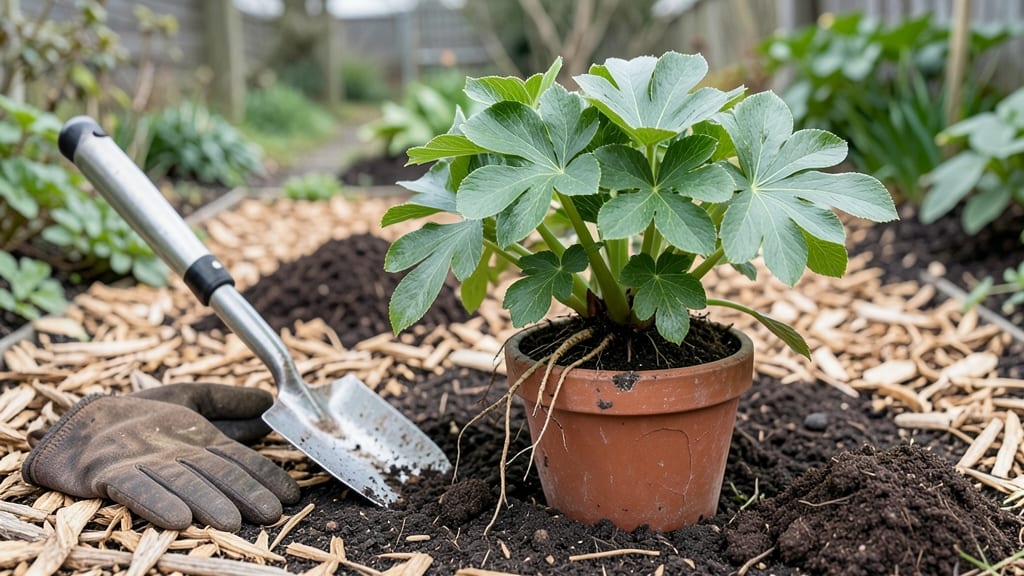
Planting hellebores in Zone 8 at the wrong time could mean the difference between a thriving perennial and one that struggles to take root.
These elegant 🌸 hellebores prefer cool conditions, but whether you should plant them in fall’s mild temperatures or wait for early spring depends on your local climate and preparation.
If you’ve ever wondered why some hellebores bloom beautifully while others fail to establish, timing is the key. In Zone 8, where winters are mild but springs can be unpredictable, knowing when to plant can save you from late frosts or summer heat stress.
Let’s break down the best strategies for your garden.
Fall planting—typically between October and November—gives hellebores time to establish roots before winter, while early spring (February to March) offers a fresh start when soil warms. But which is right for your microclimate? We’ll explore the pros and cons of each approach.
Whether you’re a seasoned gardener or new to hellebores, these insights will help you choose the perfect time to plant for long-lasting blooms and healthy growth. Let’s get started!

Optimal planting windows for hellebores in Zone 8: fall vs. early spring breakdown
Zone 8 gardeners have two prime windows for planting hellebores: fall (October-November) and early spring (February-March). Each offers distinct advantages, but timing depends on your microclimate and soil conditions. Let’s break down the pros, cons, and ideal conditions for each approach.
Fall planting aligns with hellebores’ natural dormancy cycle, allowing roots to establish before winter. In Zone 8, aim to plant 6–8 weeks before your first frost—typically by mid-November. This gives roots time to anchor before cold sets in, reducing transplant shock.
Spring planting, on the other hand, kicks off growth during warmer soil temperatures (above 50°F). In Zone 8, February-March is ideal, but avoid planting too early when soils are still cold and soggy. Early spring planting suits bare-root hellebores or those needing a head start in cooler microclimates.
🌸
| Factor | Fall Planting (Oct-Nov) | Early Spring Planting (Feb-Mar) |
|---|---|---|
| Soil Temp | 50–65°F (ideal for root growth) | 55–70°F (warmer, faster establishment) |
| Frost Risk | Low (plant before first frost) | Moderate (avoid late frosts) |
| Root Establishment | 6–8 weeks before winter dormancy | 4–6 weeks before active growth |
| Best For | Container-grown plants, mild winters | Bare-root hellebores, cooler microclimates |
| Watering Needs | Consistent moisture until frost | Deep watering every 7–10 days |
For Zone 8’s inland areas, fall planting is often safer due to warmer soils and lower frost risk. Coastal gardeners, however, may opt for early spring planting to avoid wet, chilly soils that can stunt root growth.
Always check your local frost dates—Zone 8’s range is broad, and microclimates vary significantly.
If you’re planting in containers, fall is ideal because pots stay warmer longer and roots won’t freeze. For ground planting, early spring can work if you’re in a warmer microclimate (e.g., near the coast) where soils thaw quickly.
Test soil temps with a soil thermometer—aim for 50°F or above for best results.
🌿
One critical mistake is planting too late in fall (after November 15) or too early in spring (before February 15). Late fall plants may not establish roots before frost, while early spring plants risk cold, soggy soils.
Always prioritize well-draining soil—hellebores hate waterlogged roots, which can kill them in Zone 8’s unpredictable winters.
Pro tip: Amend your soil with compost or leaf mold before planting to improve drainage and fertility. Hellebores thrive in humus-rich, slightly acidic soil (pH 6.0–7.0), so a soil test is worth the investment if your garden soil is heavy clay or alkaline.
💧
Optimal planting windows for hellebores in Zone 8: fall vs. early spring breakdown
Zone 8 gardeners have two prime windows to plant hellebores: late fall (October-November) or early spring (February-March). Each offers distinct advantages depending on your local microclimate and soil conditions. Coastal areas with milder winters lean toward fall, while inland regions with unpredictable springs often prefer early spring planting.
For fall planting, aim for 6–8 weeks before your first frost—typically mid-October to early November in most of Zone 8. This gives roots time to establish before winter dormancy.
In contrast, spring planting should occur 4–6 weeks before your last frost date, usually mid-February to early March, to avoid heat stress later in the season.
| Factor | Fall Planting (Oct-Nov) | Early Spring Planting (Feb-Mar) |
|---|---|---|
| Soil Temperature | 50–60°F (ideal for root growth) | 45–55°F (avoids heat stress) |
| Frost Risk | Low (roots establish before dormancy) | Moderate (late frosts possible) |
| Root Establishment | 6–8 weeks before frost | 4–6 weeks before last frost |
| Best For | Coastal/mild winters | Inland/unpredictable springs |
Fall-planted hellebores benefit from cooler soil and reduced competition from weeds. However, they need consistent moisture until roots establish. Spring planting avoids winter stress but requires soil prep in late winter to prevent compaction. Both methods work—choose based on your local frost dates and soil conditions.
If you’re in a coastal Zone 8 area (e.g., Southern California), fall planting is ideal due to mild winters. Inland regions (e.g., Arizona or Texas) may prefer spring planting to escape summer heat.
Always check your last frost date—Zone 8 averages March 15, but microclimates vary by 2–3 weeks.
For container-grown hellebores, timing shifts slightly: plant 2–3 weeks earlier in fall or 1–2 weeks later in spring to account for slower root establishment in pots. Mulch heavily after planting to retain moisture and regulate soil temperature.
Remember, hellebores are forgiving but thrive with proper timing. Whether you choose fall or spring, prioritize well-draining soil and partial shade to set your plants up for success in Zone 8’s climate.