
Plants
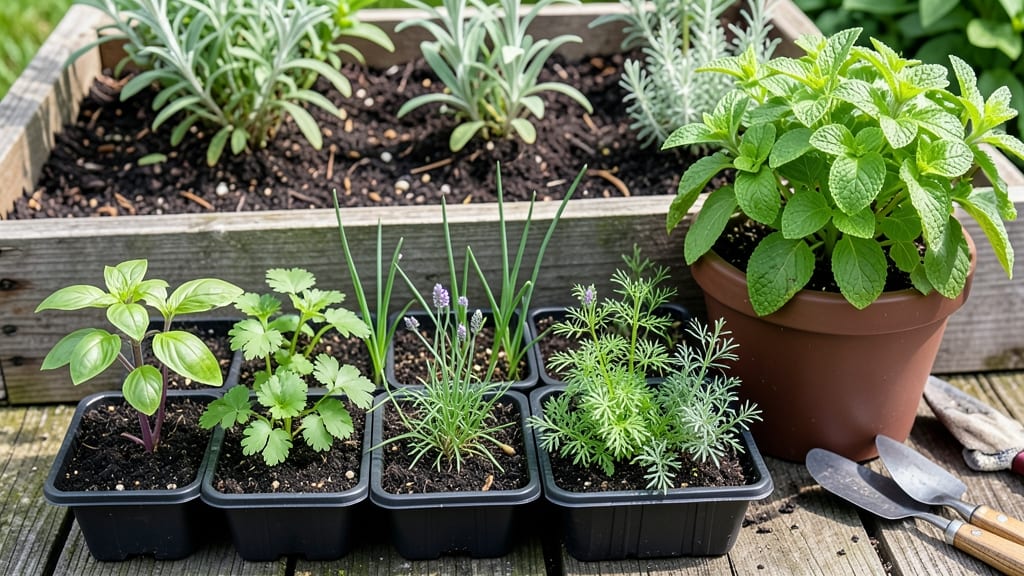
When to plant herbs in Chicago could mean the difference between thriving 🌿 basil and parsley and a sad, frost-bitten disappointment. The key to success? Planting herbs when the soil warms to at least 50°F—typically after that tricky last frost around mid-April.
With Chicago’s USDA Zone 5b-6a climate, you’ve got a narrow window—just 165 frost-free days)—to get your herbs in the ground and harvested before the first frost hits in October. But don’t worry, I’ve got the exact planting schedule to maximize your yields.
Whether you’re starting seeds indoors in February or sowing directly after the last frost, this guide breaks down the best months for each herb—from cold-hardy parsley to heat-loving basil. You’ll learn how to stretch your harvest season and even overwinter perennials like thyme.
Ready to turn your balcony or backyard into a year-round herb haven? Let’s dive into the perfect planting times for Chicago’s unpredictable but rewarding growing season.
Chicago’s herb planting calendar: exact frost dates by month for success
Chicago’s unpredictable frost dates make herb gardening a challenge—but with the right timing, you can enjoy fresh basil, cilantro, and parsley from spring to fall.
The city’s USDA Zone 5b/6a means average last frost dates range from April 15 to May 15, while first frosts hit between October 15 and November 1. Urban microclimates (like near Lake Michigan) can shift these by 1-2 weeks, so always check local forecasts.
For annual herbs like basil and cilantro, aim to plant 2-4 weeks after your last frost date. Perennial herbs such as thyme and oregano, however, can handle cooler temperatures and may even thrive with early spring plantings (as soon as soil is workable).
Understanding these windows ensures your herbs get the longest possible growing season in Chicago’s short 165 frost-free days.
Here’s your month-by-month guide to planting herbs in Chicago, including ideal transplant windows and succession planting tips for continuous harvests:
For container gardening in Chicago, you can push planting dates slightly earlier or later since pots warm up faster.
Place containers near south-facing walls or use heat mats for cold snaps. Basil, for example, thrives in containers and can be moved indoors before the first frost to extend your harvest.
Chicago’s urban heat islands can create microclimates where sidewalk gardens stay warmer than backyard plots. If you’re near pavement or buildings, expect 1-2 weeks earlier last frost dates. Always monitor your specific location using local weather apps or National Weather Service alerts for real-time updates.
Pro tip: Mark your calendar for May 1 as "Herb Planting Day" in Chicago—this gives you a 10-day buffer after the average last frost. For succession planting, sow cilantro every 2 weeks from April through July to avoid bolting (going to seed) in the heat.
Remember, perennial herbs like thyme and oregano are your best friends in Chicago’s climate. Once established, they’ll regrow each spring with minimal care, giving you years of harvests with just light pruning and mulching.
If you’re new to Chicago gardening, start with 3-4 easy herbs like parsley, chives, and basil. These are forgiving of timing mistakes and will give you confidence for future plantings. For advanced gardeners, experiment with unusual herbs like lovage or lemon balm, which thrive in Chicago’s conditions.
🌱
Best herbs to plant in Chicago’s short growing season (ranked by hardiness)
Chicago’s short growing season demands smart herb choices—some thrive in cool spring soil while others bolt in summer heat. I’ve ranked 12 top herbs by their cold tolerance and heat resilience, so you can prioritize what grows best in your USDA Zone 5b/6a garden.
Start with cold-hardy champions like parsley and chives, which survive light frosts and even overwinter with protection. These perennial herbs return year after year, making them low-maintenance workhorses for your garden.
For moderate-risk herbs like dill and sage, time your plantings carefully—direct-sow them 2-3 weeks after last frost (around May 1) to avoid early-season cold snaps. These varieties handle Chicago’s 70-80°F summers but may need row covers in late fall.
Heat-loving picks such as basil and rosemary require full sun and warm soil (at least 60°F). Plant these after Memorial Day (mid-May) when nighttime temps stay above 50°F. Use black plastic mulch to warm soil faster in cool springs.
Pro tip: Use succession planting for annual herbs like cilantro and basil. Sow new batches every 2-3 weeks from May through July to ensure continuous harvests. For example, plant basil on May 15, June 15, and July 15—this staggered approach guarantees fresh leaves even as older plants bolt.
For container gardening, prioritize compact varieties like dwarf lemon thyme or bush basil. These thrive in 5-gallon pots and can be moved indoors before first frost to extend your harvest. Just ensure pots have drainage holes and use lightweight potting mix to prevent root rot.
Remember: Soil prep is key! Amend your garden beds with compost and aged manure before planting to improve drainage—a must for Chicago’s clay-heavy soil. Test your soil’s pH (most herbs prefer 6.0-7.0) and adjust with lime or sulfur as needed.