
Plants
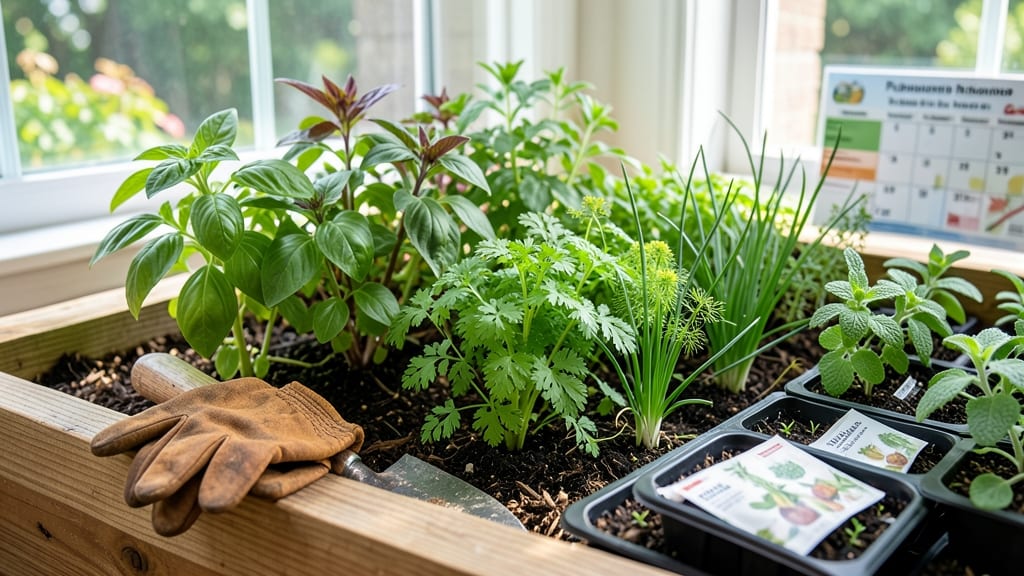
Timing your herb planting just right in Pennsylvania can mean the difference between a thriving garden and one that bolts before you even taste your first harvest.
With USDA zones 5b-7a and microclimates that vary wildly from Pittsburgh’s cool valleys to Philadelphia’s urban heat islands, getting the schedule wrong could leave your 🌿 basil or cilantro struggling.
Most gardeners assume "spring" means one planting window, but Pennsylvania’s climate demands precision. Plant too early, and frost will nip delicate seedlings; too late, and summer heat triggers bolting in heat-sensitive herbs like parsley.
The ideal time hinges on your specific zone and whether you’re growing hardy perennials or tender annuals.
I’ll break down the exact weeks before last frost you should plant each herb—plus how to adjust for your local microclimate. Whether you’re starting seeds indoors in February or direct-sowing in May, these strategies ensure your herbs grow strong from the first harvest to the final frost.
Ready to avoid the common mistakes that waste time and money? Let’s dive into the region-specific planting calendar that keeps your herbs flourishing all season long.
Pennsylvania’s last frost dates by region: exact weeks before planting herbs to avoid bolting
Pennsylvania’s USDA zones 5b-7a create dramatic differences in frost timing—from Pittsburgh’s Zone 6b to Philadelphia’s Zone 7a. Planting herbs too early risks frost damage, while waiting too long triggers bolting in heat-sensitive varieties like cilantro.
My microclimate guide ensures you nail the perfect 4-6 week window before your region’s last frost for zero stress.
Most of Pennsylvania experiences its last spring frost between April 15 and May 15, but mountain regions like the Poconos (Zone 5b) can see frost as late as May 20. Coastal areas near Philadelphia (Zone 7a) often break frost by April 1.
I’ll show you how to calculate your personal planting window based on these averages—and how to adjust for unpredictable weather.
🌱
| Region | USDA Zone | Avg Last Frost | Planting Window | Cold-Hardy Herbs | Tender Herbs |
|---|---|---|---|---|---|
| Pittsburgh | 6b | April 25 | April 5–15 | Chives, Thyme, Sage | Basil, Cilantro, Parsley |
| Philadelphia | 7a | April 1 | March 15–April 1 | Oregano, Rosemary, Mint | Basil, Dill, Chervil |
| State College | 6a | May 5 | April 10–20 | Parsley, Chives, Tarragon | Basil, Cilantro, Lemon Balm |
| Poconos (Mountains) | 5b | May 20 | May 1–10 | Thyme, Sage, Winter Savory | Basil, Parsley, Chives |
For tender herbs like basil and cilantro, I recommend starting seeds 4-6 weeks indoors before your region’s last frost. For example, in Philadelphia (Zone 7a), that means sowing by February 20 for transplanting by March 20.
In Pittsburgh (Zone 6b), wait until March 20 for indoor starts, transplanting by April 25.
Use row covers or a mini greenhouse to extend your season by 2-3 weeks in cooler zones. For instance, in the Poconos (Zone 5b), I’ve successfully grown basil under frost cloth until June 1, avoiding the bolting that occurs when planted too late.
Always monitor soil temperatures—herbs like parsley thrive in 45°F soil, while basil needs at least 60°F.
Fall planting is equally critical. In Philadelphia (Zone 7a), I sow hardy herbs like parsley and chives by August 15 for harvests until first frost (October 15).
In Pittsburgh (Zone 6b), wait until September 1 to avoid early October frosts. Use mulch to insulate roots and protect tender perennials like rosemary through winter.
Pro tip: Check the National Weather Service’s local frost predictions weekly in April. I’ve adjusted my planting dates by 1-2 weeks in years when late frosts hit—like in 2020 when Pittsburgh saw frost on May 10. Always have backup row covers ready for unpredictable cold
Herb-specific planting strategies: which ones thrive in PA’s spring vs. fall planting
Not all herbs play well together—or share the same planting timeline. In Pennsylvania, spring planting is ideal for heat-loving herbs like basil and oregano, while fall planting extends the season for cool-season favorites like parsley and cilantro.
The key? Matching your herb’s temperature preferences to PA’s two main planting windows: 4-6 weeks before the last frost (spring) and 8-10 weeks before the first frost (fall).
For spring planting, start indoors 6-8 weeks before your last frost date (typically mid-March to early April in most of PA).
Herbs like basil, dill, and chives need warm soil—wait until soil temps hit 50°F (use a soil thermometer!) before transplanting. Cold-hardy perennials like thyme and chives can go in as early as March in protected microclimates.