
Plants
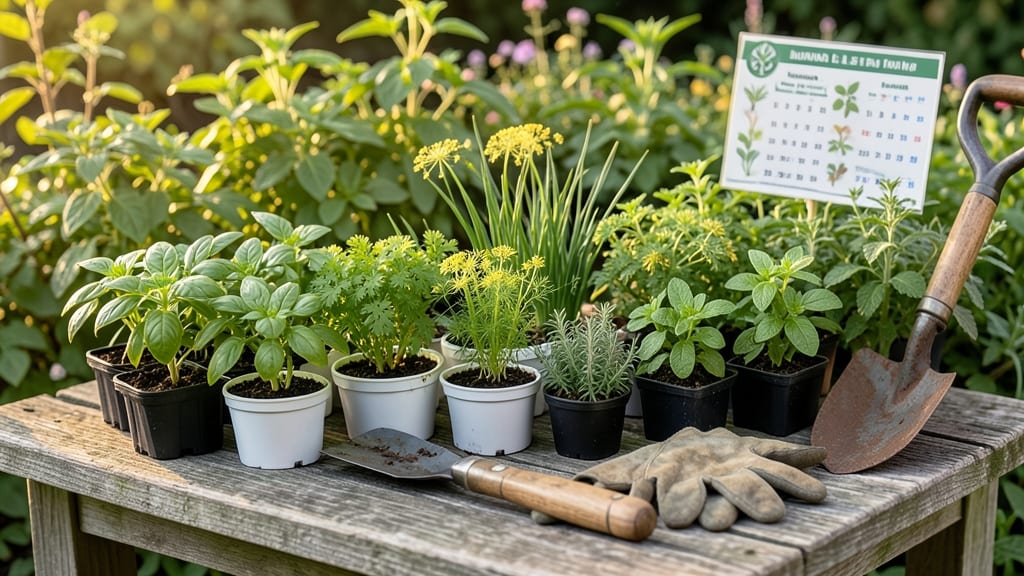
When to plant herbs in Indiana isn’t just about luck—it’s about knowing the exact windows when frost-free skies meet ideal soil temps. Plant too soon, and a late freeze can wipe out your 🌿 basil or parsley before they even take root. But get the timing right, and you'll enjoy fresh herbs from spring to fall, with minimal risk.
Indiana's 5b-6b zones mean your last frost typically arrives between mid-April and early May, while first frosts creep in around mid-October. That gives you a 165-day growing season—plenty of time for multiple harvests if you play your cards right.
The key is starting seeds indoors 4-6 weeks before your last frost date, so tender herbs like cilantro and dill have a head start on warmth.
Don't make the mistake of waiting until Memorial Day to plant—by then, heat-loving herbs like basil may bolt before you get to enjoy them. Instead, aim for early spring transplanting (after April 15) and a second planting in late summer for a fall harvest.
With these precise windows, you'll avoid the most common pitfalls and maximize your garden's potential.
I'll walk you through the zone-specific planting calendar, which herbs thrive in Indiana's climate, and how to extend your harvest season with smart succession planting. Let's turn those frost dates into a gardener's advantage.
Indiana’s frost-free dates by zone: exact planting windows for herbs
Indiana’s USDA hardiness zones 5b-6b create a 165-day growing season for herbs, but timing matters. The average last frost date ranges from April 15 in southern Indiana to May 15 in northern regions.
For annual herbs like basil and cilantro, wait until soil reaches 50°F—usually 2-3 weeks after frost—to avoid stunted growth.
Perennials like thyme and oregano are more forgiving. You can plant them 2-3 weeks before last frost in well-draining soil, as they tolerate cooler temperatures better. First frost typically arrives October 15–November 1, giving you a 4-6 week window for fall plantings of cold-hardy varieties.
Here’s your zone-specific planting calendar for Indiana herbs, with exact deadlines for direct sowing vs. indoor starts:
| Zone | Last Frost | Ideal Planting Window | Herbs to Start Indoors | Herbs for Direct Sow |
|---|---|---|---|---|
| 5b (Northern IN) | May 1–15 | May 20–June 10 | Basil, Cilantro, Dill (4–6 wks before) | Parsley, Chives, Sage (after frost) |
| 6a (Central IN) | April 15–30 | April 30–May 15 | Basil, Oregano (3–4 wks before) | Thyme, Rosemary, Mint (after frost) |
| 6b (Southern IN) | April 1–15 | April 15–May 5 | All annuals (6 wks before) | Coriander, Fennel, Tarragon (after frost) |
| Fall Window | October 15–November 1 | September 1–15 | Cilantro, Parsley (cold-hardy) | Chives, Sage, Winter Tarragon |
For annual herbs, start seeds 4–6 weeks indoors before your zone’s last frost date. Basil, for example, needs warm soil (60°F+), so don’t rush—wait until mid-May in northern Indiana. Perennials like rosemary thrive in well-draining soil and can handle light frosts, making them ideal for early spring or late fall.
Pro tip: Use row covers to extend your spring planting window by 2–3 weeks. This protects tender seedlings like cilantro and dill from late frosts while letting them harden off naturally. Just remove covers when flowers appear to prevent bolting.
Indiana’s first frost signals the end of the outdoor growing season, but don’t despair! Cold-hardy herbs like thyme and sage can survive light frosts and even overwinter with mulch protection.
For a year-round harvest, plan your fall plantings by September 1—this gives herbs 6–8 weeks to establish before winter.
If you’re new to Indiana gardening, test soil temperature with a soil thermometer before planting. Herbs like basil and parsley need at least 50°F soil, while cold-hardy varieties like chives and mint can tolerate 40°F.
Adjust your planting timeline based on these readings to avoid stunted growth or seedling death.
For container gardening, you can push boundaries. Pots warm up faster in spring, so you might plant 2 weeks earlier than in-ground herbs. Just ensure containers have drainage holes and use lightweight potting mix to prevent waterlogging.
Remember: Indiana’s microclimates vary. Urban areas may experience heat islands with earlier last frosts, while rural zones can have later frosts. Keep a local frost date tracker or ask neighbors with established gardens for their personal planting timelines—it’s the best way to fine-tune your schedule.
Now that you’ve got your
Best herbs to plant in Indiana’s spring vs. fall: a seasonal guide
Indiana’s spring and fall seasons offer the best windows for growing herbs, but not all varieties thrive in both. Spring-planted herbs like basil and parsley love warm soil, while fall favorites such as chives and sage handle cooler temperatures better.
Knowing which herbs to plant when can double your harvest—and avoid costly mistakes.
In spring, focus on warm-season herbs that need soil temperatures above 50°F.
These include basil, cilantro, dill, and mint, all of which bolt (flower prematurely) if planted too early. Fall planting, however, lets you grow hardier varieties like thyme, rosemary, and winter cilantro, which survive light frosts and even overwinter with protection.
Here’s the key difference: Spring herbs need full sun and consistent moisture, while fall herbs tolerate partial shade and drier soil. Skipping this seasonal split often leads to stunted growth or failed harvests—especially in Indiana’s unpredictable frost patterns.
Spring Planting
- ✅ Best for: Basil, parsley, dill, cilantro
- ✅ Soil temp: 50°F+ (after last frost)
- ✅ Sun needs: 6+ hours daily
- ✅ Water: Keep soil moist
Fall Planting
- ✅ Best for: Thyme, rosemary, chives, sage
- ✅ Soil temp: 40–50°F (4–6 weeks before frost)
- ✅ Sun needs: 4–6 hours daily
- ✅ Water: Reduce as temps drop
Avoid in Spring
- ❌ Planting heat-lovers (e.g., basil) before May 1
- ❌ Overwatering when soil is still cold
- ❌ Skipping mulch to retain heat
Avoid in Fall
- ❌ Planting tender herbs (e.g., cilantro) too late
- ❌ Ignoring frost warnings—use row covers!
- ❌ Fertilizing late in the season
Indiana gardeners often make three critical mistakes when timing herb plantings: planting heat-loving herbs too early (e.g., basil in April), ignoring soil temperature (cold soil = stunted growth), and skipping fall planting entirely.
The solution? Start warm-season herbs indoors in March and transplant after May 15, while fall herbs can go in as late as September 15 for a second harvest.
For example, basil needs consistent warmth—plant it too early, and it’ll bolt or wilt. But thyme thrives in cooler fall soil and can even survive light frosts.
By matching your herbs to Indiana’s two distinct planting seasons, you’ll enjoy fresh flavors from May through October—or even longer with proper protection.
Pro tip: Use mulch in spring to warm soil faster and row covers in fall to extend harvests. This simple tweak can add 2–4 extra weeks to your growing season—no matter the Indiana weather!