
Plants
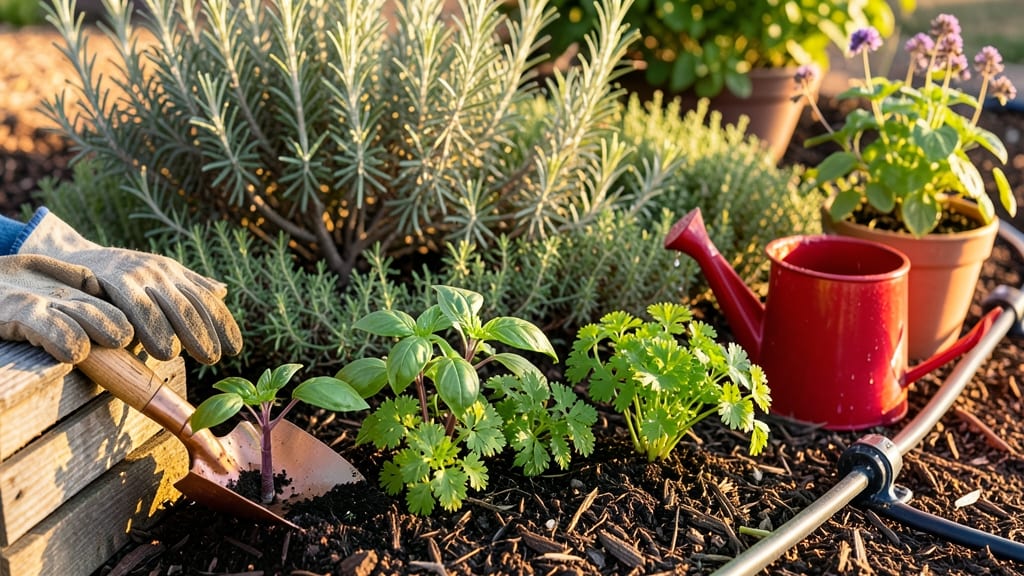
If you’ve ever planted 🌿 herbs in Southern California only to watch them bolt or wilt in the heat, you’re not alone.
The key to a thriving herb garden here isn’t just about timing—it’s about understanding your microclimate, whether you’re near the coast, in inland valleys, or tucked in desert foothills.
With year-round growing possible in zones 9b-11, most gardeners assume they can plant anytime. But that’s where the real challenge lies: heat stress, watering mistakes, and even soil conditions can turn your cilantro bitter or your basil into a flowering disaster.
The solution? Planting at the right time for your specific location—and knowing how to adjust for summer’s intensity.
In this guide, I’ll break down the exact months to sow, transplant, or harvest your favorite herbs (from basil to rosemary) to avoid bolting and keep flavors peak.
Whether you’re a container gardener or digging in the ground, these microclimate-specific tips will help you grow herbs that taste fresh all year.
Ready to stop guessing and start growing? Let’s dive into the perfect planting schedule for Southern California’s diverse climates—so you can enjoy homegrown herbs without the stress.
Southern California herb planting calendar by microclimate: avoid bolting with precision timing
Southern California’s climate varies dramatically from the coastal fog of San Diego to the scorching desert near Palm Springs. These differences mean your basil might thrive in Malibu but bolt in Riverside if planted at the wrong time. Understanding your microclimate is key to a successful herb garden year-round.
Most of Southern California falls within USDA Zones 9b-11, meaning frost is rare but heat stress is a constant challenge. The best time to plant herbs depends on whether you're in a coastal, inland valley, or desert region.
Let’s break down the ideal planting windows for your favorite herbs to prevent bolting and maximize flavor.
🌱 PRO TIP: Use this microclimate guide to adjust planting times by 2-4 weeks depending on your location. For example, coastal areas can plant cilantro in September, while inland areas should wait until October.
For coastal gardeners, focus on cool-season herbs like cilantro and parsley from September to March. These herbs bolt quickly when temperatures rise above 75°F, so timing is critical.
In contrast, rosemary and thyme thrive in inland valleys and can handle the dry heat of summer if planted in early spring or fall.
In desert regions, where summer temperatures often exceed 100°F, only drought-resistant herbs like rosemary, lavender, and oregano should be planted. Even these need morning watering and afternoon shade during peak heat.
If you’re in a desert area and want to grow basil, plant it in containers and move it to a shadier spot during the day.
💡 EXPERT ADVICE: Succession planting is your best friend in Southern California. For example, sow basil seeds every 2 weeks from February to June to ensure a continuous harvest. This works especially well in container gardens, where you can replace bolting plants quickly.
One common mistake is assuming that because Southern California is frost-free, you can plant anytime. However, heat stress is just as damaging. For instance, cilantro will bolt within 2 weeks if daytime temperatures exceed 80°F.
To avoid this, plant heat-tolerant varieties like Calypso cilantro or use shade cloth during the hottest months.
Another key factor is soil temperature. Most herb seeds germinate best when soil temperatures are between 60°F and 75°F. In inland areas, soil can heat up to 90°F+ by midday in summer, making germination nearly impossible. Use row covers or plant in shaded beds to keep soil cool.
Finally, don’t overlook the benefits of container gardening. Pots give you the flexibility to move herbs to the shadiest spot during summer or the sunniest spot in winter. This is especially useful for heat-sensitive herbs like dill and parsley, which can be moved indoors during extreme heat.
By following this microcl
How to extend your herb-growing season in Southern California: cool tricks for year-round harvests
Southern California’s mild winters and scorching summers make year-round herb gardening possible—but only if you adapt your approach. Shade cloth, mulching, and containers can help you grow basil in winter or cilantro in summer without risking bolting or heat stress.
Let’s break down the best tricks to keep your herbs thriving all 12 months.
One of the biggest challenges is heat stress in summer and overwatering in winter. By using seasonal adjustments, you can push your herb garden’s limits.
For example, rosemary and thyme handle summer heat better than basil or parsley, but with the right care, even heat-sensitive herbs can flourish.
Here’s how to extend your herb-growing season using simple, effective strategies:
- Use 30-50% shade cloth in summer to protect leafy herbs like basil from wilting. Install it by late May and remove in September.
- Apply 2-3 inches of mulch in winter to insulate roots and retain moisture for cold-sensitive herbs like cilantro.
- Grow herbs in containers for flexibility—move pots to shade during heatwaves or indoors during rare cold snaps (30°F or lower).
- Practice succession planting: Sow fast-growing herbs like parsley or dill every 4-6 weeks to ensure a continuous harvest.
- Water deeply but infrequently—aim for 1-2 inches per week—and always in the morning to prevent fungal diseases.
For summer gardening, focus on heat-tolerant herbs like rosemary, oregano, and thyme. These thrive in full sun and dry conditions, making them ideal for June through August.
If you’re growing heat-sensitive herbs, opt for partial shade and frequent watering—but avoid soggy soil, which can cause root rot.
In winter months (December-February), reduce watering and protect tender herbs with lightweight row covers if temperatures dip below 40°F. Cilantro and parsley actually prefer cooler weather, so they’ll grow well with minimal intervention.
For container herbs, move them to a sunny indoor spot near a south-facing window if frost threatens (rare but possible in inland areas).
Pro tip: Harvest regularly to encourage bushier growth and prevent bolting. Pinch back flower buds on basil and cilantro to keep them leafy and flavorful. With these tricks, you’ll enjoy fresh herbs year-round—no grocery store substitutions needed!