
Plants
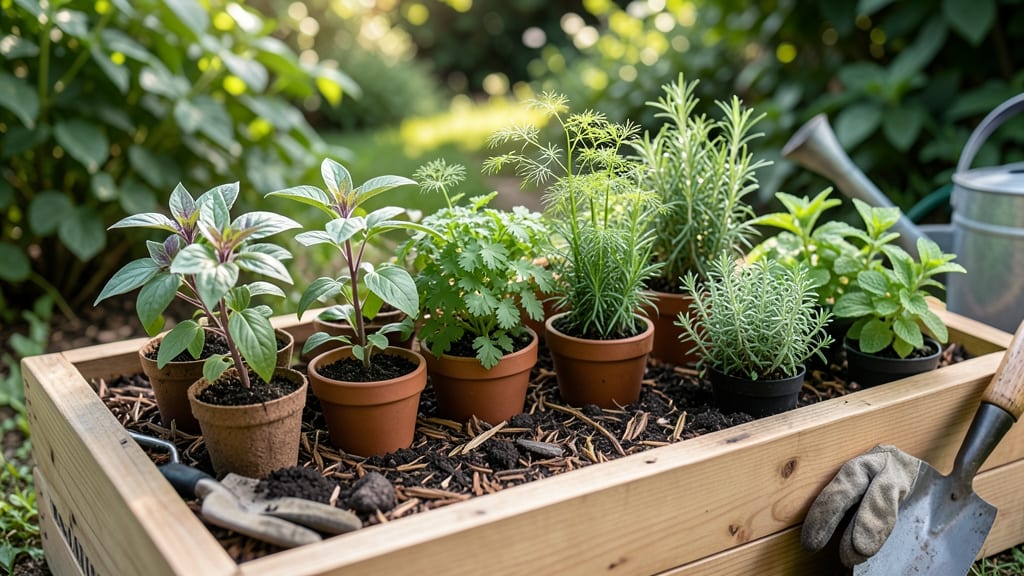
When to plant herbs in Maryland could mean the difference between lush, flavorful 🌿 basil and wilted disappointment—because those last frost dates hit hard if you're not prepared. Whether you're a seasoned gardener or just starting with your first cilantro plants, getting the planting window right ensures your herbs thrive from spring through fall.
Maryland's 7a-7b zones give you two prime chances to plant: early spring (March-April) when soil warms to 50°F, and late summer (August-September) for fall harvests. But here's the catch—planting too early risks frost damage, while waiting too long can stunt growth before Maryland's 165 frost-free days are fully utilized.
I'll break down exactly when to start seeds indoors versus transplanting outdoors, which herbs handle Maryland's heat best, and how to stretch your growing season with simple tricks. No more guessing—just a clear roadmap to healthy, productive herbs year after year.
Let's dive into the frost-free timeline that'll have your kitchen garden bursting with flavor from April to October—and beyond.
Maryland herb planting calendar by hardiness Zone (5a, 6a, 7a)
Maryland spans three USDA hardiness zones: 5a, 6a, and 7a, each with slightly different last frost dates that dictate your herb planting timeline. Understanding your zone ensures you plant basil, cilantro, and thyme at the perfect moment to avoid frost damage while maximizing growth potential.
For Zone 5a (northern Maryland, like Frederick County), the average last frost date is around April 20. In Zone 6a (central areas like Baltimore), expect your last frost by April 10.
Meanwhile, Zone 7a (southern Maryland, including Annapolis) typically sees its last frost by March 25. These dates shift slightly yearly, so always check local forecasts.
Most annual herbs like dill, parsley, and chives should be planted 2-4 weeks after your last frost date.
This gives the soil time to warm to at least 50°F, preventing cold-sensitive herbs from rotting. Perennial herbs like rosemary and sage can handle cooler soil and often thrive when planted in early spring or even late fall.
Here’s how to use this Maryland herb planting calendar for your zone:
If you’re in Zone 5a, wait until late April or early May to plant heat-loving herbs like basil and oregano. These herbs struggle with cool soil temperatures and may rot if planted too early.
For Zone 7a, you can start cilantro and parsley as early as mid-March, but protect them with frost cloth until after April 1.
For fall planting, aim to sow hardy herbs like parsley and chives by mid-August in Zone 5a or early August in Zone 7a. This gives them time to establish roots before the first frost. Basil and cilantro are best planted in late summer (August) for a fall harvest, but avoid planting them too close to frost, as they won’t survive Maryland’s winters.
Maryland’s humid summers can also affect herb growth. Mint and lemongrass thrive in the heat but may bolt prematurely if stressed.
To prevent this, keep soil consistently moist and mulch heavily to retain even moisture levels. Rosemary and thyme, on the other hand, prefer drier conditions and can handle Maryland’s heat with ease once established.
Always monitor soil temperature with a soil thermometer—herbs like basil need soil temps above 60°F to germinate properly. If your soil is still below 50°F in spring, wait another week or two before planting warm-season herbs.
For cool-season herbs like parsley, you can start seeds indoors 6-8 weeks before your last frost date to get a head start.
Don’t forget about succession planting! In Maryland’s short growing season, planting cilantro every 2 weeks from April to September ensures you always have fresh leaves. Similarly, basil can be replanted in late July for a second harvest before frost.
This simple trick extends your herb harvest by 30-50% with minimal extra effort.
🌿
Best herbs to plant in Maryland’s spring vs. fall seasons
Maryland’s spring warmth and fall coolness create two ideal windows for growing herbs, but not all varieties thrive in both seasons. Cilantro, for example, bolts quickly in summer heat, while oregano loves the extended fall sunshine. Understanding these seasonal differences helps you plan for a year-round harvest.
In spring, focus on cool-season herbs like parsley, chives, and dill, which germinate best in 50-60°F soil. These herbs tolerate Maryland’s early frost risks and grow vigorously before summer’s intensity. Meanwhile, warm-season herbs like basil and rosemary should wait until after the last frost date (typically mid-April).
Spring Planting
- ✅ Parsley: Thrives in cool soil, frost-tolerant
- ✅ Chives: Early harvests possible, hardy
- ✅ Dill: Fast-growing, loves moisture
Fall Planting
- ✅ Cilantro: Avoids summer bolting, loves cool nights
- ✅ Oregano: Perennial, thrives in fall’s mild temps
- ✅ Thyme: Drought-tolerant, great for late-season harvests
For fall planting, aim for late August to early September to give herbs time to establish roots before Maryland’s first frost (mid-November). Cilantro and parsley are excellent choices, as they prefer cooler temperatures and won’t bolt like they do in summer. Perennial herbs like rosemary and thyme also benefit from fall planting, as they can overwinter with proper protection.
Use succession planting to extend your harvest. For example, sow basil seeds every 2 weeks in spring to ensure a continuous supply, or plant cilantro in both spring and fall for year-round flavor. This technique prevents gaps in your herb supply and maximizes your garden’s potential.
Watch for bolting signs like premature flowering, which often occurs when herbs experience temperature swings or drought stress. In Maryland’s humid climate, mulching around herb plants helps retain moisture and regulate soil temperature, reducing the risk of bolting during heatwaves.
If you’re unsure about timing, start with container gardening for heat-sensitive herbs like basil. Pots allow you to move plants to shadier spots during peak summer or bring them indoors before frost. This flexibility is perfect for Maryland’s unpredictable weather patterns.
Experiment with microgreens for a quick, year-round harvest. These young herb leaves grow in just 2-3 weeks and can be sown indoors under grow lights or on a sunny windowsill, regardless of the season outside.