
Plants
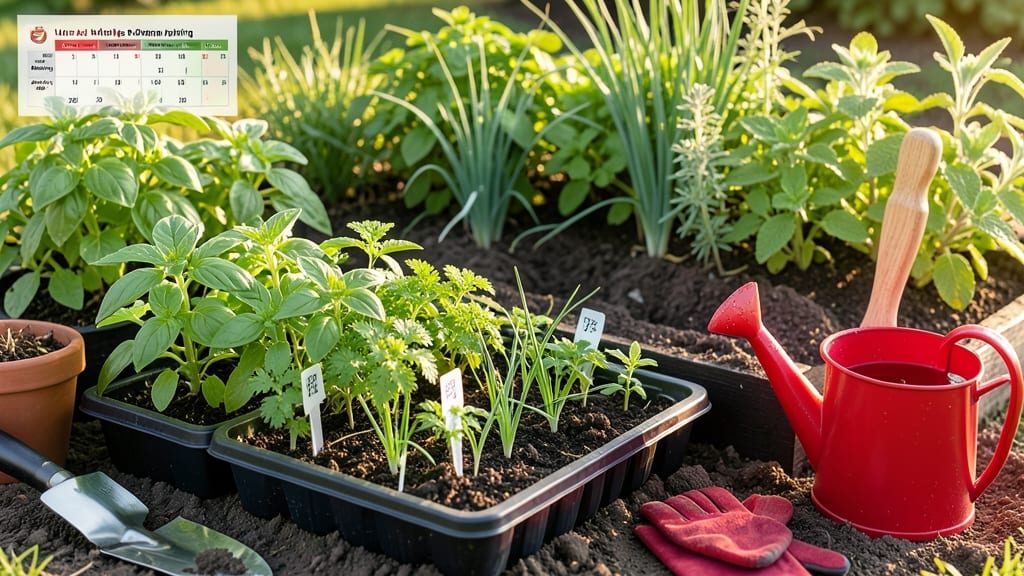
Timing when to plant herbs in Minnesota can make the difference between a thriving 🌿 herb patch and a frost-killed disappointment. The key to success lies in understanding your local frost dates and choosing the right herbs for each planting window.
With Minnesota's 4a-5b climate zones, you've got two main opportunities to plant herbs: early spring and late summer. But getting the timing wrong could mean losing your delicate seedlings to late frosts or missing out on a full harvest before winter sets in.
I'll show you exactly when to plant each herb—from cold-hardy varieties like parsley and chives to heat-loving favorites like basil and cilantro. You'll learn how to work with Minnesota's unpredictable weather and extend your growing season for maximum flavor and yield.
Whether you're a seasoned gardener or just starting your first herb patch, these precise planting guidelines will help you grow fresh, aromatic herbs all season long. Let's get your Minnesota herb garden off to the right start!
Minnesota herb planting calendar: exact dates by hardiness zone 4-5
Minnesota’s USDA Zones 4-5 mean your herb planting timeline hinges on last frost dates that vary by city. Minneapolis typically sees its final frost around May 15, while Duluth’s last frost arrives May 25, and Rochester’s May 10.
Plan ahead—some herbs like basil need warm soil (60°F+) to thrive, while parsley can handle cooler 50°F soil.
For spring planting, start indoor seeds 6-8 weeks before your last frost date. Transplants should go in 2-3 weeks after the last frost. Late summer planting (July-August) works for biennials like parsley and cool-season herbs that need time to establish before winter.
Always check your local MN State Climatology Office for year-to-year variations.
Here’s your herb-by-herb planting timeline, tailored to Minnesota’s climate. Use this as your frost-free planting guide to maximize growth and harvest.
| Herb | Best Planting Window | Transplant vs. Direct Sow | Notes for MN |
|---|---|---|---|
| Basil | After May 20 (soil 60°F+) | Transplant only | Needs warmth; use row covers if frost risk |
| Parsley | April 15-May 10 or July 15-Aug 1 | Direct sow or transplant | Biennial; overwinters in MN |
| Cilantro | April 1-May 15 or July 1-Aug 15 | Direct sow only | Bolts in heat; plant in partial shade |
| Dill | May 1-June 1 or July 15-Aug 10 | Direct sow only | Attracts pollinators; let some flowers set seed |
| Chives | April 1-May 15 or Sept 1-Oct 1 | Transplant or divide clumps | Perennial; spreads aggressively |
| Mint | April 15-May 10 (container recommended) | Transplant or root cuttings | Invasive; grow in pots |
| Oregano | April 1-May 15 | Transplant or divide | Drought-tolerant; thrives in poor soil |
| Thyme | April 1-May 15 | Transplant or divide | Cold-hardy; great for rock gardens |
| Rosemary | May 20-June 10 (container best) | Transplant or cuttings | Needs winter protection; bring indoors |
| Sage | April 15-May 10 |
Cold-hardy vs. tender herbs: how Minnesota’s climate affects your choicesMinnesota’s short growing season and variable frost dates mean not all herbs thrive equally. Cold-hardy varieties like oregano and thyme survive winters, while tender herbs like basil and cilantro need careful timing. Understanding these differences will help you choose the right herbs for your garden and maximize your harvest. Cold-hardy herbs, such as parsley, chives, and mint, can handle Minnesota’s spring frosts and even overwinter with protection. These varieties are perfect for early planting, often as soon as the soil thaws in late April to early May. On the other hand, tender herbs like basil and dill require warmer soil and air temperatures, making them ideal for late May to early June planting. Cold-Hardy vs. Tender HerbsCold-Hardy Herbs✅ Plant Early: Late April–May ✅ Survive Light Frost: Yes (with protection) ✅ Best Varieties: Parsley, Chives, Mint, Oregano, Thyme ✅ Overwintering: Mulch heavily or use row covers Tender Herbs❌ Plant Late: After last frost (late May–June) ❌ Frost Risk: High (kill in 32°F) ✅ Best Varieties: Basil, Cilantro, Dill, Rosemary, Sage ✅ Extend Season: Use cold frames or row covers For tender herbs, consider starting seeds indoors in March to give them a head start. Transplant them outdoors only after the last frost date, which typically falls between May 15 and June 1, depending on your location in Minnesota. Using row covers or cold frames can extend the growing season by 2-4 weeks, allowing you to enjoy basil and cilantro well into September. If you love rosemary or lavender, treat them like tender herbs in Minnesota’s climate. These Mediterranean natives prefer warmer conditions and do best in containers that you can move indoors before the first frost. Overwintering them indoors under grow lights ensures you’ll have fresh herbs year-round. For cold-hardy herbs, focus on varieties like winter savory or wintergreen, which can withstand sub-zero temperatures. These are excellent choices for gardeners who want low-maintenance, long-lasting herbs that come back year after year. Mulch heavily with straw or leaves in fall to protect their roots during winter. Extend your herb garden’s productivity by succession planting. After harvesting early crops of cilantro or dill, replant with fast-growing varieties like bush basil or flat-leaf parsley. This strategy keeps your garden productive from May through September, even in Minnesota’s unpredictable climate. 🌿 |