
Plants
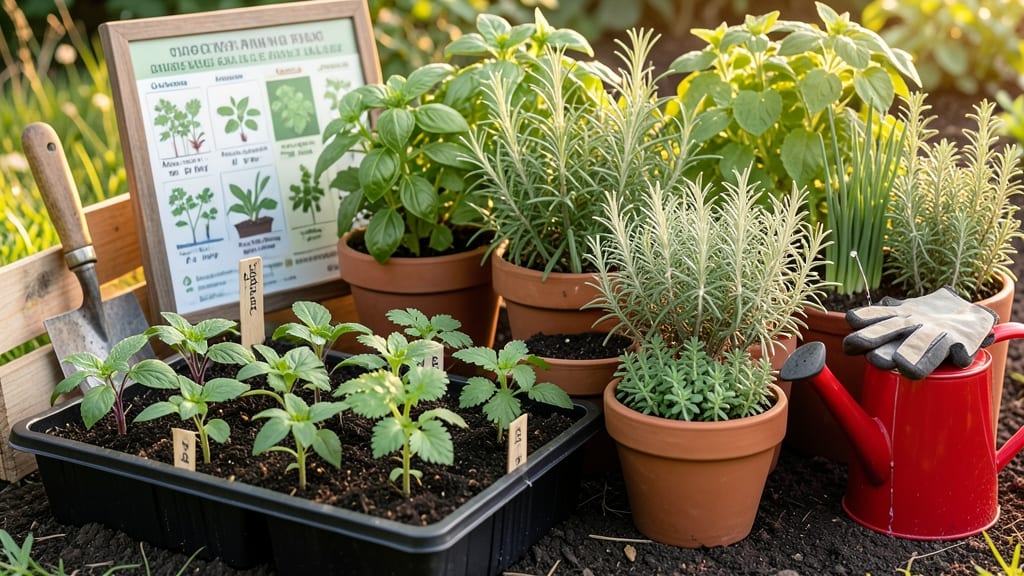
Figuring out when to plant herbs in Oregon can feel like solving a puzzle—too early, and frost zaps your seedlings; too late, and summer heat stresses them out. With USDA zones 7b-9a and microclimates from the Willamette Valley to the High Desert, timing isn’t one-size-fits-all.
But get it right, and you’ll enjoy fresh basil, rosemary, and thyme straight from your garden all season long.
Most Oregon gardeners swear by spring planting between March and May, when soil warms to at least 50°F and the last frost has passed (usually mid-April in Portland, earlier in Medford).
However, hardy herbs like oregano and thyme can even handle a fall start in August or September, giving you a head start on next year’s harvest. The key? Knowing your zone and adjusting for local frost dates.
If you’re in an urban area with limited space, container gardening lets you plant herbs year-round—even in Oregon’s mild winters. Tender varieties like basil thrive in summer, while cold-resistant rosemary and thyme can brave winter’s chill.
I’ll break down the best strategies for your specific zone, so you can avoid common mistakes and keep your 🌿 herbs flourishing from spring to fall.
Ready to turn your herb garden into a year-round success? Let’s dive into the exact planting windows, soil prep tips, and microclimate hacks tailored for Oregon’s diverse growing conditions. Your kitchen—and taste buds—will thank you!
Oregon’s best herb planting months by USDA Zone (5-8)
Oregon’s diverse USDA zones 5-8 create unique planting challenges—coastal areas like Portland (Zone 8a) enjoy milder winters, while Bend (Zone 7b) faces earlier frosts. Knowing your last frost date is critical: Portland’s average is April 15, while Medford’s comes as early as March 15.
For annual herbs like basil, wait until soil warms to 50°F+ after frost risk passes.
In Western Oregon (Zones 5a-8a), most gardeners plant cool-season herbs (parsley, cilantro) in early spring (March-April) and warm-season herbs (basil, oregano) after May 1. Eastern Oregon’s high desert (Zone 7b) allows earlier planting—late February to March—thanks to drier conditions.
Always check microclimates: urban heat islands may let you plant 2 weeks earlier than rural areas.
🌿 PRO TIP: Use Oregon State University’s frost maps to pinpoint your exact zone—even a 10-mile elevation change can shift your planting window by 2+ weeks.
| Zone | Best Planting Window | Key Herbs | Notes |
|---|---|---|---|
| 5a-5b (Coast Range) | April 15–May 15 | Thyme, oregano, chives | Wait for consistent 50°F+ soil temps |
| 6b-7a (Willamette Valley) | March 1–April 15 | Basil, rosemary, parsley | Frost risk until April 15; use row covers for early starts |
| 7b-8a (High Desert) | February 15–March 30 | Sage, lavender, cilantro | Drier climate allows earlier planting; water deeply |
| 8b (Southern Oregon) | January 15–March 1 | All herbs (year-round) | Mild winters; plant basil in containers for winter harvests |
For fall planting (August-September), focus on cold-hardy perennials like rosemary and thyme. These herbs establish roots before winter and rebound faster in spring. Annuals like basil should be sown 8-10 weeks before first frost—in Portland, that’s by August 1.
Urban gardeners in containers or rooftop gardens can plant 2-3 weeks earlier since pots warm faster. Use thermometers to monitor soil temps—basil wilts below 45°F, while oregano thrives in 40°F+. Always amend soil with compost to improve drainage, especially in Oregon’s clay-heavy soils.
If you’re starting seeds indoors, begin 6-8 weeks before last frost. Use grow lights for 14-16 hours/day to prevent leggy seedlings. Harden off transplants 1 week before outdoor planting by gradually exposing them to morning sun and wind.
Oregon’s rainy seasons (November-April) can delay planting—wait until soil is workable (not muddy). In Zone 8a (Southern Oregon), you can even grow basil year-round in containers with greenhouse protection during winter. For most regions, spring planting (March-May) yields the best flavor and yield.
Protect tender herbs like dill and cilantro from bolting (premature flowering) by planting them in partial shade during hot summer months (June-August). In cooler inland areas (Bend, La Grande), these herbs may bolt earlier—opt for shade cloth if needed.
🌱 KEY TAKEAWAY: Oregon’s microclimates mean no single "best month" exists—always verify frost dates and soil temps for your specific location. Start with hardy perennials like rosemary, then add annuals after frost for a continuous harvest.
How to Extend your herb growing season in Oregon’s unpredictable climate
Oregon’s cool, wet winters and variable frost dates can limit your herb garden’s productivity—but with the right strategies, you can enjoy fresh basil and rosemary nearly year-round. The key is understanding which herbs thrive in cold weather and how to protect tender varieties when frost threatens.
Let’s break down how to maximize your harvests beyond the traditional spring-to-fall window.
Start by identifying your herbs’ cold hardiness. Perennials like oregano, thyme, and rosemary can survive Oregon’s winters with minimal protection, while basil, cilantro, and dill will bolt or die in frost. Knowing this helps you plan for succession planting or seasonal swaps to keep your kitchen stocked.
- Use row covers or cold frames
- Plant cold-hardy herbs in winter
- Try container gardening
- Mulch heavily in fall
- Succession plant heat-lovers
For urban gardeners with limited space, container gardening is a game-changer. Use insulated pots and place them near south-facing walls to capture extra warmth. In colder zones like Eastern Oregon (Zone 6b-7a), consider a small greenhouse or cold frame to overwinter herbs like rosemary and sage.
Don’t forget about microclimates—your backyard might be warmer than the official frost date suggests. Observe your garden’s unique conditions: South-facing slopes warm up faster, while low-lying areas stay colder longer. Use these microclimates to your advantage by planting tender herbs in the warmest spots first.
With these strategies, you can enjoy fresh herbs 10-12 months a year, even in Oregon’s unpredictable climate. Start small—try extending one season first—and gradually build your year-round herb garden. Your future self (and your recipes) will thank you!