
Plants
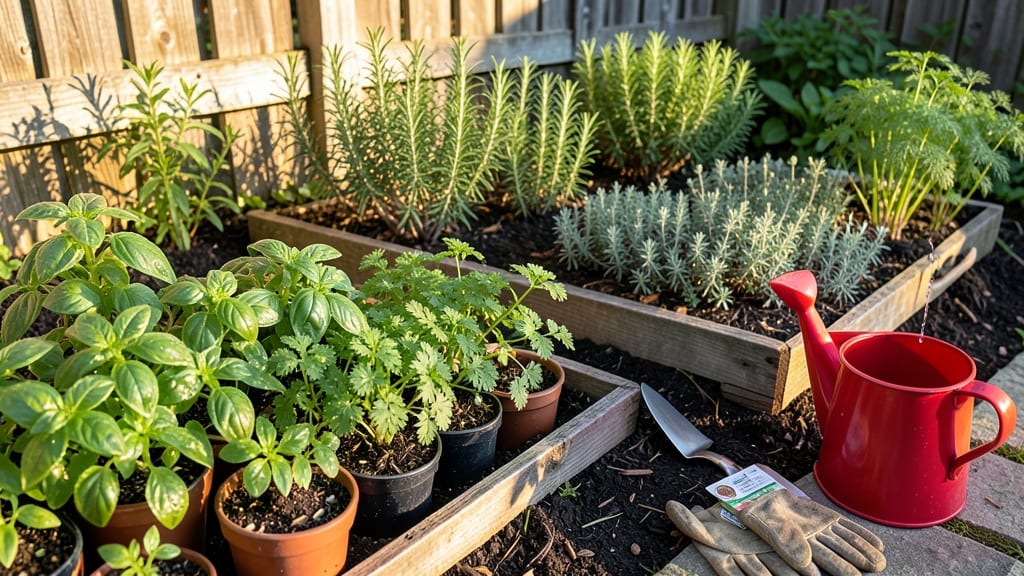
When to plant herbs in Tennessee isn’t just about throwing seeds in the dirt—it’s about beating frost, avoiding wilting heat, and locking in that peak flavor that makes your cooking shine. Whether you're growing basil for summer pesto or hardy parsley for winter soups, planting too early risks a surprise freeze, while waiting too long means missing the sweet spot for growth.
With Tennessee's 6a-7b zones and unpredictable last-frost dates (usually mid-April but not always), knowing the exact window for planting 🌿 herbs can mean the difference between a thriving garden and a sad, wilted disappointment.
I've tested the best strategies for both spring and late-summer starts, so you can avoid common mistakes and get the most from your herb patch.
In this guide, you'll discover the zone-specific deadlines for planting everything from tender basil to frost-resistant rosemary, plus tips for extending your growing season with simple tricks like row covers and succession planting. No more guessing—just proven timing to keep your herbs happy from April through October.
Ready to grow herbs that taste like they came from a chef's garden? Let's dive into the exact planting schedule that works for Tennessee's climate, so you can enjoy fresh basil in July and hardy thyme right through the fall.
Tennessee herb planting deadlines by hardiness Zone (6a, 6b, 7a, 7b)
Tennessee spans USDA Zones 6a-7b, which means your herb planting timeline depends heavily on where you live. In Zone 6a (eastern Tennessee), the last frost typically arrives by April 15th, while Zone 7b (western Tennessee) enjoys a longer season with last frosts around March 20th.
This variance affects which herbs thrive and when you should plant them.
Cold-hardy herbs like parsley and cilantro can handle Tennessee’s early spring chills, but tender varieties such as basil and dill need warmer soil to sprout. Below is your zone-specific planting schedule to avoid frost damage and maximize flavor.
🌱 PRO TIP: Use a soil thermometer to confirm soil temperatures are above 50°F before planting seeds or seedlings. Most herbs won’t germinate in cooler soil.
Herb Planting Deadlines by Tennessee Zone
| Zone | Last Frost | Best Planting Window | Cold-Hardy Herbs | Tender Herbs |
|---|---|---|---|---|
| 6a | April 15 | April 15 - May 15 | Parsley, Cilantro, Chives | Basil, Dill (start indoors) |
| 6b | April 1 | April 1 - May 10 | Parsley, Cilantro, Thyme | Basil, Oregano, Sage |
| 7a | March 20 | March 20 - April 30 | All cold-hardy herbs | Basil, Dill, Rosemary |
| 7b | March 10 | March 10 - April 15 | All cold-hardy herbs | All tender herbs |
🌿 Note: Fall planting is ideal for cold-hardy herbs like parsley and thyme (August-September).
For Zone 6a gardeners, I recommend starting basil and dill indoors in late February to transplant after the last frost. These herbs bolt (flower prematurely) in Tennessee’s heat, so getting a head start ensures a longer harvest season.
In Zone 7b, you can push the envelope further—try planting rosemary and sage as early as February if you use row covers. These Mediterranean herbs love warmth but can handle Tennessee’s mild winters with protection.
Always check your local Almanac’s frost predictions—Tennessee’s microclimates can shift frost dates by weeks. For example, Nashville (Zone 7a) might see frost in early April, while Chattanooga (Zone 7b) could be frost-free by mid-March.
If you’re unsure about your zone, use the USDA Plant Hardiness Zone Map or ask your local extension office for precise data. A 5°F difference in zone can mean the difference between a thriving herb garden and a failed experiment.
For container gardening, which is popular in urban Tennessee areas like Memphis, you can plant herbs 2-4 weeks earlier than in-ground because containers warm up faster. Just ensure your pots have drainage holes to prevent root rot.
🌱 Quick Reminder: Always label your herb plants—basil and cilantro look similar but have completely different care needs!
How to extend your herb growing season in Tennessee’s unpredictable climate
Tennessee’s unpredictable frost dates and sweltering summers can turn your herb garden into a high-stakes game of timing. But with the right strategies, you can protect tender plants and harvest longer.
Whether you’re dealing with a late spring freeze or an early autumn chill, these tactics will help you extend your growing season and keep your herbs thriving.
The key is layered protection. Start with season-extending tools like row covers and cold frames, then add succession planting to keep fresh herbs ready all season. For perennial herbs like thyme and oregano, overwintering strategies can save you from replanting every spring.
Let’s break down the best methods to beat Tennessee’s climate challenges and keep your herb garden productive year-round.
⚠️ Frost Warning!
Tennessee’s last frost dates vary by zone—Zone 6a averages April 15, while Zone 7b can push to May 1. Always check your local frost forecast before planting tender herbs like basil or dill. A single 28°F night can kill them instantly!
🌱 Pro Tip: Use a frost watch app or sign up for local weather alerts to stay ahead.
For early spring planting, use row covers or floating tunnels to create a microclimate that warms soil faster. These lightweight fabrics trap heat during the day and insulate at night, giving your parsley or cilantro a head start.
In late summer, the same covers can shield basil or chives from early autumn frosts. Just Succession planting is another game-changer. Instead of planting all your basil or dill at once, stagger seeds every 2-3 weeks from April through July.
This ensures a continuous harvest and minimizes losses if a late freeze strikes. For container gardeners, this method works especially well—just swap out pots as needed to keep your kitchen stocked with fresh herbs all season.
If you’re growing perennial herbs like thyme, rosemary, or oregano, overwintering them is a smart investment. Mulch heavily with straw or leaves to insulate roots, and consider wrapping containers in burlap or bubble wrap for extra protection.
These herbs often rebound stronger after winter, giving you a head start in spring without replanting.
Lastly, don’t underestimate the power of shade cloth during summer’s peak heat. Tennessee’s humidity and 90°F+ days can stress herbs like cilantro or dill, causing them to bolt prematurely. A 30-50% shade cloth can lower soil temperatures by 10-15°F, keeping your herbs lush and flavorful longer.
Pair this with morning watering to prevent fungal issues, and you’ll have a hardier herb garden that thrives despite Tennessee’s extremes.
With these strategies, you’ll beat the odds and enjoy fresh herbs well into fall—or even overwinter them for an early spring harvest. The secret? Plan ahead, protect strategically, and adapt quickly to Tennessee’s ever-changing weather.
🌱