
Plants
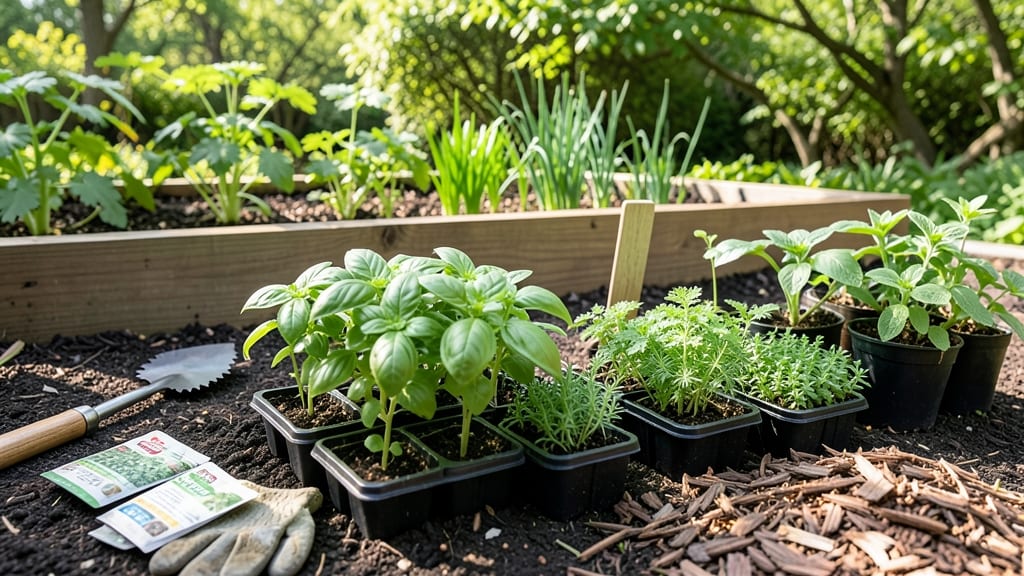
If you’ve ever wondered when to plant herbs in Zone 6—even when you give them plenty of sunlight and water—the answer might be as simple (and crucial) as timing.
Planting your herbs at the wrong moment can leave them vulnerable to frost, stunted growth, or even death, no matter how much care you put into them.
Zone 6 gardeners know the stakes: a last-frost date that arrives in mid-April and an early frost creeping in by mid-October means you’ve got a narrow window to get it right.
But here’s the good news—with the right schedule, you can enjoy fresh basil, parsley, and chives from spring through fall, even in this unpredictable climate.
I’ll break down the exact months to plant each herb, from frost-hardy rosemary to heat-loving basil, so you can avoid common pitfalls like planting too early or missing the best transplant windows.
Whether you’re a seasoned gardener or just starting, these insights will help you grow herbs that taste better and last longer.
Ready to transform your herb garden? Let’s dive into the perfect planting calendar for Zone 6, so you can finally stop guessing and start growing with confidence.

Best planting months for herbs in Zone 6 by variety
Zone 6 gardeners face a delicate balance—planting herbs too early risks frost damage, while waiting too long can stunt growth before summer heat arrives. The key is understanding each herb’s temperature tolerance and frost sensitivity.
Most herbs thrive when soil temperatures hit at least 50°F, typically around mid-April in Zone 6, but exceptions exist for cold-hardy varieties.
Annual herbs like basil and cilantro demand warmth, while perennials like thyme and oregano survive winter. Below, I’ve broken down the ideal planting windows for 12 popular herbs, including when to start seeds indoors and when to transplant outdoors for a bountiful harvest.
Pro Tip: Use row covers or cold frames to extend early spring planting by 2–3 weeks for heat-loving herbs. This trick works wonders for parsley and dill, which tolerate cooler soil.
For heat-sensitive herbs like basil and cilantro, late summer planting (August) can yield a second harvest before frost. However, these herbs bolt quickly in Zone 6’s summer heat—so provide afternoon shade during July’s peak temperatures.
Perennial herbs like thyme and oregano are your low-maintenance champions. Plant them in early spring (March–April) or early fall (September) to establish strong root systems before winter. These hardy plants reward patience with years of harvests and minimal care.
If you’re new to herb gardening, start with cold-hardy varieties like parsley or chives—they’re forgiving and forgive early planting mistakes. For bold flavors, prioritize basil and dill, but time your planting precisely to avoid bitter leaves or poor germination.
Always check your local last frost date—Zone
Best planting months for herbs in Zone 6 by variety
Zone 6 gardeners have a 165-day frost-free window—perfect for growing herbs from early spring to late summer.
The key is timing: plant cold-hardy herbs like parsley and chives 4-6 weeks before your last frost (typically mid-April), while heat-lovers like basil wait until after Memorial Day when soil warms to 50°F+.
Most herbs thrive when sown directly in the garden rather than started indoors. Exceptions include basil and cilantro, which bolt quickly in Zone 6’s heat—start these indoors 6-8 weeks before transplanting in late May.
Perennials like oregano and thyme can be planted anytime soil isn’t frozen, but spring planting gives them the best head start.
🌱 Did You Know?
| Herb | Best Planting Time | Notes |
|---|---|---|
| Basil | Late May–June (after frost) | Heat-loving; avoid cold soil |
| Cilantro | March–April or September | Bolts in heat; plant in spring/fall |
| Parsley | March–April or August | Cold-hardy; slow to germinate |
| Rosemary | April–May (transplant) | Drought-tolerant; needs well-draining soil |
| Thyme | March–April or September | Perennial; thrives in poor soil |
For annual herbs like dill and chives, aim for two planting windows: once in early spring (March–April) and again in late summer (August) for a fall harvest.
Perennials like mint and sage can handle fall planting too, as long as they establish roots before first frost (mid-October).
Pro tip: Use row covers to extend your spring planting window by 2–3 weeks. This protects tender seedlings from late frosts while still allowing sunlight to penetrate. Just remove covers when temps stay above 50°F consistently.
Always check your local last frost date—Zone 6 ranges from 6a (shorter season) to 6b (longer season). Adjust by 1–2 weeks if you’re in a microclimate (e.g., near a lake or city heat island). 🌡️☀️