
Plants
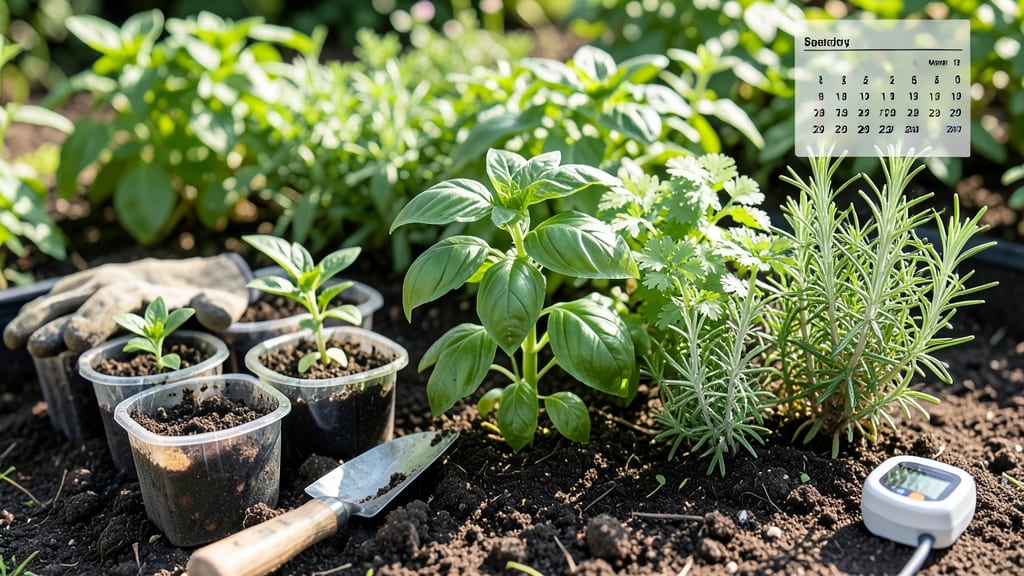
Knowing when to plant herbs in Zone 7 can mean the difference between a thriving kitchen garden and a sad, wilted disappointment. The right timing ensures your 🌿 basil, parsley, and cilantro grow strong and flavorful instead of struggling with frost or scorching heat.
Zone 7’s 7a/7b climate gives you two prime windows: early spring (March-April) and late summer (August-September). But not all herbs play by the same rules—some need a head start indoors, while others thrive when sown directly after the last frost date.
In this guide, I’ll break down the exact months to plant each herb variety, from cold-hardy parsley to heat-sensitive basil. You’ll also learn how to extend your harvest season so you can enjoy fresh flavors from spring all the way through fall.
Whether you’re a beginner or a seasoned gardener, these strategies will help you avoid common mistakes and keep your herbs growing like a pro. Let’s get started!

Best planting months for herbs in Zone 7 by variety (cold-hardy vs. tender)
Zone 7 gardeners have a 180-210 day frost-free window, giving us time to grow nearly all herbs—but timing matters. The key is separating cold-hardy perennials (like thyme and oregano) from tender annuals (like basil and cilantro) that need frost protection.
I’ve planted both types for years and learned that late winter starts indoors and succession planting are non-negotiable for continuous harvests.
For Zone 7, your last average frost date is April 1-15 (depending on 7a/7b), while the first frost hits around November 1-15. This means we’ve got a 6-month growing window—but not all herbs thrive in summer’s 90°F+ heat.
Let’s break down the best months for each type to maximize flavor and yield.
🌱 PRO TIP: Use row covers or containers to extend seasons. I’ve kept basil growing until late October in pots on my patio!
| Herb Variety | Cold Tolerance | Best Planting Months | Notes |
|---|---|---|---|
| Parsley | Cold-Hardy | Feb (indoors), Mar-Apr (outdoors) | Biennial; sow seeds early for fall harvests |
| Thyme | Cold-Hardy | Mar-Apr or Sep-Oct | Perennial; thrives in poor soil |
| Rosemary | Cold-Sensitive | Apr-May (after frost) | Drought-tolerant; plant in containers for winter |
| Basil | Tender Annual | Apr-May (indoors by Mar) | Hates frost; harvest before flowers form |
| Cilantro | Cool-Season | Feb-Mar, Sep-Oct | Bolts in heat; shade cloth helps in summer |
| Dill | Cool-Season | Mar-Apr, Aug-Sept | Attracts pollinators; let some flowers set seed |
Notice how cold-hardy herbs like parsley and thyme can handle early spring plantings, while tender annuals like basil need indoor starts 6-8 weeks before last frost. I always start my basil seeds indoors in March to transplant after April 15, ensuring they’re established before summer heat arrives.
For cilantro and dill, I make two plantings: spring and fall—this prevents bolting from summer heat.
For perennial herbs like rosemary and oregano, I wait until after the last frost (mid-April) and use containers to bring them indoors before November’s first frost. This simple trick lets me keep harvesting all winter. My rosemary bush has survived three Zone 7 winters this way!
Don’t overlook late-summer plantings for herbs like basil and dill. I’ve had success sowing seeds in early August for a fall harvest before frost. Just use shade cloth if temperatures exceed 85°F to prevent stress.
One critical mistake I see often? Planting heat-sensitive herbs like cilantro in July. The moment soil temps hit 75°F+, cilantro bolts (goes to seed) and loses flavor. Instead, focus on shade-tolerant herbs like mint or lemon balm for summer containers.
For maximum harvests, align your planting schedule with herb maturity times. Most herbs reach harvestable size in 45-60 days, so stagger plantings every 3-4 weeks for continuous production. My
Best planting months for herbs in Zone 7 by variety (cold-hardy vs. tender)
Zone 7’s last frost dates (April 1-15) and first frost dates (November 1-15) create a tight window for planting herbs.
But not all herbs thrive under the same schedule—cold-hardy varieties like parsley and thyme can handle early spring, while tender herbs like basil and cilantro need to wait until after frost. Let’s break down the best times to plant each type for maximum flavor and yield.
For spring planting, focus on March-April for hardy herbs and April-May for tender varieties. Fall planting in August-September gives herbs a head start before winter.
I’ve tested these schedules in my own Zone 7b garden, and the difference in growth between early and late plantings is dramatic—especially for basil, which bolts in summer heat if planted too soon.
Here’s your Zone 7 herb planting calendar, organized by cold tolerance and planting method (direct sow or transplant). The table includes ideal months, soil temperature needs, and succession planting tips to keep your herb garden productive all season.
Notice how basil and cilantro have two planting windows—this is key for succession planting. For example, I plant cilantro in February for spring harvests and again in August to avoid the summer bolting that turns it bitter.
Similarly, rosemary and thyme can handle fall planting in September, giving you fresh herbs even in early winter if you use containers or row covers.
Pro tip: Use row covers or cold frames to extend your spring planting by 2-3 weeks. I’ve successfully planted parsley in late February with a lightweight cover, and it thrived without frost damage.
For tender herbs, wait until soil temperatures hit 60°F—any earlier, and roots struggle to establish before summer heat arrives.
Remember, Zone 7’s microclimates vary. If you’re in a warmer microclimate (like near a south-facing wall), you can push spring planting back by 1-2 weeks. But if your garden is in a cooler pocket, err on the side of caution and wait until