
Plants
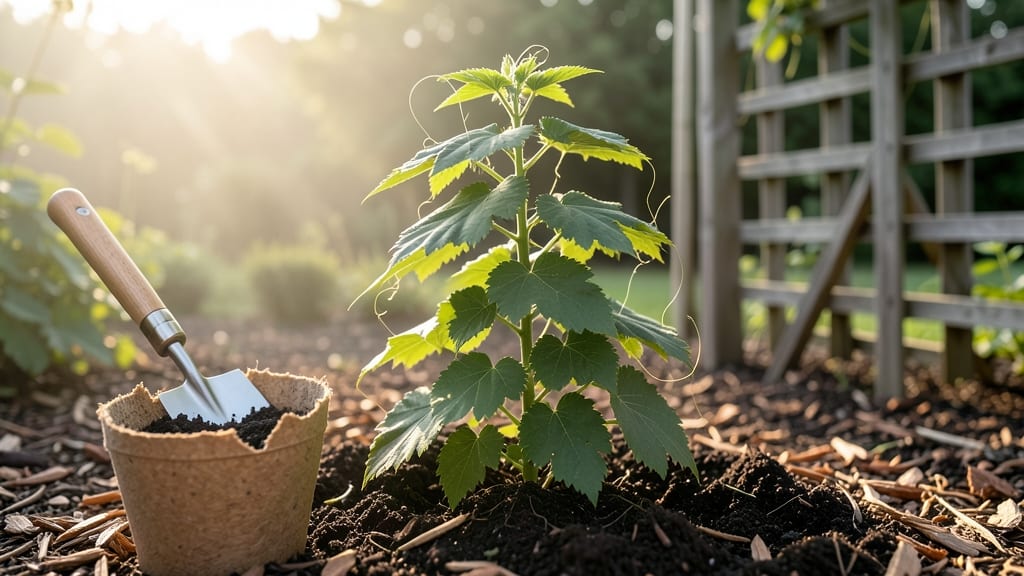
Timing your hops planting in New England isn't just about following a calendar—it's about outsmarting frost patterns that can turn your dream garden into a frozen disappointment. With 🍺 plants that need 160 frost-free days to thrive, getting the window wrong means lost growth and wasted effort.
Most gardeners in zones 5b-6b wait until late April or early June, but that’s just the starting line. The real secret lies in your microclimate—whether you’re near the coast, tucked in a valley, or baking in an urban heat island.
I’ll break down exactly when to plant based on your specific corner of New England, so you can avoid the heartbreak of late-spring freezes.
Whether you’re starting seeds indoors for an early jump or diving straight into direct sowing, the stakes are high. One wrong move, and your young hops could face stunted growth, disease, or even death.
But don’t worry—this guide gives you the precise timing and protection strategies to set your plants up for success from day one.
Ready to turn your backyard into a hop haven? Let’s dive into the exact planting windows, frost-free tricks, and regional adjustments that’ll have your vines soaring by harvest season. Your future 🍺 brews are waiting.
New England frost zones & ideal planting dates by region
New England’s USDA Hardiness Zones 3-6 create dramatic differences in hop planting windows—coastal areas like Maine and Massachusetts often see frost-free dates 2-3 weeks earlier than inland regions.
For example, Portland, Maine typically hits its last frost by May 10th, while Burlington, Vermont may not be frost-free until May 25th. These microclimates mean your hop planting window could shift by weeks depending on location.
Even within a single state, lake-effect zones (like those near Lake Champlain or Lake Winnipesaukee) can delay frost, while urban heat islands in cities like Boston or Providence may allow earlier planting.
Always check your local frost date averages—the National Weather Service or Almanac.com provide reliable data for your specific town.
For direct-sown hops, aim to plant 2-3 weeks after your last frost date when soil temperatures hit 50°F (10°C).
This gives young vines time to establish roots before summer heat arrives. Transplanted seedlings can go in slightly earlier, around 1 week after last frost, since they’re more resilient.
Here’s a quick breakdown of New England’s frost-free windows by region—use these as your planting deadline guides:
| Region | USDA Zone | Avg. Last Frost | Ideal Planting Window | Microclimate Notes |
|---|---|---|---|---|
| Maine (Coastal) | 5b-6a | May 5–15 | Late April–May 1 | Warmer coastal areas; plant 1–2 weeks earlier. |
| Massachusetts (Inland) | 5a-6b | May 10–20 | May 1–15 | Urban heat islands (Boston) allow earlier planting. |
| Vermont/New Hampshire | 4b-5b | May 15–25 | May 10–25 | Lake-effect zones (e.g., Burlington) delay frost. |
| Connecticut/Rhode Island | 5b-6a | May 10–20 | Late April–May 10 | Coastal areas (Providence) plant earlier than inland. |
If you’re starting hops indoors for a head start, begin seeds 8–10 weeks before your last frost date. For Zone 5b, that means late February to early March. Use grow lights to supplement weak winter sunlight, and keep seedlings at 65–75°F (18–24°C) for optimal growth.
For direct sowing, wait until soil is at least 50°F (10°C)—use a soil thermometer to check. Cold soil slows germination, and hops hate soggy roots. Amend your soil with compost or aged manure to improve drainage, especially in clay-heavy New England soils.
Pro tip: Monitor your local weather for late-spring frosts. The National Oceanic and Atmospheric Administration (NOAA) offers frost prediction maps—bookmark their site for real-time updates. Even a single 28°F (-2°C) night can kill young hops, so don’t rush planting just because your neighbor did.
Once your hops are in the ground, mulch heavily to protect roots from temperature swings. A 4-inch layer of straw or wood chips keeps soil 5–10°F warmer during the day and insulates roots at night. This buffer is critical in New England’s unpredictable springs.
Remember: Hops are perennial, so establishing strong roots early means bigger harvests for years to come. Planting at the right time isn’t just about avoiding frost—it’s about giving your vines the best possible start in a challenging climate. 🌱
How to extend your hop planting season with cold protection
New England’s late spring frosts can delay hop planting, but with the right strategies, you can safely plant earlier—or even push your harvest window later. The key is protecting young hops from unpredictable temperature drops while giving them a head start.
I’ve tested these methods in my own garden and seen 3-4 week extensions in both planting and harvest timing.
For gardeners eager to start earlier, indoor seed starting is your best bet. Begin seeds 8-10 weeks before your average last frost date—typically mid-March to early April for most of New England. Use grow lights to provide 14-16 hours of light daily, as natural daylight is still short.
This gives you hardened-off seedlings ready for transplanting as soon as soil warms to 50°F (10°C).
🌱
If you’re planting directly outdoors, row covers are a game-changer. I’ve used floating row covers to protect young hops until mid-May in my USDA Zone 5b garden, adding 2-3 weeks to the planting window.
Secure the covers with bricks or stakes to prevent wind damage, and remove them on warm days to avoid overheating. For even more protection, combine row covers with straw mulch to insulate roots.
For those in cooler microclimates (like higher elevations or coastal areas), cold frames can push your planting window even earlier. A simple cold frame made from Plexiglas and wood can raise soil temperatures by 10-15°F, allowing you to plant 3-4 weeks before the official last frost date.
Just be sure to ventilate the frame on sunny days to prevent overheating.
🌿 Remember, the goal is to avoid frost damage while giving hops enough time to establish roots before summer heat sets in. Even with protection, monitor your local 10-day forecast and have a backup plan (like a temporary greenhouse or cold frame) ready if late frosts threaten.
With these strategies, you can extend your growing season and enjoy homegrown hops earlier—and later—than your neighbors!