
Plants
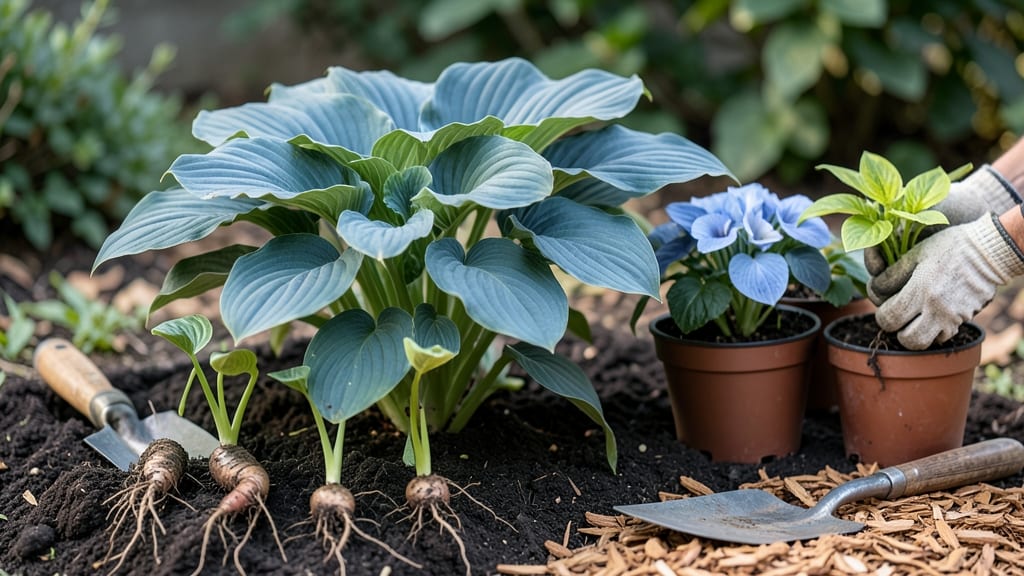
Timing your Hosta planting in Colorado could mean the difference between lush, thriving foliage and a sad, stunted plant struggling to survive. With frost dates that shift dramatically from the Front Range to the mountains, knowing exactly when to get those roots in the ground is everything.
Most Colorado gardeners swear by early spring planting—typically after the last frost around mid-April—but fall is also a smart move if you prefer cooler weather. The key is understanding how your specific USDA zone (5-7) affects soil temperature and moisture, both critical for 🌿 Hosta root establishment.
In this guide, I’ll break down the exact windows for planting by zone, plus how to tell if your soil is truly ready. Whether you’re a first-time gardener or a seasoned pro, these tips will help you avoid common pitfalls and give your hostas the best possible start.
Ready to transform your shady garden spots into a vibrant hosta haven? Let’s dive into the science—and the secrets—behind planting these perennials at the perfect moment.
Colorado hostas planting timeline by hardiness Zone (4-7)
Colorado’s diverse climate—from high-altitude mountains to front-range valleys—means your hosta planting window varies dramatically by USDA zone. In Zone 4 (e.g., Denver suburbs), frost can linger until May 15, while Zone 7 (e.g., Colorado Springs) sees last frosts by April 1.
Timing matters: Plant too early, and roots struggle in cold soil; too late, and summer heat stresses young plants. I’ll break down the ideal frost-free windows for each zone, plus soil temperature cues to ensure your hostas take root without shock.
For spring planting (the preferred method for Colorado), aim for 2-4 weeks after your average last frost date. This gives soil time to warm to 50°F+—critical for root establishment.
In Zone 5 (e.g., Fort Collins), that’s typically mid-April; in Zone 6 (e.g., Boulder), it’s early April. Fall planting is riskier but possible in early September if you’re in Zone 7, giving roots time to anchor before winter.
Always check your local CoCoRaHS frost maps for microclimate adjustments.
Soil temperature is your best planting indicator, not just calendar dates. Use a soil thermometer (or press your finger into the soil—if it’s warm to the touch, it’s ready).
In Colorado’s thin mountain soils (Zone 4), wait until 60°F+; in lower elevations (Zone 6-7), 50°F is sufficient. Pro tip: Mulch with 3-4 inches of straw after planting to retain heat and moisture—this extends your planting window by 1-2 weeks in cooler zones.
Here’s your zone-specific planting timeline, including soil readiness, ideal transplant dates, and frost risk windows to avoid:
| Zone | Avg. Last Frost | Ideal Planting Window | Soil Temp. Ready | Frost Risk After Planting |
|---|---|---|---|---|
| 4 (e.g., Steamboat Springs) | May 15 | Late May–Early June | 60°F+ | High (June frosts common) |
| 5 (e.g., Fort Collins) | May 1 | Mid-April–Early May | 55°F+ | Moderate (late spring frosts) |
| 6 (e.g., Boulder) | April 15 | Early April–Mid-May | 50°F+ | Low (rare after April) |
| 7 (e.g., Colorado Springs) | March 20 | Late March–Early April | 45°F+ | Very Low (safe by April) |
*Adjust for microclimates: North-facing slopes stay colder; south-facing areas warm faster.
If you’re planting in fall, the window shrinks dramatically. In Zone 7, aim for early September—roots need 4-6 weeks to establish before winter. In Zone 5-6, fall planting is not recommended unless you’re using container-grown hostas with established root balls.
For these, plant by mid-September and mulch heavily to insulate roots. Zone 4 gardeners should skip fall planting entirely—hostas won’t survive the harsh winters.
Colorado’s altitude adjustments can shift your planting window by 2-3 weeks. For every 1,000 feet above 5,000 feet, add 5-7 days to your frost dates. For example, in Zone 5 at 7,000 feet (e.g., Estes Park), last frosts average May 10, not May 1.
Use the Colorado State University frost calculator to refine your timing based on your exact elevation.
One common mistake I see in Colorado gardens is planting bare-root hostas too early. These need warmer soil than potted hostas—wait until 60°F+ for bare roots, even in Zone 6-7. Potted hostas, with their
Signs your Colorado soil is ready for hostas (and when to wait)
Colorado’s cooler springs and variable elevations mean your soil may not be ready for hostas even if calendar dates suggest it.
Before planting, check for these three key signs that your soil is primed for hostas: consistent 50°F+ soil temperatures, moist but well-draining texture, and the absence of lingering frost in your microclimate.
Start by testing your soil temperature with a soil thermometer—hostas thrive when roots can establish in warmer soil (at least 50°F). In Zone 4 areas like Grand Junction, wait until mid-April, while Zone 7 gardeners in Denver can plant as early as late March.
Pro tip: Morning sunlight warms soil faster, so plant on sunnier days.
Next, assess moisture levels. Stick your finger 2 inches deep—if the soil feels dry, water thoroughly 24 hours before planting to help roots settle.
Overly soggy soil, common in low-lying areas, can suffocate hosta roots, so amending with compost or perlite improves drainage. Well-draining soil is non-negotiable for Colorado’s spring thaw and summer monsoons.
Hostas planted in cold, wet soil risk root rot or stunted growth. If nights still dip below 40°F, delay planting—even hardy varieties like 'Blue Angel' need stable conditions. Frost pockets in valleys or north-facing slopes can delay readiness by 2-3 weeks.
🌱 Test for frost by placing a plastic cup of water overnight—if it freezes, your soil isn’t ready.
Look for visual cues like wildflowers blooming or dandelions sending up seed stalks, which signal warming soil. In higher elevations (e.g., Boulder or Aspen), these signs may appear 3-4 weeks later than in Denver’s urban heat islands.
If your yard has patchy shade, plant hostas in the shadiest spots first—they’ll establish faster where competition for warmth is minimal.
Prepare your soil 2-3 weeks before planting by adding 2-3 inches of compost and mulching with straw. This mimics Colorado’s natural forest floors, where hostas thrive.
Avoid fresh manure—it can burn delicate roots. For container gardening, use a peat-based potting mix with 20% perlite to replicate well-draining native soils.
If you’re planting in early fall (September), aim for 6-8 weeks before first frost—this gives roots time to anchor before winter.
In Zone 5, that’s typically mid-September, while Zone 7 gardeners can extend to early October. Fall-planted hostas often outperform spring ones because they establish roots in cooler, moister soil.
Remember: Patience pays off. Rushing into planting because your neighbor’s hostas are up can lead to failed transplants. Use these signs as your green light—when soil, temperature, and moisture align, your hostas will reward you with lush foliage all season long. 🌿