
Plants
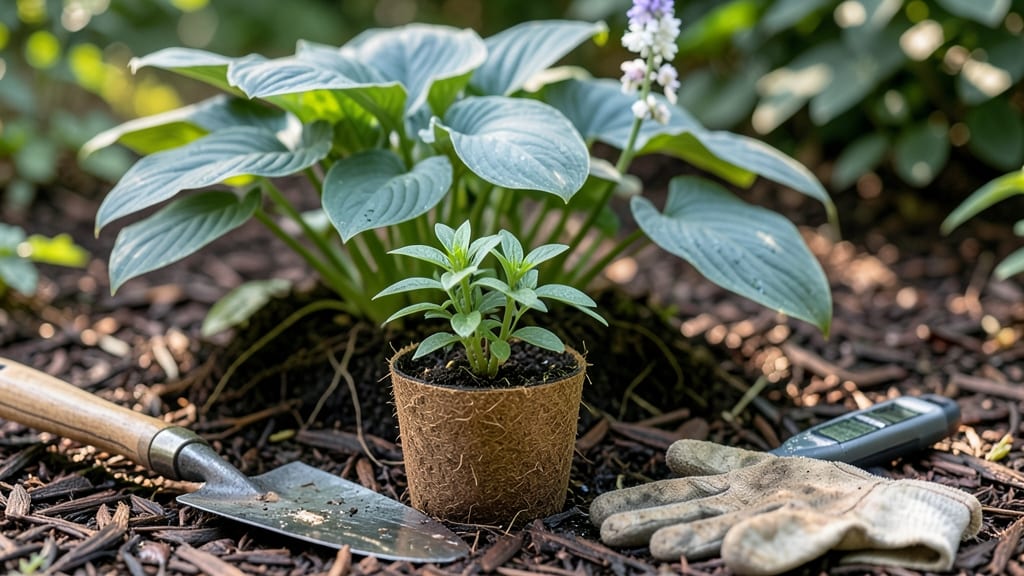
If you're wondering when to plant hostas in Zone 7, timing is the secret to lush, thriving 🌿 foliage that steals the show in your garden.
Unlike some plants that can handle a little flexibility, hostas demand precision—plant them too early, and frost will nip them in the bud; too late, and summer heat can stress their delicate roots before they establish.
Zone 7 gardeners know the struggle: balancing the last frost date (usually around April 15) with soil temperatures that are finally warm enough to encourage root growth. The ideal window? Early spring or early fall, when the ground is workable but not scorching.
This isn’t just about avoiding frost—it’s about giving your hostas the best chance to settle in before the real heat of summer arrives.
But here’s the thing: not all hostas are created equal. Some varieties handle Zone 7’s humidity like champions, while others wilt under the same conditions.
I’ll break down the best months to plant, how to prep your soil for maximum moisture retention, and which hosta types will reward you with zero frost risk blooms year after year.
Ready to transform your shady spots into a hosta paradise? Let’s dive into the exact steps—from soil prep to planting—so you can enjoy those coveted foliage displays without the guesswork.

Optimal hosta planting months in Zone 7: avoiding frost and heat stress
In Zone 7, where last frost dates typically land between mid-April and early May, timing your hosta planting is critical to avoid frost damage or heat stress.
The two best windows are early spring (March-April) and early fall (September-October), when soil temperatures hover between 50-65°F—ideal for root establishment.
Spring planting gives hostas a full growing season before winter, while fall planting allows roots to anchor before dormancy. However, planting too late in fall risks frost-sensitive young plants, and spring planting too early can expose them to late frosts.
Use this Zone 7 frost-free timeline as your guide: Aim to plant hostas 4-6 weeks before your average last frost date. For example, if frost typically ends on April 15, plant by March 15 for spring success.
🌱 Zone 7 Hosta Planting Summary
| Season | Best Months | Soil Temp | Key Consideration |
|---|---|---|---|
| Spring | March-April | 50-65°F | Avoid late frosts; mulch after planting |
| Fall | September-October | 55-65°F | Plant 6+ weeks before first frost |
| Avoid | May-July | N/A | Extreme heat stress; poor root establishment |
Zone 7’s regional variations matter: Northern areas (like Northern Virginia) have later last frosts, while Southern regions (like Tennessee) may experience earlier heat waves. Check your local USDA Plant Hardiness Map for precise dates, or use a frost calculator to estimate your safe window.
For container-grown hostas, you have slightly more flexibility—plant 1-2 weeks earlier in spring or 2 weeks later in fall since pots warm up faster. However, ensure containers have drainage holes to prevent root rot in Zone 7’s humid summers.
If you miss the ideal window, don’t despair! Hostas are hardy perennials that can tolerate transplanting in late summer (August), though they may take longer to establish. Just water deeply and mulch heavily to support recovery.
Pro tip: Test your soil’s moisture retention before planting. Zone 7’s clay-heavy soils can suffocate roots, so amend with compost or organic matter to improve drainage while retaining humidity for those shade-loving leaves.
Remember, hostas thrive in partial shade, so avoid planting in full sun during Zone 7’s hot summers. A morning sun spot with afternoon shade is perfect for maximizing foliage vibrancy without stress.
Optimal hosta planting months in Zone 7: avoiding frost and heat stress
Zone 7’s mild winters and hot summers create a narrow window for planting hostas. The ideal months are early spring (March-April) and early fall (September-October), when soil temperatures hover between 50-65°F—perfect for root establishment without heat stress.
Planting outside this range risks stunted growth or even death from extreme temperatures.
For spring planting, aim for 4-6 weeks before your last frost date (typically mid-April in most of Zone 7). This gives roots time to anchor before summer heat arrives. In fall, plant 6-8 weeks before first frost (around early October) to allow roots to harden before winter.
Your last frost date is critical—check local records or use the USDA Plant Hardiness Zone Map for precise timing. Northern Zone 7 (e.g., Northern Virginia) may have frost until April 20, while Southern Zone 7 (e.g., Middle Tennessee) often sees frost by April 10.
Adjust your schedule accordingly!
| Season | Best Planting Window | Soil Temp (°F) | Risk Level |
|---|---|---|---|
| Spring | March 15 - April 15 | 50-65°F | Low (frost risk passes) |
| Fall | September 1 - October 15 | 55-70°F | Low (roots harden before frost) |
| Late Spring | May 1 - June 1 | 70-85°F | High (heat stress) |
| Late Fall | November 1 - December 1 | Below 50°F | High (frost damage) |
If you miss the ideal window, consider container planting—containers warm up faster in spring and can be moved to shade during summer heat. For in-ground planting, mulch heavily (3-4 inches) after planting to regulate soil temperature and retain moisture.
Avoid planting hostas in late spring (May-June) when Zone 7’s heat peaks. New roots struggle to establish in soil above 75°F, leading to leaf scorch and poor growth. Similarly, planting in late fall (November) risks frost damage before roots settle.
Pro tip: Use a soil thermometer to check temperatures before planting. Aim for 55-65°F—this sweet spot ensures roots grow steadily without stress. With the right timing, your hostas will reward you with lush foliage all season! 🌿