
Plants
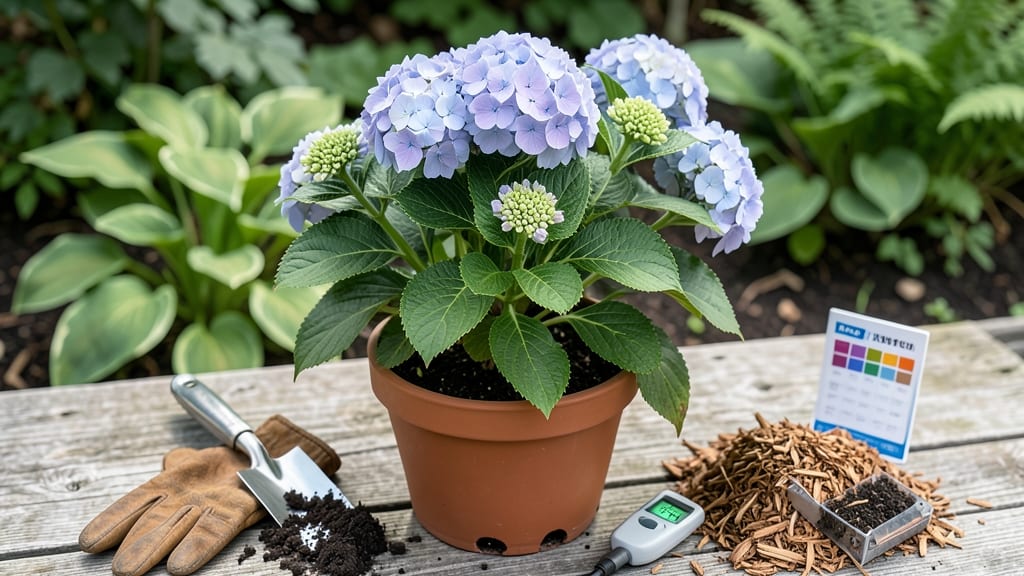
Planting hydrangeas in Canada at the wrong time can leave your 🌸 hydrangea shrubs struggling—or worse, dead before summer even arrives. The key to success lies in understanding your hardiness zone and the last frost date, which can vary dramatically from Vancouver to Halifax.
In my experience, the late spring to early summer window is your best bet for most of Canada, but timing shifts depending on whether you're in frost-prone Zone 3 or milder Zone 8. Container-grown hydrangeas offer more flexibility, while bare-root plants demand precision to avoid transplant shock.
What you'll discover here is how to match your planting schedule with your local climate—plus pro tips to protect your investment from early frosts or scorching summer sun. Let’s get those roots settled just in time for a show-stopping summer display.
Whether you're a first-time gardener or a seasoned green thumb, these zone-specific deadlines will help you avoid common mistakes and give your hydrangeas the best possible start. Ready to transform your garden?
Best planting times for hydrangeas by Canada’s hardiness zones (3-8)
Canada’s diverse climate means your hydrangea planting window varies wildly from Zone 3 to Zone 8. In colder regions like Zone 3a, you’ll plant bare-root hydrangeas in late May—after the last frost—while Zone 8b gardeners can start as early as March for container-grown plants.
The key? Soil temperature must stay above 10°C (50°F) for root establishment.
For most Canadians, late spring (May-June) is the safest bet, but early fall (September) works too—just finish 6 weeks before first frost.
In Zone 4-5, aim for May 15 to June 15; in Zone 6-7, you’ve got until June 30. Zone 8 is flexible, but avoid July planting—summer heat stresses young roots.
Here’s the critical rule: Bare-root hydrangeas must go in spring (they wake too early for fall). Container-grown plants, however, adapt better to fall planting—just water deeply before winter sets in. Pro tip: Check your local frost dates via Agriculture Canada’s Plant Hardiness Map—it’s your planting deadline calculator.
🌱
| Zone | Best Spring Planting Window | Fall Planting Deadline | Soil Temp Requirement | Key Risk |
|---|---|---|---|---|
| 3a-4a | Late May–June 15 | None (too cold) | 10°C (50°F)+ | Late frost damage |
| 4b-5a | May 15–June 1 | September 1–15 | 12°C (54°F)+ | Drought stress |
| 5b-6a | April 15–June 15 | September 15–30 | 10°C (50°F)+ | Heat shock |
| 6b-7a | March 15–June 30 | October 1–15 | 8°C (46°F)+ | Overwatering |
| 7b-8b | February 15–July 1 | November 1 | 5°C (41°F)+ | Pests (slugs) |
In Zone 3-4, where winters are brutal, spring planting is non-negotiable. Bare-root hydrangeas need 6-8 weeks to establish roots before winter—so don’t wait until July.
For container-grown plants, fall is ideal because established roots handle winter better. Zone 5-6 gardeners have the most flexibility: plant in spring or early fall, but avoid mid-summer when heat stresses roots.
If you’re in Zone 7-8, fall planting is your best bet—hydrangeas get a head start on root growth before spring’s heat arrives. Pro move: Mulch heavily in Zone 8 to protect roots from winter dieback.
And remember: Urban areas (like Toronto or Vancouver) can be 5-10°F warmer than rural zones—adjust your timeline accordingly.
For container-grown hydrangeas, the rules relax slightly. You can plant year-round except winter, but spring or fall still gives the best results. Key trick: Soak the root ball before planting to reduce transplant shock.
In Zone 4-5, I’ve had success planting container hydrangeas in August—just water them
How variety affects your planting timeline: Oakleaf vs. Bigleaf vs. Panicle
Not all hydrangeas thrive on the same schedule—Oakleaf, Bigleaf, and Panicle varieties each have unique cold hardiness and bloom cycles that dictate your planting window.
For example, Oakleaf hydrangeas (like 'Snow Queen') can handle Zone 4 winters and often bloom on old wood, meaning they set buds in the previous year. This makes fall planting a safer bet in colder regions.
Meanwhile, Bigleaf hydrangeas (such as 'Endless Summer') are rebloomers, producing flowers on both old and new wood.
They’re best planted in spring or early fall in Zones 5-9, but avoid late fall—you risk frost damage before roots establish. Panicle hydrangeas (like 'Limelight') are the hardiest, tolerating Zone 3 and blooming on new wood, so they can be planted earlier in spring without sacrificing blooms.
Here’s how to match your variety to your climate and planting timeline:
| Variety | Cold Hardiness (Zone) | Best Planting Window | Bloom Cycle | Pro Tip |
|---|---|---|---|---|
| Oakleaf | 3-8 | Fall (Zone 4+) or Spring | Old wood | Plant in fall for Zone 5+ to establish roots before winter. |
| Bigleaf | 5-9 | Spring or Early Fall | Old & new wood | Avoid late fall in Zone 5—roots need 6 weeks to establish. |
| Panicle | 3-8 | Early Spring (Zone 3) or Fall | New wood | Plant early spring in Zone 3—soil warms faster than in southern zones. |
If you’re in Zone 3 or 4, prioritize Panicle or Oakleaf varieties—they’ll survive winter’s harshest freezes. For Zones 6-8, Bigleaf hydrangeas like 'Nikko Blue' thrive when planted in late spring (May-June), giving roots time to adjust before summer heat.
Just remember: Reblooming varieties (like 'Endless Summer') need consistent moisture to produce their second flush of blooms.
For container-grown hydrangeas, the rules shift slightly. You can plant them year-round in mild zones (6+)—even in late summer—as long as soil temps stay above 10°C (50°F).
But in Zone 4 or colder, stick to spring planting to avoid winter kill. Pro tip: Water deeply after transplanting, regardless of variety, to reduce shock.
One final trick: Prune at the right time. Oakleaf and Bigleaf hydrangeas should be pruned right after blooming (late summer), while Panicle types can be trimmed in late winter or early spring. This timing ensures you don’t accidentally remove next year’s flower buds.