
Plants
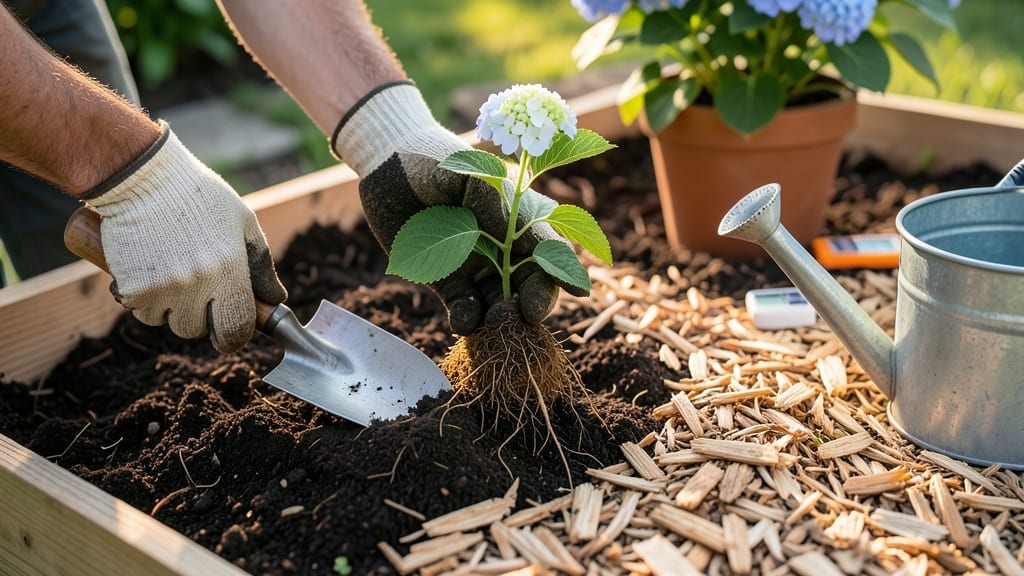
Timing is everything when it comes to planting hydrangeas in Indiana—get it wrong, and you might end up with stunted growth or even lost plants.
The right window for planting these stunning 🌸 hydrangeas in Zones 5b-6b isn’t just about the calendar; it’s about avoiding late frosts and giving roots the best chance to establish before summer heat sets in.
Most gardeners in Indiana swear by two key planting seasons: early spring, just as the soil warms, or fall, when temperatures start to cool. But with Indiana’s unpredictable weather, knowing the exact monthly thresholds can make all the difference between thriving blooms and struggling shrubs.
In this guide, I’ll break down the optimal planting months, soil prep tips, and how to adjust for Indiana’s microclimates—whether you’re in northern or southern parts of the state. You’ll learn how to time your planting for strong root growth and vibrant flowers year after year.
Ready to transform your garden? Let’s dive into the perfect planting schedule for hydrangeas that will wow your neighbors and keep coming back stronger every season.
Best planting windows for hydrangeas in Indiana (Zone 5-6)
Timing is everything when planting hydrangeas in Indiana, where Zone 5-6 winters and unpredictable spring frosts can derail your plans. The ideal planting window spans two seasons: spring (April-May) and fall (September-October). Each offers unique advantages for root establishment and summer growth.
Spring planting gives hydrangeas a full growing season to establish roots before winter, while fall planting allows roots to settle without competing with summer heat. For Indiana gardeners, April 15 (after last frost) and September 15 (before first frost) mark the safest planting dates in most regions.
Northern Indiana (Zone 5b) faces cooler microclimates with later last frosts (often May 1), while southern Indiana (Zone 6b) can plant as early as April 1. Always check your local USDA frost map or use the Indiana State Climate Office for precise timing.
🌱 Hydrangea Planting Windows in Indiana
| Season | Best Month | Soil Temp | Frost Risk | Root Growth |
|---|---|---|---|---|
| Spring | April-May | 50°F+ | Low (after April 15) | Fast (6-8 weeks) |
| Fall | September-October | 60°F+ | Low (before Oct 15) | Moderate (4-6 weeks) |
| Microclimate Adjustments | N/A | Northern IN: Delay 1-2 weeks | Southern IN: Plant 1 week earlier | |
✅ Pro Tip: Use mulch (3-4 inches) after planting to regulate soil temperature and retain moisture.
For container-grown hydrangeas, you can plant 1-2 weeks earlier than bare-root varieties, as their roots are already established. However, avoid planting in extreme heat (above 85°F) or freezing conditions, which stress young plants.
Indiana’s humidity and clay soils create unique challenges. After planting, monitor for wilting leaves (sign of overwatering) or yellowing foliage (sign of poor drainage). Amend planting holes with compost or peat moss to improve drainage and moisture retention.
If you miss the ideal window, bare-root hydrangeas can tolerate late spring planting (up to June) with proper care, but expect smaller blooms the first year. For fall planting, aim to finish by October 1 to allow roots to establish before winter dormancy.
Northern Indiana gardeners should prioritize fall planting to avoid late spring frosts, while southern Indiana gardeners can successfully plant in early spring. Always harden off container-grown plants by exposing them to outdoor conditions for 3-5 days before planting.
Protect newly planted hydrangeas from deer and rabbits using wire mesh cages or repellent sprays, especially in rural Indiana areas. These pests often target young, tender shoots in spring.
Remember: Hydrangeas thrive with patience. While they may not bloom heavily the first year, proper planting timing and soil preparation set the stage for vibrant flowers in years to come.
With Indiana’s 165 frost-free days, your hydrangeas will have plenty of time to establish and reward you with stunning summer displays.
Best planting windows for hydrangeas in Indiana (Zone 5-6)
Indiana’s Zone 5-6 climate creates a unique challenge for hydrangea planting—late spring frosts can delay growth, while summer heat demands quick root establishment. The ideal planting window is a narrow but critical period that balances soil warmth and frost risk.
For most Indiana gardeners, late April to early May is the safest time to plant hydrangeas, after the average last frost date (around April 15). This gives roots 6-8 weeks to establish before summer heat arrives.
Fall planting is also viable from mid-September to early October, allowing roots to settle before winter dormancy.
Northern Indiana (Zone 5b) may need to wait until early May due to cooler soils, while southern Indiana (Zone 6b) can plant as early as mid-April. Always check your local frost-free date—delay planting if nighttime temps dip below 50°F (10°C).
| Planting Window | Soil Temperature | Frost Risk | Indiana-Specific Tip |
|---|---|---|---|
| Spring (April-May) | 50-60°F (10-15°C) | Low after April 15 | Water deeply after planting to combat dry spring winds. |
| Fall (Sept-Oct) | 55-65°F (13-18°C) | None after Sept 15 | Add 2-3 inches of mulch to protect roots from freeze-thaw cycles. |
If you miss the spring window, don’t panic—hydrangeas are perennial plants that can handle transplanting into fall. Just avoid planting in late October or November, as roots won’t have time to establish before winter.
For container-grown hydrangeas, you can plant up to two weeks later than in-ground plants, as their roots are less stressed.
Pro tip: Test your soil temperature with a soil thermometer (available at garden centers). Hydrangeas thrive when soil stays above 55°F (13°C) for consistent growth. In Indiana’s clay-heavy soils, this often means waiting until mid-May in northern regions.
Remember, root establishment is key—hydrangeas planted in ideal windows will reward you with larger blooms next year and better cold hardiness. Whether you choose spring or fall, prioritize well-draining soil and partial shade to set your hydrangeas up for Indiana’s humid summers.