
Plants
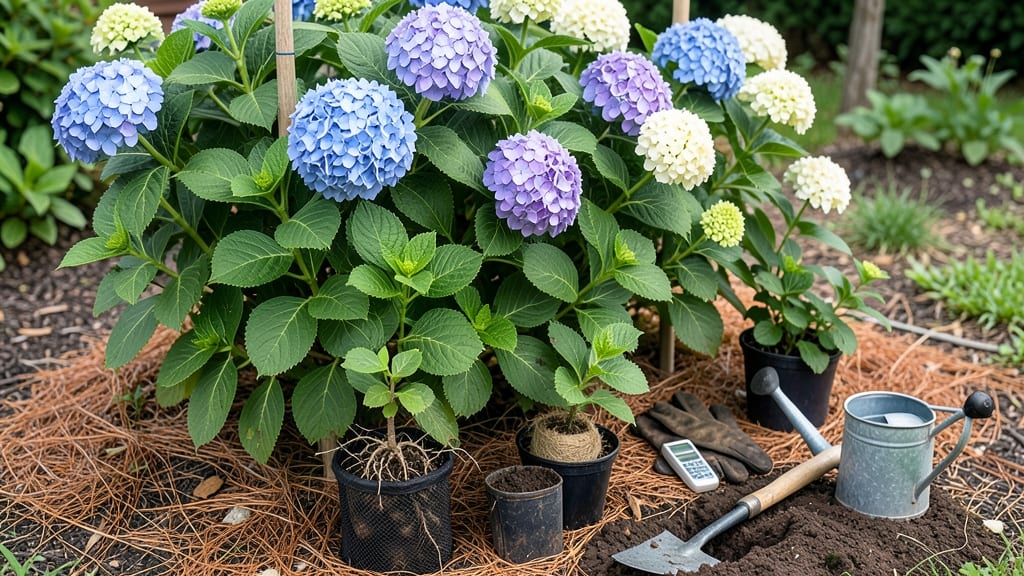
Timing your hydrangea planting in Ohio isn’t just about the calendar—it’s about beating the last frost and giving your 🌸 roots the perfect head start. With Ohio’s 6a-6b climate, planting too early risks frost damage, while waiting too long can stunt those lush blooms you’re dreaming of.
Most gardeners in Ohio swear by spring planting between April and May, but the exact window depends on your microclimate. Urban areas might warm up faster than rural spots, so knowing your local frost dates is the key to success.
I’ll show you how to pinpoint the ideal moment for your hydrangeas, whether you’re in Columbus, Cincinnati, or Cleveland.
Beyond the dates, soil temperature and moisture play a huge role—hydrangeas hate soggy roots but need consistent water to thrive. We’ll cover how to prep your soil and spot the perfect signs it’s ready for planting. Trust me, getting this right means bigger blooms and fewer headaches down the road.
Ready to transform your yard into a hydrangea paradise? Let’s dive into the exact steps that’ll have your 🌸 shrubs flourishing all season long—no guesswork required.
Ohio hydrangea planting timeline by frost Zone (with exact dates)
Ohio’s USDA zones 5a-6b create a tricky balance for hydrangeas—too early, and a late frost will damage tender roots; too late, and your blooms may struggle to establish before winter. The key is planting when soil temperatures hit 50°F+ and last frost dates have passed.
For Ohio, this typically means mid-April to early May, but your exact timing depends on your microclimate and hydrangea variety.
Most Ohio gardeners focus on spring planting (April-May), but fall planting (September-October) works too—just ensure roots establish before first frost (usually mid-October). Bigleaf and oakleaf hydrangeas thrive in Ohio’s climate, while panicle hydrangeas tolerate slightly colder zones.
Let’s break down the exact planting windows for Ohio’s major cities and frost zones.
| Zone | Last Frost Date | Spring Planting Window | Fall Planting Window | Soil Temp Threshold |
|---|---|---|---|---|
| 5a (Northern OH: Toledo, Youngstown) | May 10–15 | May 1–15 | September 15–October 1 | 50°F+ |
| 5b (Columbus, Cleveland) | April 20–May 5 | April 25–May 10 | September 10–20 | 50°F+ |
| 6a (Cincinnati, Dayton) | April 10–20 | April 15–May 5 | September 5–15 | 50°F+ |
| 6b (Southern OH: Lexington) | April 1–10 | April 1–May 1 | August 25–September 5 | 50°F+ |
🌡️ Pro Tip: Use a soil thermometer to confirm readiness—roots need consistent 50°F+ for 10+ days.
For Columbus gardeners (Zone 5b-6a), aim for late April to early May—this aligns with the city’s average last frost date of April 25. In Cincinnati (Zone 6a), you can push planting to early April if your soil warms quickly, but wait until April 15 to be safe.
Meanwhile, Toledo’s Zone 5a gardeners should hold off until mid-May to avoid frost damage.
If you’re planting in containers, you have more flexibility—just move pots indoors or to a sheltered spot if frost threatens. Panicle hydrangeas (like ‘Limelight’) are the hardiest and can handle Zone 5a, while bigleaf hydrangeas (like ‘Endless Summer’) prefer Zone 6a+.
Always check your hydrangea’s USDA zone rating before planting.
Ohio’s fall planting is ideal for bare-root hydrangeas—plant in September-October, water deeply, and mulch to insulate roots. This gives plants time to establish before winter. Just avoid planting after October 1 in northern Ohio, as roots won’t have enough time to harden off.
One critical mistake Ohio gardeners make? Planting too close to foundation walls or sidewalks, where soil stays colder and drier. Instead, choose a spot with well-draining soil and partial shade—morning sun and afternoon shade work best. Amend clay-heavy Ohio soil with compost or peat moss to improve drainage.
To track frost dates, use the Old Farmer’s Almanac or your local Cooperative Extension office. In 2023, Columbus saw frost as late as May 10, so don’t rush—wait for 3 consecutive days above 50°F before planting. Patience now means bigger blooms later!
Signs your Ohio soil is ready for hydrangeas (beyond the calendar)
Ohio’s clay-heavy soils can be tricky—waiting for the calendar isn’t enough. Your hydrangeas need soil temperatures above 50°F and the right moisture balance to thrive. Check these 3 key indicators before planting: soil warmth, moisture levels, and drainage.
Skipping these steps often leads to stunted growth or root rot, especially in Ohio’s humid summers.
Start by testing your soil’s temperature with a DIY soil thermometer. Insert it 4-6 inches deep—this is where hydrangea roots will establish. If the reading stays below 50°F for more than 24 hours, wait a few more days.
Cold soil slows root growth, making young plants vulnerable to frost damage. Pro tip: Morning soil temps are usually cooler, so test in the afternoon for accuracy.
Next, assess moisture by grabbing a handful of soil. It should hold together but not be soggy. Ohio’s clay soils retain water well but can become compacted. If your soil feels dry or crumbles easily, water it thoroughly 2-3 days before planting.
Overly wet soil suffocates roots, while dry soil makes hydrangeas struggle to hydrate during Ohio’s hot summers.
🌱 Key Takeaways for Ohio Soil Readiness
Ohio’s clay soils often need amendments: Mix in 2-3 inches of compost or sand to improve drainage before planting. Avoid heavy fertilizers—they can burn tender roots.
Don’t overlook drainage tests—this is where Ohio gardeners often fail. Dig a small hole where you plan to plant and fill it with water. If it drains within 2-4 hours, your soil is ready.
If water pools for longer, amend the area with organic matter like peat moss or perlite. Hydrangeas hate soggy roots, and Ohio’s flat landscapes can lead to poor drainage in low spots.
Finally, check your soil’s pH—hydrangeas crave acidic conditions (5.5-6.2). Ohio’s native soils often lean alkaline, which can cause bluish flowers to turn pink (common with mophead hydrangeas).
Grab a $10 soil test kit from your local garden center and adjust with sulfur or pine needles if needed. This small step ensures vibrant blooms all season.
Once your soil passes these tests, your hydrangeas will establish roots faster and bounce back from Ohio’s unpredictable spring frosts. Remember: The best time to plant isn’t just about the date—it’s about giving your shrubs the perfect foundation to thrive in your local microclimate. 🌿