
Plants
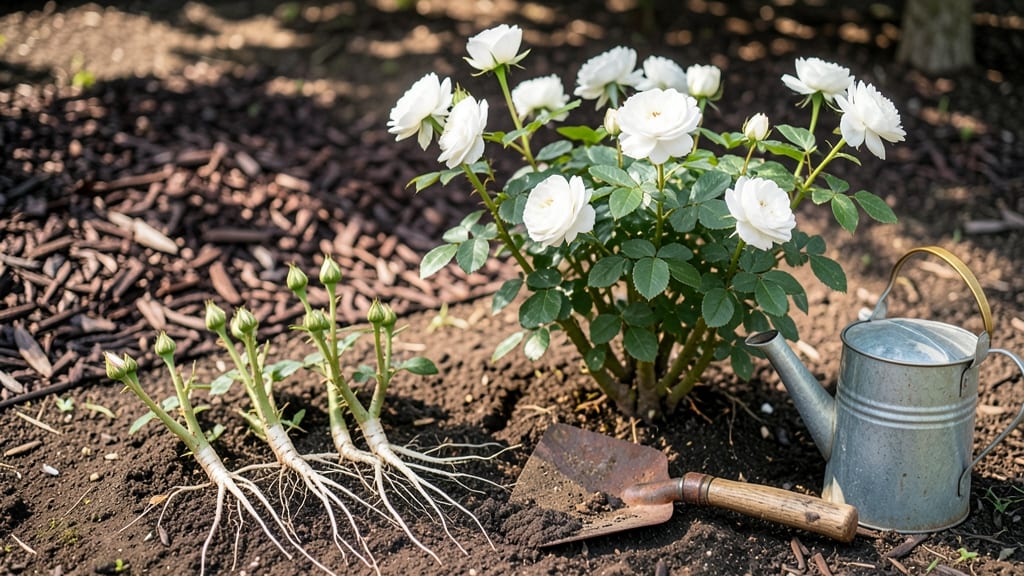
Planting your Iceberg Roses 🌹 at the wrong time in South Africa could mean fewer blooms or even plant loss—especially with our varied climates. When to plant Iceberg roses in South Africa depends on whether you're in a frost-free coastal zone or an inland area with milder winters.
The best window for planting these stunning shrubs is August-September (spring) for most of South Africa's 9b-10a zones, giving roots time to establish before summer heat arrives. But if you're in a subtropical region, early autumn planting in March works too—just avoid planting when temperatures are still dropping.
I'll break down exactly when to plant based on your specific microclimate, from coastal humidity to inland heat. You'll learn how to time it perfectly for maximum blooms while avoiding common mistakes that ruin Iceberg Roses in South African gardens.
Let's get your Iceberg Rose 🌹 off to the best possible start with these region-specific planting tips that actually work in our climate.
Best months to plant iceberg roses in South Africa’s frost-free zones
South Africa’s diverse climates mean iceberg roses thrive in different planting windows depending on your region. The ideal months are August and September for most frost-free zones, but coastal areas can extend planting into October.
Understanding your local microclimate is key—inland areas with cooler winters may need earlier planting to avoid late frost risks.
The soil temperature must reach at least 15°C (59°F) for roots to establish properly. In subtropical regions like KwaZulu-Natal, you can plant as late as March during early autumn, taking advantage of milder temperatures. Always check your last frost date—even in frost-free zones, unexpected cold snaps can occur.
Here’s a quick guide to planting timing by region:
| Region | Best Planting Months | Soil Temp Requirement | Key Consideration |
|---|---|---|---|
| Coastal (Cape Town, Durban) | August–October | 15–20°C (59–68°F) | Humidity-friendly; watch for fungal risks |
| Inland (Johannesburg, Pretoria) | August–September | 15–18°C (59–64°F) | Frost risk in winter; mulch heavily |
| Subtropical (KwaZulu-Natal) | March–April | 18–22°C (64–72°F) | Warm winters; extend blooming season |
If you’re in a marginal frost zone (e.g., parts of the Free State or Highveld), plant bare-root roses in July to give roots time to establish before winter.
Container-grown roses can handle slightly later planting but require protection from cold winds. Always choose a sunny, sheltered spot to maximize growth.
Another critical factor is rainfall patterns. In summer-rainfall areas (e.g., Western Cape), avoid planting during peak winter rains (June–July) to prevent waterlogged soil. Instead, opt for spring planting when rains ease and temperatures rise.
In winter-rainfall regions (e.g., Eastern Cape), early autumn planting aligns with natural moisture cycles.
For container planting, you have more flexibility—just ensure your pots have drainage holes and use a lightweight potting mix. Container roses can be planted anytime the soil is workable, but August–September still offers the best balance of warm soil and cooler air for stress-free establishment.
Pro tip: Soak bare-root roses in water for 1–2 hours before planting to revive roots. This is especially important in dry inland areas where soil moisture can be low. After planting, apply a 2-inch layer of mulch to retain moisture and regulate soil temperature.
One common mistake is assuming all iceberg roses thrive equally across South Africa. While they’re frost-tolerant, prolonged cold below 0°C (32°F) can damage buds. In high-altitude gardens (e.g., Drakensberg), opt for hardier varieties or provide frost cloth protection during winter.
Finally, remember that pruning timing affects planting success. If you prune heavily in late winter, delay planting until new growth appears (usually August). This ensures your rose has energy to focus on root establishment rather than regrowing foliage.
Best months to plant iceberg roses in South Africa’s frost-free zones
South Africa’s diverse climates mean iceberg roses thrive in different planting windows depending on your region. Unlike frost-prone areas, most of South Africa offers year-round planting opportunities, but spring and early autumn are ideal for strong root establishment.
Coastal areas like Cape Town and Durban have longer growing seasons, while inland regions like Pretoria benefit from cooler autumn starts.
For maximum blooms, aim to plant when soil temperatures stay above 15°C (59°F). This typically aligns with August–September in most frost-free zones, giving roots time to settle before summer heat.
However, subtropical regions (e.g., KwaZulu-Natal) can plant as late as March without frost risks, though blooms may be delayed.
| Region | Best Planting Months | Soil Temp Requirement | Key Consideration |
|---|---|---|---|
| Coastal (e.g., Cape Town, Durban) | August–September | 15–20°C (59–68°F) | Humidity-friendly; watch for fungal risks |
| Inland (e.g., Johannesburg, Pretoria) | July–August | 12–18°C (54–64°F) | Cooler nights; mulch to retain warmth |
| Subtropical (e.g., KwaZulu-Natal) | March–April | 18–22°C (64–72°F) | Longer growing season; shade cloth for summer |
In coastal regions, August–September planting ensures roses establish roots before summer rains. Use well-draining soil to prevent waterlogging, which can cause root rot. For inland areas, planting in July–August avoids late-spring heat stress. Always check your local frost dates—even frost-free zones can have unexpected cold snaps.
If you’re in a subtropical climate, March–April planting takes advantage of warm soils and consistent rainfall. However, protect young plants from intense afternoon sun with shade cloth until they’re established.
Container-grown iceberg roses can be planted anytime, but spring still offers the best balance of growth and blooming.
Pro tip: Test your soil’s pH (6.0–7.0 ideal) before planting. Amend with compost or lime if needed, and mulch with organic matter to retain moisture and regulate soil temperature. This prep work makes all the difference in frost-free zones where soil can dry out quickly.
Remember, timing isn’t everything—soil prep and aftercare matter just as much. With the right planting window and local adjustments, your iceberg roses will reward you with vibrant blooms year-round. 🌹