
Plants
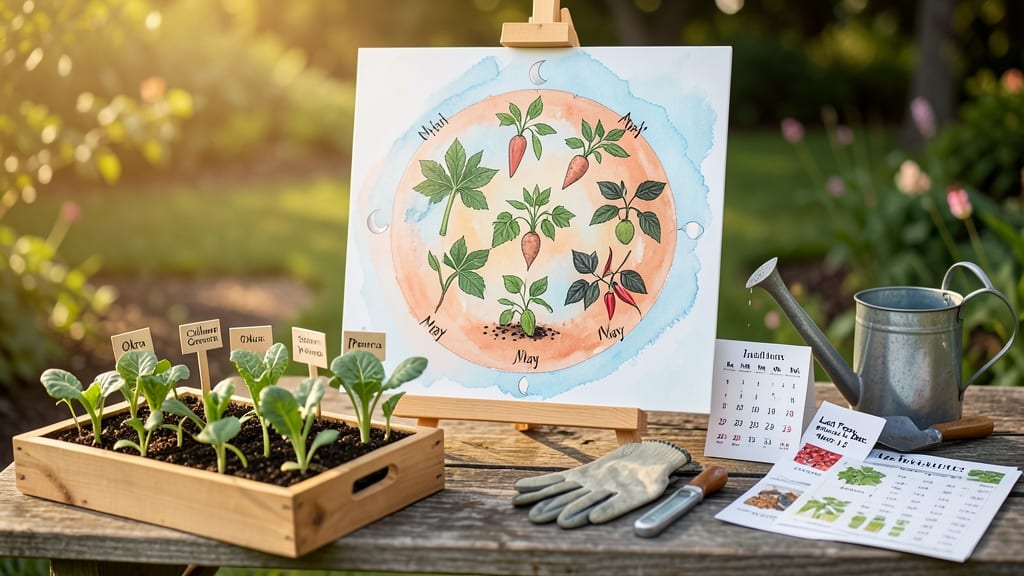
Figuring out when to plant in Louisiana can feel like solving a puzzle—too early, and frost might still lurk; too late, and the summer heat will fry your plants before they even sprout.
But here’s the good news: Louisiana’s 240-280 frost-free days mean you can grow almost year-round with the right timing.
This isn’t just about avoiding frost dates (though those matter!). It’s about syncing your garden with Louisiana’s unique climate—where sweet potatoes love the heat, azaleas bloom in spring, and okra thrives when temps soar.
Whether you’re a first-time gardener or a seasoned pro, getting the timing right means the difference between a bountiful harvest and a sad, wilted disappointment.
I’ll break down the exact months to plant everything from cool-season greens to heat-loving peppers, plus how to adjust for Louisiana’s humidity and soil quirks. No more guessing—just a clear, foolproof plan to make your garden flourish.
Ready to turn your backyard into a thriving oasis? Let’s dive into the heat-zone calendar that’ll have your plants growing strong all season long.
Louisiana planting calendar by heat Zone: month-by-month guide
Louisiana’s USDA heat zones 8a-9b mean you can grow almost year-round, but timing is everything. The average last frost date is March 15 in most regions, while the first frost typically arrives around November 15.
This gives you 240-280 frost-free days—plenty of time for multiple harvests if you plan smartly.
Your heat zone affects when to plant. Northern Louisiana (Zone 8a) has slightly cooler winters, while southern areas (Zone 9a) stay warm longer. For example, okra can be direct-sown in April in Zone 9a but waits until May in Zone 8a.
Even small differences in timing can mean the difference between a bumper crop and a sad, wilted plant.
Here’s your month-by-month guide to planting in Louisiana, broken down by cool-season crops (like lettuce and broccoli) and warm-season crops (like tomatoes and peppers). We’ve included critical deadlines so you don’t miss the window for fall planting.
| Month | Cool-Season Crops (Plant) | Warm-Season Crops (Plant) | Key Tasks |
|---|---|---|---|
| January | Broccoli, cabbage, onions, peas | — | Soil test; amend with compost |
| February | Carrots, lettuce, spinach, turnips | Tomato/pepper starts indoors | Plant garlic; mulch beds |
| March | Beets, kale, radishes, Swiss chard | Transplant tomatoes, peppers (after last frost) | Direct-sow okra in Zone 9a |
| April | — (Too warm for cool crops) | Direct-sow beans, corn, cucumbers, squash | Mulch to retain moisture |
| May | — | Direct-sow okra, sweet potatoes, peanuts | Fertilize warm-season crops |
| June-August | — (Focus on summer harvests) | Succession plant beans, cucumbers | Watch for pests; water deeply |
| September | Broccoli, cabbage, collards, lettuce | Plant heat-tolerant tomatoes, peppers | Last chance for fall planting |
| October | Carrots, onions, spinach, turnips | — | Harvest warm-season crops |
| November | Garlic, peas, winter radishes | — | Prepare beds for spring |
Notice how September is your last chance for fall planting. If you miss this window, your cool-season crops like broccoli and lettuce won’t have enough time to mature before frost. For warm-season crops, focus on succession planting in June and July to keep your kitchen stocked with fresh produce.
One of my
Best crops to plant in Louisiana by season: what thrives when
Louisiana’s climate lets you grow almost anything year-round, but timing is everything. Cool-season crops like lettuce and broccoli love spring’s mild temps, while heat-loving plants such as okra and sweet potatoes shine in summer’s humidity. Even winter isn’t wasted—hardy greens like collards thrive when most gardens sleep.
To maximize your harvest, align planting with Louisiana’s three distinct seasons: Spring (March–May), Summer (June–August), and Fall (September–November). Winter (December–February) is for cold-tolerant crops only. The key? Know your last frost date—typically March 15—and adjust for your USDA zone (8a, 8b, or 9a).
- Spring (March–May): Plant cool-season veggies (lettuce, peas) and warm-season starters (tomato seedlings) after last frost.
- Summer (June–August): Direct-sow okra, peppers, and sweet potatoes—they thrive in heat and humidity.
- Fall (September–November): Replant broccoli, carrots, and spinach for a second harvest before first frost.
- Winter (December–February): Grow collards, onions, and kale—they love cool temps and even frost.
For Louisiana-specific varieties, prioritize heat-tolerant types like ‘Creole’ tomatoes or ‘Clemson Spineless’ okra. These breeds handle our 90°F+ summers better than standard varieties. Pair crops wisely too—basil and tomatoes grow well together, while corn and beans benefit from each other’s nutrients.
Don’t overlook perennials and flowers! Plant azaleas and camellias in fall for spring blooms, and marigolds year-round to deter pests naturally. Louisiana’s humidity means mulching is non-negotiable—it keeps roots cool and retains moisture for heat-sensitive crops like cucumbers.
Pro tip: Use row covers in early spring or late fall to extend growing seasons. They protect young plants from unpredictable cold snaps (even in Zone 9a) while letting sunlight through.
For container gardening, stick to fast-growing crops like bush beans or herbs—they handle the heat better in pots.
By matching crops to seasons, you’ll avoid bolting lettuce in summer or stunted tomatoes in fall. Louisiana’s climate rewards those who plant smart—not just often. Start with these seasonal guides, and your garden will thank you with bountiful, year-round harvests! 🌿