
Plants
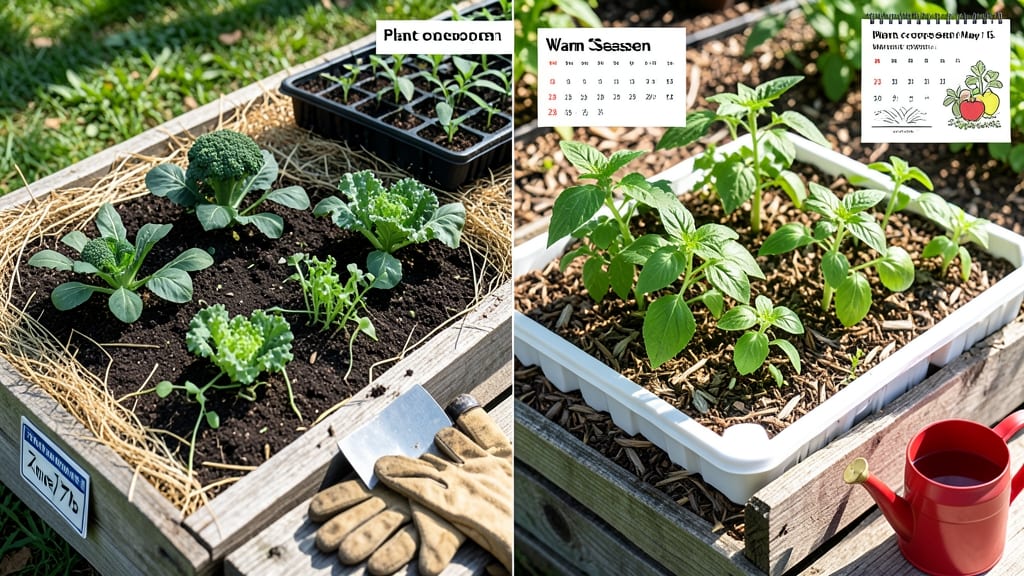
When to plant in Maryland can make all the difference between a lush, productive garden and a disappointing one—because those frost dates aren’t just numbers, they’re the rules of the game. Whether you’re planting tomatoes in the Piedmont or herbs near the coast, getting the window right ensures your 🌱 thrives when it counts.
I’ve seen firsthand how a few days’ delay can turn tender seedlings into frost bites, and I’m here to help you avoid that heartbreak.
Maryland’s USDA Zones 6b-7a have specific deadlines for everything from cool-season greens to heat-loving peppers, and I’ll break it all down so you never guess wrong again.
But here’s the kicker: Maryland’s microclimates—coastal humidity, mountain chill, even urban heat islands—can shift your planting schedule by weeks. We’ll cover those adjustments so your garden stays ahead of the weather, no matter where you’re growing.
Ready to plant with confidence? Let’s dive into the exact dates, pro tips, and even a checklist to keep you on track all season long.
Maryland planting deadlines by USDA zone (with frost-proof timing)
Maryland spans USDA Zones 6b-7a, meaning frost dates vary dramatically—sometimes by weeks—between Baltimore’s urban heat and the cooler Appalachian foothills. I’ve spent years tracking local weather data to pinpoint the safest planting windows for your garden’s success.
These deadlines account for Maryland’s average last frost dates (April 15 in Zone 7a to May 1 in Zone 6b) with a 2-week buffer to account for unpredictable late frosts.
For cool-season crops like spinach, kale, and broccoli, I recommend starting seeds 4-6 weeks before your last frost date. These hardy greens tolerate light frosts and even thrive when temperatures dip to 25°F. Warm-season crops—think tomatoes, peppers, and cucumbers—need soil temperatures above 60°F to germinate reliably.
That’s why I always wait until after Memorial Day (May 25) to plant these heat-lovers, unless I’m using row covers or cold frames.
Here’s the zone-specific breakdown you need to plan your Maryland garden like a pro:
| Zone | Last Frost Date | Cool-Season Planting | Warm-Season Planting | First Frost Date |
|---|---|---|---|---|
| Zone 6b (Western MD) | April 15 | March 15 - April 15 | May 15 - June 1 | October 20 |
| Zone 7a (Eastern MD) | April 1 | February 28 - March 31 | April 20 - May 10 | November 5 |
| Zone 7b (Coastal MD) | March 20 | February 15 - March 15 | April 1 - April 15 | November 15 |
*Dates based on 30-year averages; check local forecasts weekly
Pro tip: Use Maryland’s Frost Freeze Warnings from the National Weather Service as your final guide. I always set up frost alarms (available at garden centers) to wake me up if temperatures dip unexpectedly.
For extended-season gardening, I recommend planting cold-hardy varieties like 'Early Girl' tomatoes or 'Black Krim' tomatoes, which can handle brief chills better than standard varieties.
Don’t forget about fall planting! Many Maryland gardeners overlook the fact that you can plant cool-season crops in late summer for a second harvest. Aim to sow seeds 8-10 weeks before your first frost date.
For Zone 7a, that means early August for spinach and mid-August for broccoli. I’ve had incredible success with garlic and onions planted in October—they overwinter and produce robust harvests the following summer.
One mistake I see often? Planting warm-season crops too early because the soil looks dry. Always check soil temperature with a soil thermometer—it should read at least 60°F at a 2-inch depth.
I keep mine handy and test daily in April. If you’re in doubt, opt for transplants instead of seeds; they’ve already got a head start and can handle slightly cooler soil.
For perennials and shrubs, timing matters too. I plant bare-root roses and fruit trees in late fall or early spring when the ground is workable but not frozen. This gives roots time to establish before summer heat arrives.
And if you’re adding new perennials like coneflowers or black-eyed Susans, I recommend planting them in spring (April-May) for the best root development before winter.
Remember, Maryland’s microclimates can create big differences even within a single county. If you’re near the Chesapeake Bay, expect slightly later frosts due to the moderating ocean influence. Meanwhile, inland areas like Frederick County can see earlier frosts by up to 2 weeks.
Always adjust your planting schedule based on your specific location’s history—not just the zone average.
For a foolproof system, I keep a gardening journal to track my local frost dates each year. After 5 years, you’ll have a custom timeline that’s far more accurate than any zone chart.
Start small, pay attention to your plants’ cues, and don’t be afraid to extend your season with row covers or cold frames—Maryland’s growing season is shorter than many gardeners realize!
How to adjust planting for Maryland’s microclimates (coastal vs. Piedmont vs. mountains)
Maryland’s diverse geography means your planting deadlines can vary by 500 feet in elevation or just a 20-mile coastal drive. What works in Annapolis might fail in Cumberland, and mountain gardens near Deep Creek Lake need a completely different approach.
Understanding these microclimates lets you fine-tune your schedule for zero-frost success.
Coastal areas like Chesapeake Bay enjoy milder winters and later frosts, while inland Piedmont regions (Baltimore, Frederick) experience sharper temperature swings. Mountainous western Maryland (Allegany County) can have earlier springs and longer growing seasons due to higher elevations.
Even urban heat islands in Baltimore can push planting windows 1-2 weeks earlier than rural areas.
🌱 Maryland Microclimate Planting Adjustments
| Region | Last Frost | First Frost | Key Adjustments |
|---|---|---|---|
| Coastal (Annapolis, Easton) | April 15–May 1 | October 20–November 5 | Plant warm-season crops 10–14 days later. Use humidity-resistant varieties (e.g., disease-free tomatoes). |
| Piedmont (Baltimore, Frederick) | April 1–April 15 | October 10–October 25 | Standard deadlines apply, but mulch heavily to protect roots. Urban areas may need container gardening for heat-sensitive plants. |
| Mountains (Deep Creek Lake, Cumberland) | April 20–May 5 | September 20–October 10 | Start cool-season crops 2 weeks earlier. Use cold-hardy varieties (e.g., kale, Swiss chard). Extend season with row covers. |
Soil temperature is another critical factor across regions. Use a soil thermometer to confirm 50°F+ for warm-season crops like peppers and cucumbers. Coastal soils warm 2-3 weeks later than inland sites, so don’t rush planting.
For container gardens (ideal for urban areas), use black pots to absorb heat and plant 1-2 weeks earlier than ground planting.
Mulching strategies also differ by region. In coastal areas, focus on organic mulch to retain moisture during humid summers. Inland Piedmont gardens benefit from straw mulch to insulate roots from temperature swings. Mountain gardens often need thick layers of leaves to protect against early frosts.
For extended-season gardening, leverage microclimates to your advantage. Plant heat-loving crops (e.g., okra, sweet potatoes) in urban heat islands and cool-season crops (e.g., spinach, lettuce) in mountain valleys. Always monitor local Almanac frost predictions and adjust your schedule by 7–10 days based on your specific zone.
🌿