
Plants
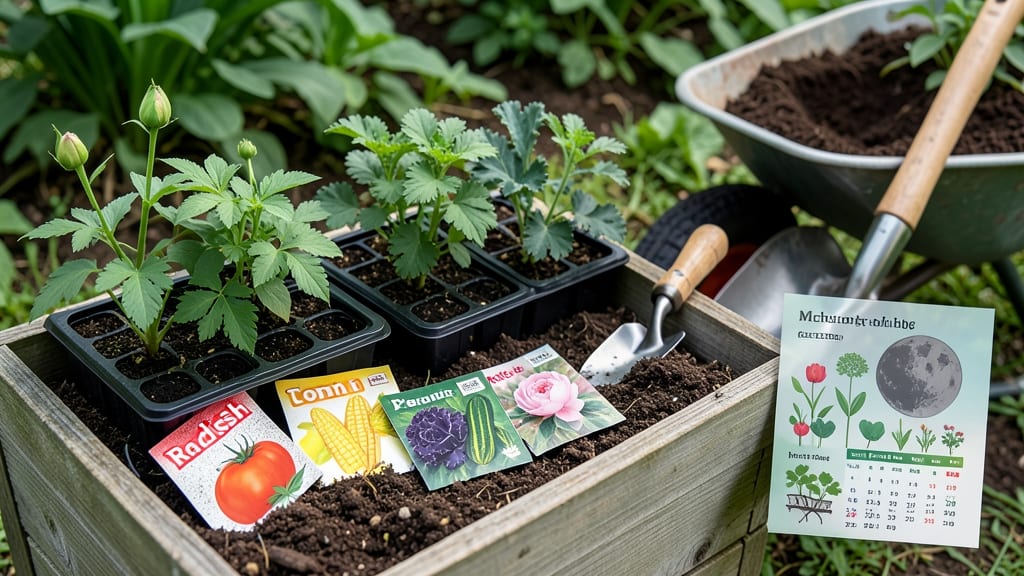
Figuring out when to plant in Michigan calendar can feel like solving a puzzle—especially when spring frost dates shift year to year.
But with the right timing, you can turn your backyard into a thriving garden packed with tomatoes, peppers, and vibrant flowers instead of guessing whether your seeds will survive.
Michigan’s USDA Zones 5b-6a mean the difference between a bumper crop and a sad, withered plant. Whether you’re a first-time gardener or a seasoned green thumb, knowing the exact deadlines for cool-season crops like spinach and warm-season favorites like basil is the key to success.
Let’s break down the most important planting windows so you can start strong.
From starting seeds indoors in March to planting heat-lovers after the last frost in mid-April, this calendar covers everything you need. We’ll also show you how to adjust for those pesky late frosts or unexpected heatwaves—because Michigan weather doesn’t always play by the rules.
Ready to discover the secrets to a productive garden? By the end, you’ll know exactly when to put each plant in the ground, how to protect them from early frosts, and which crops can handle Michigan’s unpredictable climate. Let’s get growing!
Michigan planting calendar by USDA Zone: exact deadlines for cool and warm season crops
Michigan’s USDA Zones 5b and 6a create a unique gardening challenge—where last spring frosts can arrive as early as mid-April in southern regions or as late as May 15th in the Upper Peninsula.
Warm-season crops like tomatoes and peppers need consistent soil temps above 55°F, while cool-season kale and spinach thrive in 40-50°F soil. Timing is everything, so I’ve broken down the exact planting windows for Michigan’s most popular crops.
To simplify, I’ll focus on three key milestones: the average last frost date (mid-April for Zone 6a, May 10th for Zone 5b), the first frost date (mid-October in most areas), and the 140-day growing season that defines Michigan’s warm-season crop limits.
For example, bushel baskets of tomatoes require planting after May 1st in most of the state, while hardy peas can go in as early as March 15th under row covers.
| Crop Type | USDA Zone 6a (Lower MI) | USDA Zone 5b (Upper MI) | Key Notes |
|---|---|---|---|
| Cool-Season Veggies | March 15 – April 15 OR August 1 – September 1 (fall) |
April 1 – May 1 OR July 15 – August 15 (fall) |
Peas, spinach, kale, lettuce. Direct-sow 4-6 weeks before last frost. |
| Warm-Season Veggies | May 1 – June 1 (after soil hits 60°F) | May 15 – June 15 (after soil hits 60°F) | Tomatoes, peppers, cucumbers, beans. Start indoors 6-8 weeks before last frost. |
| Herbs | April 15 – May 15 (hardy herbs) June 1 (tender herbs) |
May 1 – June 1 (hardy herbs) June 15 (tender herbs) |
Basil, parsley (hardy); cilantro, dill (cool-season). Avoid frost for tender varieties. |
| Flowers | April 1 – May 15 (annuals) September 1 (perennials) |
May 1 – June 1 (annuals) August 15 (perennials) |
Marigolds, zinnias (annuals); coneflowers, daylilies (perennials). Deadhead for longer blooms. |
| Frost Dates | Last Frost: April 15 First Frost: October 15 |
Last Frost: May 10 First Frost: October 1 |
Use row covers to extend seasons by 2-4 weeks. |
For Zone 6a gardeners in southern Michigan, March is prime time for cool-season crops like onions and potatoes, which can handle chilly soil as long as it’s not frozen.
I recommend planting seed potatoes in late March and broccoli in early April—both will be ready to harvest by July before the heat sets in.
Meanwhile, Zone 5b gardeners in the Upper Peninsula should wait until mid-April for hardy greens and early May for warm-season starters like tomato seedlings.
One of my biggest mistakes was planting cucumbers too early in Zone 5b—they wilted when a late-May frost hit. Now, I use black plastic mulch to warm the soil and row covers for an extra
How to adjust your Michigan planting schedule for unpredictable weather (and what to do if frosts strike late)
Michigan’s last spring frost can swing from mid-April to early May, leaving gardeners scrambling when tender seedlings like tomatoes or peppers are ready to go in the ground. The key? A flexible backup plan that accounts for Zone 5’s colder pockets and Zone 6’s slightly longer growing season.
I’ve learned the hard way—late frosts can turn a thriving basil patch into a sad, blackened mess overnight.
Start by identifying your microclimate. Southern Michigan (Zone 6a) often warms up faster than the Upper Peninsula (Zone 5b), so check local frost-free date averages from your county’s agricultural extension office.
For example, Detroit’s last frost is typically April 15**, while Traverse City’s can linger until May 10. Planting too early in cooler areas risks seedling damage, while waiting too long in warmer zones may delay harvests.
Here’s my go-to strategy for unpredictable weather: Use cold frames or row covers to extend the season by 2–4 weeks. These low-cost tools create a mini greenhouse effect, protecting warm-season crops like peppers and eggplants until soil temperatures hit 60°F.
I’ve even used them to harden off seedlings gradually, reducing transplant shock when the final frost finally passes.
- Start seeds indoors 6–8 weeks before your last frost date (e.g., March 1 for Zone 6a, March 15 for Zone 5b). Use grow lights if natural light is limited.
- Plant cold-hardy crops like spinach, kale, and peas as early as March, even if other plants wait until April.
- Use floating row covers to protect tender seedlings after transplanting. Remove during the day to pollinate flowers (like cucumbers).
- Switch to fast-maturing varieties (e.g., ‘Early Girl’ tomatoes mature in 55 days vs. 80 days for heirlooms).
- Have a backup planting date 2 weeks after your original deadline. For example, if you planned to plant zucchini on May 1, be ready to replant on May 15.
Don’t forget soil temperature—it’s just as critical as air temperature. Use a soil thermometer to confirm it’s at least 50°F for cool-season crops and 60°F+ for warm-season crops. I’ve planted peppers in May only to watch them wilting because the soil was still too cold to support root growth.
Pro tip: Black plastic mulch warms soil 5–10°F faster than bare earth.
For fall planting, aim to sow cool-season crops (like broccoli or carrots) 6–8 weeks before your first frost (typically September 15–October 1).
If you miss this window, opt for overwintering crops like garlic or onions, which thrive in cold soil and can be planted as late as November. I’ve had garlic survive Michigan winters with just a light mulch of straw.
When all else fails, embrace succession planting. Instead of betting everything on one planting window, stagger small batches every 2 weeks for continuous harvests. For example, sow lettuce every 3 weeks from April to August to ensure a steady supply.
This method also reduces risk if a late frost wipes out your first batch.