
Plants
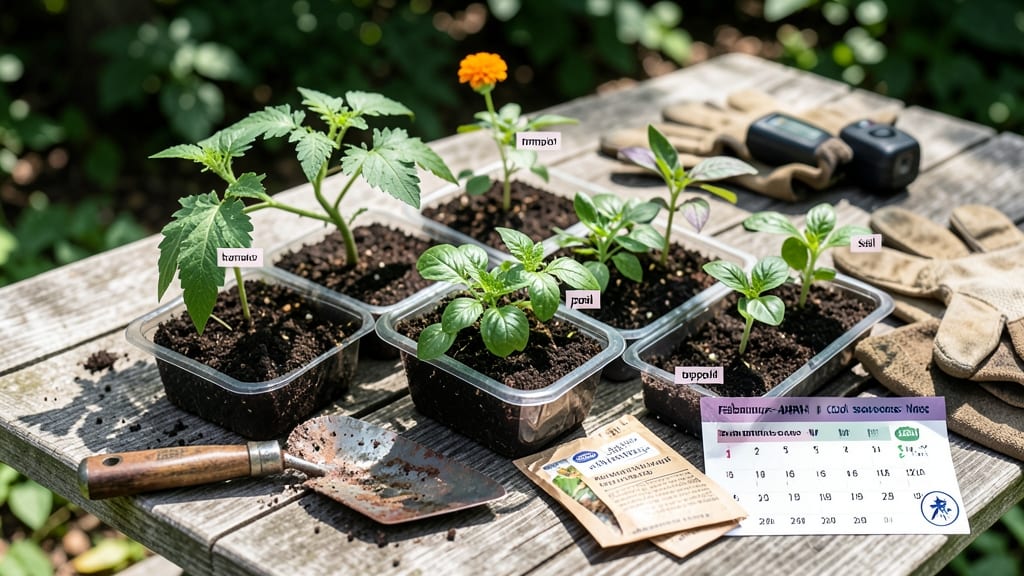
When to plant in South Carolina isn’t just about following a calendar—it’s about beating frost, avoiding summer heat stress, and making the most of your 7a-8b zones. Plant too early, and a late frost could wipe out your seedlings; too late, and pests or scorching temperatures take over. The key? Knowing your zone’s last frost dates and heat tolerance windows.
I’ve spent years gardening across SC’s diverse regions—from the humid Coastal Plain to the cooler Piedmont—and the difference between a thriving garden and a struggle often comes down to when you put seeds in the ground.
Whether you’re growing heat-loving tomatoes or frost-sensitive lettuce, the right timing ensures strong starts and bigger harvests. Let’s break down the exact windows for your zone.
Most gardeners in SC focus on spring planting, but summer and fall are just as critical. Heat-sensitive plants like basil need to go in after soil warms to 60°F, while cool-season crops like kale thrive in early spring or late fall.
I’ll show you how to align your planting with SC’s microclimates, so you’re never caught off guard by weather surprises.
Ready to transform your garden? You’ll walk away with a month-by-month schedule tailored to your zone, plus pro tips for extending harvests and avoiding common SC planting mistakes. Let’s get those seeds in the ground at the perfect moment.
South Carolina planting zones: key dates by last frost & heat tolerance
South Carolina spans USDA zones 7a-8b, meaning your planting timeline depends heavily on elevation and coastal proximity. The Coastal Plain (zones 8a-8b) enjoys milder winters, while the Piedmont (7b-8a) and Mountains (7a) face earlier frosts. Understanding these zones helps you avoid frost damage or heat stress in your plants.
For example, Zone 8b (Charleston) typically sees its last frost by March 15, while Zone 7a (Upstate) may not warm up until April 15. These dates dictate when to plant cool-season crops like lettuce versus heat-loving plants like okra. Let’s break down the critical windows for each zone.
🌱
| Zone | Last Frost | First Frost | Cool-Season Plants | Heat-Season Plants |
|---|---|---|---|---|
| Zone 7a (Upstate) | April 15 | November 15 | Broccoli, Spinach, Peas | Tomatoes, Peppers, Okra |
| Zone 7b (Piedmont) | March 30 | October 30 | Cabbage, Kale, Radishes | Sweet Potatoes, Corn, Basil |
| Zone 8a (Coastal) | March 1 | December 15 | Arugula, Lettuce, Carrots | Cucumbers, Eggplant, Peanuts |
| Zone 8b (Lowcountry) | February 15 | January 15 | Collards, Mustard Greens | Okra, Sweet Corn, Melons |
In Zone 7a, for instance, you’ll want to start cool-season crops like broccoli in early March, while Zone 8b gardeners can plant the same crops as early as late January.
Conversely, heat-loving plants like tomatoes should never go into cold soil—wait until soil temperatures reach 60°F or higher, typically mid-April to May in most zones.
Another critical factor is soil temperature. Use a soil thermometer to check—most vegetables need soil at 50-60°F to germinate properly. In Zone 8b, this might mean waiting until April 1 for tomatoes, while Zone 7a gardeners should hold off until May 1 to avoid stunted growth.
For perennials and shrubs, timing matters too. Plant bare-root trees in late winter (February-March) when the ground is workable but before buds break. In Zone 8a, this means February 15-March 15, while Zone 7a gardeners should wait until March 15-April 1 to avoid frost damage.
🌡️
Don’t overlook microclimates—your backyard might be warmer or cooler than the average for your zone. South-facing slopes warm up faster, while low-lying areas hold frost longer. Use row covers or cold frames to extend your growing season by 2-4 weeks in spring or fall.
Finally, heat tolerance varies by plant. While okra thrives in Zone 8b’s summer heat, lettuce bolts quickly in temperatures above 75°F. Plan your garden layout to group heat-sensitive and heat-tolerant plants separately for optimal results.
☀️
Best month-by-month planting schedule for SC gardens
South Carolina’s extended growing season means you can plant almost year-round, but knowing the exact timing for each crop is key.
Unlike northern states, we don’t have to rush spring planting—just avoid late frosts (which can hit as late as March in Zone 7a) and summer heatwaves that stress heat-sensitive plants. Here’s my month-by-month breakdown for vegetables, flowers, and perennials tailored to SC’s climate.
Start with cool-season crops in January and February when soil temperatures hover around 50–60°F. These hardy plants like broccoli, cabbage, and spinach thrive in cooler weather and can handle light frosts.
By March and April, shift to warm-season staples like tomatoes and peppers once nighttime temps stay above 55°F consistently. Summer months (May–August) are prime for heat-loving crops such as okra, sweet potatoes, and southern peas.
📅 Month-by-Month Planting Highlights for SC Gardens
Plant cool-season veggies (kale, lettuce, peas) and bare-root perennials (roses, hydrangeas). Soil temps are ideal (50–60°F) for early starts.
Transition to warm-season crops (tomatoes, peppers, cucumbers) after last frost (mid-March in Zone 8b). Start annual flowers (marigolds, zinnias) for summer color.
Focus on heat-tolerant plants (okra, sweet potatoes, southern peas). Mulch heavily to retain moisture—Zone 8b summers can hit 95°F+.
Plant fall crops (collards, turnips, radishes) for harvest before first frost (mid-October in Zone 7a). Succession plant bush beans every 2 weeks.
Extend harvests with row covers for greens and cool-season flowers (pansies, snapdragons). Plant garlic in October for next year’s crop.
Focus on winter prep: plant cover crops (clover, rye) to protect soil. Prune perennials and roses for spring blooms.
Pro tip: Use SC’s 300+ frost-free days in Zone 8a/8b to grow year-round greens like Swiss chard or kale with season extenders. In Zone 7a, prioritize early spring and late fall plantings to avoid frost damage. Always check soil temperature—warm-season crops need 60°F+ soil to thrive.
For flowers, spring-bloomers (like azaleas and camellias) love SC’s mild winters, while summer annuals (petunias, geraniums) need consistent moisture to handle our humidity. Perennials like black-eyed Susans and coneflowers are low-maintenance and bloom reliably if planted in fall or early spring.
Remember: Timing beats everything in SC gardening. Miss the window for tomatoes in spring, and you’ll fight blossom-end rot all summer. Stick to this schedule, and you’ll enjoy harvests from January to December—no matter where you garden in the Palmetto State! 🌱