
Plants
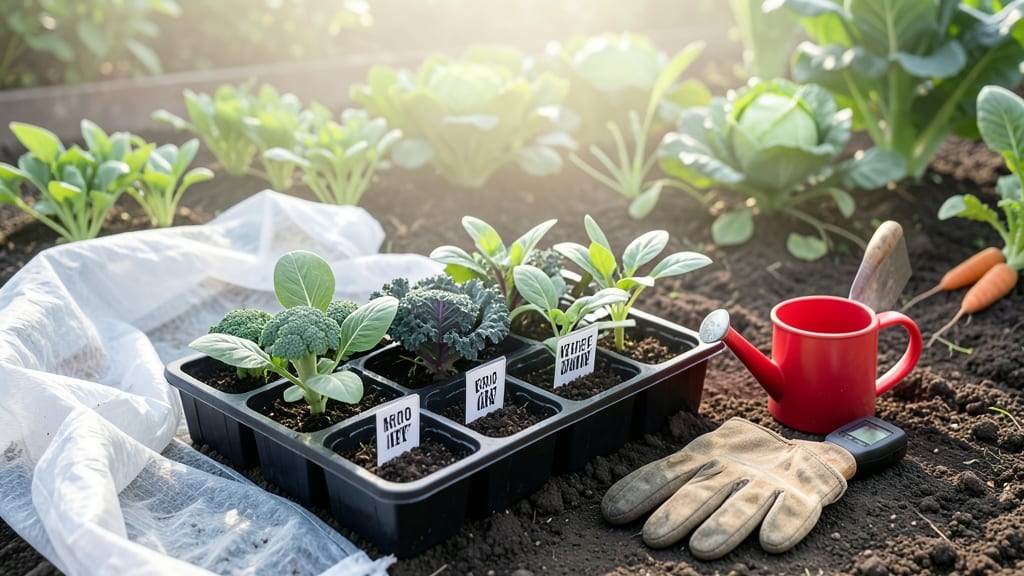
Knowing when to plant in Zone 4 isn't just about following a calendar—it's about mastering the delicate balance between frost dates and your garden's potential.
With only 120-150 frost-free days in most of Zone 4 (think Northern US and Canada), timing your plantings could mean the difference between a bumper crop and a season of disappointment.
If you've ever watched your tender seedlings wilt overnight or your late-season tomatoes turn to mush, you know how cruel Zone 4's short growing season can be. The key isn't just planting early—it's planting smart, whether you're sowing cool-season crops in spring or warm-season favorites after the last frost.
I'll walk you through the exact planting windows you need, from mid-April (when the ground thaws) to early October (before the first frost). We'll cover regional variations, microclimates, and even how to stretch your season with simple tricks like row covers.
Ready to make your Zone 4 garden thrive? Let's dive into the science—and the secrets—of planting at the perfect time, so you can enjoy fresh harvests all season long.

Zone 4 frost dates and last frost timelines by month
Understanding your Zone 4 frost dates is the foundation of successful gardening in this climate. With 120-150 frost-free days annually, timing is everything—one late frost can wipe out tender seedlings overnight.
The average last spring frost typically arrives between mid-April and early May, while the first fall frost often hits mid-September to early October. However, these dates vary significantly across Zone 4's diverse regions, from the Great Lakes to the Northeast.
In the Northeast (e.g., Vermont, New York), the last frost can linger until May 15, giving you a shorter window for warm-season crops. Meanwhile, the Midwest (e.g., Minnesota, Wisconsin) often sees its last frost by May 1, allowing for earlier planting.
Microclimates—like urban heat islands or sheltered valleys—can shift frost dates by 1-2 weeks, so always monitor local weather trends. For precise planning, check your USDA Plant Hardiness Zone map and track historical frost data from nearby weather stations.
🌱 Key frost dates to mark on your calendar:
- Last frost (spring): April 15–May 15 (varies by region)
- First frost (fall): September 15–October 15
- Safe planting window: 10–14 days after last frost for warm-season crops
- Fall planting window: 4–6 weeks before first frost for cool-season crops
| Region | Last Spring Frost | First Fall Frost | Frost-Free Days | Planting Adjustments |
|---|---|---|---|---|
| Northeast (NY, VT) | May 1–15 | Sep 20–Oct 5 | 120–130 | Use row covers for early starts |
| Midwest (MN, WI) | Apr 25–May 10 | Sep 10–Sep 25 | 130–150 | Longer window for succession planting |
| Great Lakes (MI, IN) | May 1–May 10 | Sep 25–Oct 10 | 125–140 | Lake-effect delays frost in fall |
| Northern Plains (ND, SD) | May 10–20 | Sep 5–Sep 20 | 110–130 | Shortest season—prioritize fast growers |
To account for unpredictable frosts, I always wait until May 15 to plant warm-season crops like tomatoes and peppers, even if the average last frost has passed.
For cool-season crops such as spinach or kale, I start seeds indoors in March and transplant after the last frost. Soil temperature is another critical factor—most seeds need soil at 50–60°F to germinate, so use a soil thermometer to avoid false starts.
If you’re in a microclimate with later frosts (e.g., near a lake or hilltop), consider extending your season with cold frames or frost cloths. These tools can push your last frost date back by 2–4 weeks in spring and delay the first frost in fall by 1–2 weeks.
For example, I’ve successfully grown broccoli and cabbage well into October using row covers, adding 4–6 extra weeks of harvest time.
For fall planting, aim to sow cool-season crops like radishes or lettuce 4–6 weeks before your first frost. In my garden, that means starting seeds in late July to early August for a September–October harvest.
Use a frost date calculator (like the one from the Old Farmer’s Almanac) to fine-tune your schedule based on your exact location. Remember, overestimating your frost-free days can lead to disappointed plants—when in doubt, err on the side of caution!
Pro tip: Keep a gardening journal to track your local frost dates over 3–5 years. I’ve
Best month-by-month planting schedule for Zone 4 gardens
Mastering your Zone 4 planting schedule means aligning your garden with nature’s rhythm. Here, I’ll break down the best months to plant vegetables, flowers, and perennials—including cool-season crops that thrive in early spring and late fall.
The key? Starting 4-6 weeks before your last frost for warm-season plants and planting cool-season crops as soon as soil is workable.
Zone 4’s 120-150 frost-free days demand strategy. Warm-season crops like tomatoes and peppers need full sun and warm soil, while cool-season crops such as spinach and kale tolerate light frosts. Let’s dive into the month-by-month planting calendar tailored for your region’s unique challenges.
📅 Zone 4 Planting Timeline
- March-April: Start cool-season veggies (spinach, peas) and perennial flowers indoors. Plant hardy greens (kale, lettuce) outdoors once soil warms to 40°F.
- May: Sow warm-season crops (beans, cucumbers) 2 weeks after last frost. Transplant tomatoes and peppers after soil reaches 60°F.
- June-July: Succession plant fast-growing veggies (bush beans, radishes). Direct-sow fall crops (carrots, beets) for harvest before frost.
- August: Plant cool-season flowers (pansies, snapdragons) and garlic for next year. Start broccoli and cabbage indoors.
- September-October: Sow hardy greens (spinach, arugula) and overwintering onions. Extend season with row covers.
Pro tip: Use succession planting to maximize your short season. For example, sow radishes every 2 weeks in spring and fall—they mature in just 30 days!
This keeps your harvests steady and reduces waste. Zucchini and squash, on the other hand, thrive when planted all at once in late May to avoid overcrowding.
Don’t overlook perennials and shrubs. Plant them in early spring or fall when soil is moist but not waterlogged. Daylilies and coneflowers are Zone 4 superstars—they bloom reliably year after year with minimal fuss.
For trees and large shrubs, aim for early spring planting to give roots time to establish before winter.
Adjust for your microclimate. Gardens in southern Zone 4 (e.g., parts of Ohio) may have 2-3 extra frost-free weeks compared to northern areas (e.g., Minnesota). Watch local weather forecasts and use frost cloths to protect tender plants when nighttime temps dip below 32°F.
Remember: Fall planting is your secret weapon in Zone 4. Many cool-season crops (like spinach and carrots) taste sweeter after a light frost. Plant them 4-6 weeks before your first frost date—typically late August to early September—for a harvest before winter sets in.