
Plants
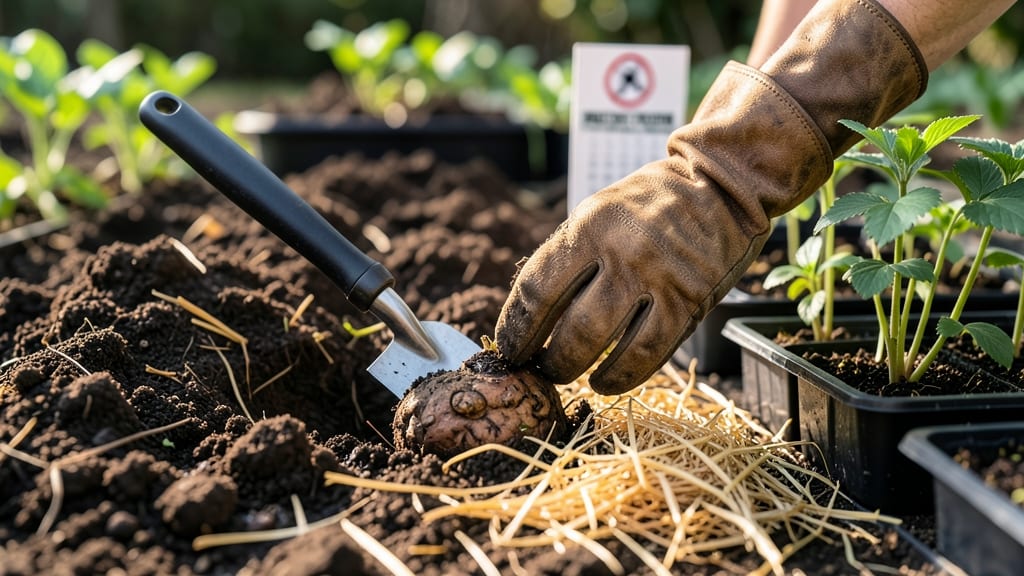
When to plant dahlias in Zone 6a could mean the difference between a garden bursting with 🌼 and a season of missed blooms. The key isn't just waiting for frost-free days—it's about giving those tubers the perfect 2-4 week head start before Mother Nature throws her last cold snap.
I've learned the hard way that planting too early risks frost damage, while waiting too long can stunt those showstopping stems before summer even arrives. What you're about to discover is the exact window—plus soil prep secrets—that will have your dahlias thriving from mid-May onward.
We'll cover how to tell when your soil is truly warm enough, how to adjust for those tricky early springs, and why chitting your tubers indoors can give you a 2-week advantage. Trust me, these small tweaks make all the difference when you're dealing with Zone 6a's unpredictable weather.
Whether you're a first-time grower or a seasoned gardener, these insights will help you avoid common pitfalls and get your dahlias off to a flying start. Let's make sure your garden becomes the talk of the neighborhood—with blooms that last from July through October.

Zone 6a dahlias planting timeline: exact weeks before last frost
In Zone 6a, timing your dahlias perfectly means planting 2-4 weeks before your last frost date, typically between mid-April and early May. The average last frost for Zone 6a falls around April 15, but this varies by microclimates—urban areas may warm faster than rural spots.
Always check your local frost-free date using the USDA Plant Hardiness Zone Map or a frost calculator.
Dahlias thrive when soil temperatures reach 60°F (15°C), signaling it’s safe to plant. Cold soil slows root growth, leading to stunted plants.
Use a soil thermometer to confirm—if temps dip below 55°F (13°C), wait another week. Early springs in Zone 6a can trick gardeners into planting too soon, risking frost damage.
For a foolproof timeline, count backward from your last frost date. Dahlias need 90-120 days to mature, so aim to plant 10-12 weeks before your first fall frost (usually October 15 in Zone 6a). This ensures blooms by mid-summer, when they’ll steal the show in your garden.
🌱
| Stage | Action | Zone 6a Timeline |
|---|---|---|
| Prep Tubers | Chit tubers indoors (late March) | 4-6 weeks before last frost |
| Soil Prep | Amend soil with compost | 2-3 weeks before planting |
| Plant Tubers | After last frost, soil 60°F+ | Mid-April to early May |
| First Blooms | Expect flowers by July | 90-120 days after planting |
If your spring arrives early, resist the urge to plant dahlias too soon. Even a light frost can kill tender tubers, and cold soil delays root establishment.
Instead, use the 2-4 week buffer to ensure roots are strong enough to handle Zone 6a’s unpredictable late frosts, which can linger into May in some years.
For late springs, extend your timeline by 1-2 weeks. If frost threatens after planting, cover tubers with straw mulch or a cloche. Dahlias planted too late may not bloom until late summer, but they’ll still reward you with vibrant color if cared for properly.
Pro tip: Use row covers to warm soil faster in Zone 6a. Lay them over garden beds 2-3 weeks before planting to raise soil temps by 5-10°F. This gives you a 2-week head start on the planting window, especially in cooler microclimates.
After planting, monitor your dahlias for new growth signs. Shoots should emerge within 2-3 weeks if soil temps are ideal. If growth stalls, check for rot (from overwatering) or pests (like slugs).
In Zone 6a, early June is the sweet spot for vigorous growth, setting the stage for summer blooms.
🌼
How to prep dahlias for Zone 6a planting: chitting, chitting alternatives, and hardening off
Prepping dahlias for Zone 6a’s unpredictable spring weather is half the battle for those showstopping blooms. Since tubers need consistent warmth to sprout, I always start them indoors 6-8 weeks before the last frost date. This gives them a head start while avoiding transplant shock when moving them outside.
Most gardeners swear by chitting—the process of encouraging tuber sprouting before planting. But if you don’t have a sunny windowsill or grow lights, don’t worry. There are organic alternatives that work just as well. The key is to mimic the warm soil conditions dahlias crave without overcomplicating things.
🌱 Did You Know?
Chitting Boosts Growth
Dahlias chitted indoors can grow 2-3 inches taller before transplanting, giving them a 3-week advantage over unchitted tubers in Zone 6a’s short growing season.
For chitting, place your dahlia tubers in a tray with the eyes facing up and cover them with moist peat moss or coconut coir. Keep them in a warm spot (60-70°F)—like on top of your fridge—where they’ll sprout in 2-4 weeks.
If you’re short on space, try the paper towel method: wrap tubers in damp paper towels inside a plastic bag with holes for airflow.
Once sprouts reach 2-3 inches, it’s time to harden them off. This means gradually exposing them to outdoor conditions over 7-10 days to prevent shock. Start with 2 hours of shade on a mild day, then increase their time outside—and sunlight exposure—daily.
By the time you’re ready to plant (mid-May in Zone 6a), they’ll be tough as nails and ready to thrive.
If chitting feels like too much work, don’t stress. You can still plant unchitted tubers as long as the soil is at least 60°F and the frost risk has passed. Just be prepared for a slower start—your dahlias might bloom 2-3 weeks later than chitted ones.
Either way, mulching heavily after planting helps retain warmth and moisture for those critical early weeks.
Pro tip: Mark your calendar for May 15th in Zone 6a—this is your target transplant date if you’ve been chitting since early April. And if you’re in a microclimate that warms up faster (like near a south-facing wall), you might even push it to mid-May.
Just keep an eye on those nighttime temps—they shouldn’t dip below 50°F after planting.