
Plants
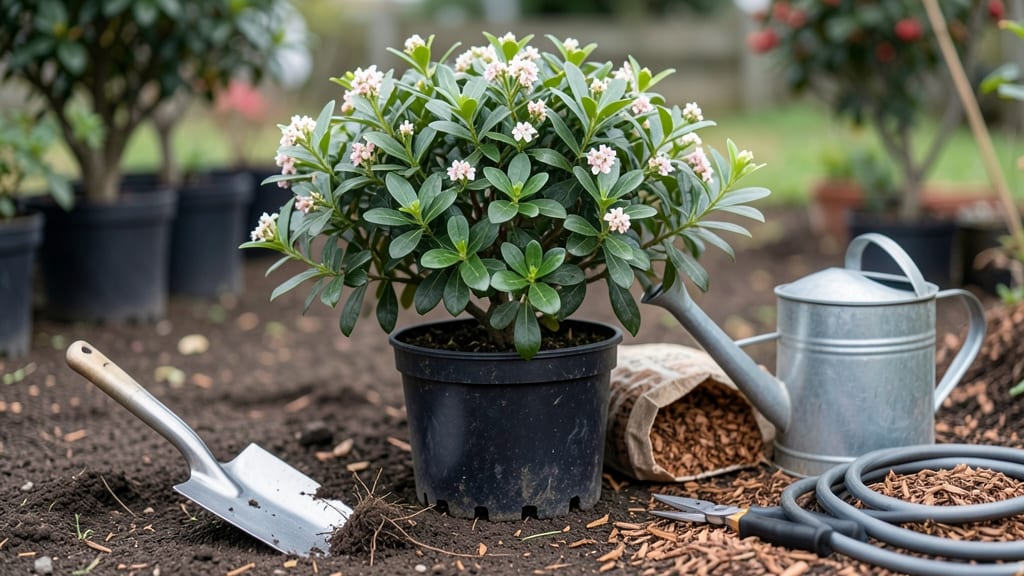
When to plant an Indian Hawthorn in Texas could make or break whether your shrub thrives or struggles—especially when extreme heat or unexpected frost lurks around the corner.
Most gardeners assume spring is the only window, but Texas' 8a-10a climate actually gives you two prime opportunities: fall and early spring. Planting in October-November lets roots establish before winter, while February-March avoids summer's brutal heat.
Here's the game-changer: North Texas (like Dallas) has different frost risks than Houston, and clay soils behave differently. I'll break down exactly when to plant in your specific region—and what to watch for to ensure your Indian Hawthorn takes root with confidence.
Skip the guesswork and discover the best months for your area, plus pro tips to keep your new shrub happy through Texas' unpredictable seasons.
Best months to plant Indian Hawthorn in Texas (by region)
Texas’ diverse climate zones mean Indian Hawthorn planting times vary dramatically from North Texas to South Texas. In Zone 8a (Dallas/Fort Worth), your best window is October–November or February–March, while Zone 10a (Houston/Corpus Christi) allows planting year-round—with September–October as ideal.
The key is avoiding 100°F+ soil and freezing nights, which can kill transplants before roots establish.
For Central Texas (Austin/San Antonio), aim for late September–early November or mid-February–mid-March. These months balance soil warmth (60–80°F) with lower rainfall, reducing fungal risks. Urban microclimates (like paved areas) may need adjustments—plant 1–2 weeks earlier in heat-island zones to escape summer stress.
South Texas gardeners enjoy longer frost-free seasons, but even here, summer planting (May–August) is risky. The humidity and heat (90°F+) stress roots, while hurricane season (June–November) can uproot young shrubs. Fall planting (September–October) is safest, with spring (February–March) as a close second.
North Texas’ colder winters demand extra caution. Planting in November risks early frosts (average first frost: January 15), while March planting may face heatwaves before roots anchor. Mulch heavily (3–4 inches) to insulate roots and water deeply before freezing to prevent desiccation.
Texas’ clay-heavy soils in East Texas (e.g., Tyler) require amending with compost before planting. West Texas (Lubbock), with its alkaline soils, benefits from gypsum to improve drainage. Always test your soil’s pH (6.0–7.0 ideal)—Indian Hawthorn hates soggy roots, which are common in heavy clay.
If you miss the ideal windows, container planting buys you flexibility. Potted Indian Hawthorn can go in April or September in North Texas, but acclimate plants gradually to outdoor temps to avoid transplant shock. Hardening off (7–10 days of outdoor exposure) is critical for nursery-grown shrubs.
Remember: Fall planting gives roots 6–8 weeks to establish before summer heat, while spring planting avoids winter dormancy stress. South Texas can push spring planting to April, but water daily until roots anchor—Texas summers dry out soil fast.
For urban gardens, microclimates matter. A shady backyard in Dallas may stay 10°F cooler than a sun-baked patio, delaying planting by 2–3 weeks. Use a shade cloth if planting in peak summer—just remove it by late afternoon to avoid fungal growth.
Finally, avoid planting during Texas’ erratic weather shifts. A March heatwave can spike temps to 90°F overnight, while a November frost can kill tender roots. Check NOAA forecasts for stable 60–80°F soil temps before digging.
Critical factors that determine planting success (beyond just months)
Timing your Indian Hawthorn planting isn’t just about picking a month—it’s about creating the right conditions for root establishment. The soil temperature must stay between 60–80°F for optimal growth, which Texas’s clay-heavy soils often struggle to maintain.
If your soil runs cooler than 55°F, roots slow down, leaving your plant vulnerable to transplant shock.
Another critical factor is moisture balance. Indian Hawthorn hates soggy roots but also can’t handle drought stress during its first year. Texas’s summer heat (often exceeding 100°F) can bake the soil, while winter rains can turn clay into a waterlogged mess.
Aim for consistent moisture without overwatering—this shrub prefers deep but infrequent watering once established.
🌱