
Plants
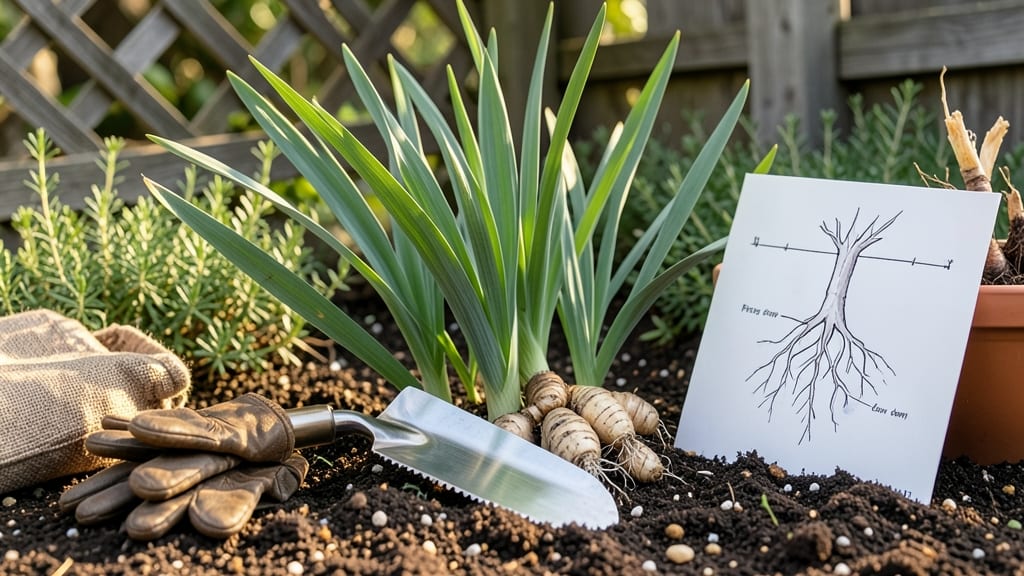
Planting your iris bulbs in Massachusetts at the wrong time could mean waiting years for those show-stopping spring blooms—or worse, losing them entirely before they even sprout. The key to success isn’t just knowing when to dig, but understanding how our Zone 5b-6b climate plays tricks on traditional planting advice.
Most gardeners assume spring is the only window, but in Massachusetts, the real magic happens in fall—specifically between late August and early September. This timing lets your 🌸 iris rhizomes establish roots before winter, giving them a head start for next spring’s vibrant displays.
I’ve learned the hard way that planting too early (like in March) risks frost damage, while waiting too late can leave bulbs vulnerable to winter’s chill.
What makes this even trickier? Local frost dates vary wildly—Boston’s last freeze might hit April 15, while western Massachusetts can linger colder for weeks. The solution?
Plant when your soil stays 50°F or warmer for at least a week, and you’ll avoid the two biggest mistakes Massachusetts gardeners make: rushing the clock or playing it too safe.
In this guide, I’ll break down the exact frost-free window for your region, plus three pro tips to ensure your iris thrives—from soil prep to post-planting care. Let’s get those rhizomes in the ground the right way, so you’re rewarded with bold blooms by June.
Massachusetts frost-free timeline for planting iris bulbs (zones 5-6)
Massachusetts gardeners know timing is everything when planting iris rhizomes. Unlike true bulbs, iris grows from thickened underground stems called rhizomes, and they thrive when planted in cool soil before summer heat arrives.
The ideal window spans late summer to early fall, specifically August through mid-September, to give roots time to establish before winter dormancy.
This timing aligns with Massachusetts' USDA Zones 5b-6b, where last frost dates typically occur around April 15. Planting too early risks rot from cold, wet soil, while waiting too long may leave rhizomes vulnerable to late-season heat stress.
Let’s break down the exact timeline and regional variations for Boston, Worcester, and Western MA.
🌱
| Stage | Action | Notes for MA |
|---|---|---|
| Early August | Prepare soil | Amend clay-heavy soil with compost |
| Late August | Plant rhizomes | Top half exposed, 2-3" deep |
| September | Water deeply | Morning watering only |
| October | Mulch lightly | 2" of straw to protect roots |
| April | Remove mulch | After last frost (April 15) |
For Western Massachusetts (e.g., Springfield), aim for mid-August planting—the slightly cooler nights extend the window by 1-2 weeks. Meanwhile, coastal areas like Boston may experience warmer soil earlier, so hold off until early September to avoid heat stress on newly planted rhizomes.
A helpful local cue: Plant iris rhizomes after daffodils bloom (typically late April). This natural indicator ensures soil warmth is ideal for root establishment.
In Zone 6b areas like Worcester, you can push planting to mid-September, but avoid planting after September 20 to allow roots to harden off before winter.
If you miss the fall window, early spring planting (March) is your second chance. However, spring-planted rhizomes may bloom later in the season. For best results, prioritize the fall timeline—it’s when most Massachusetts gardeners achieve vibrant spring blooms.
One common mistake is planting too deep or burying rhizomes completely. Remember: rhizomes need sunlight to thrive. Leave the top half exposed to prevent rot. Pair this with well-draining soil (amend with sand if needed), and your irises will reward you with bold, colorful blooms from April through June.
Pro tip: Test soil temperature with a soil thermometer—ideal planting temps are 55-65°F. If your soil is warmer than this, wait a few days to avoid heat shock to the rhizomes.
Finally, avoid planting in soggy soil. Massachusetts’ spring rains can keep soil saturated for weeks—wait until the ground is crumbly and dry to the touch before digging. This simple check prevents rot and fungal diseases, ensuring your irises get off to a strong start.
Massachusetts frost-free timeline for planting iris bulbs (zones 5-6)
Massachusetts gardeners know timing is everything—especially when planting iris rhizomes (yes, they’re rhizomes, not true bulbs!). The 4-6 week frost-free window between late April and early June creates the perfect conditions for root establishment before summer heat arrives.
In Zone 5b (Western MA), aim for after May 15, while Zone 6a (Cape Cod) can start as early as April 20 once nighttime temps stay above 40°F.
I’ve planted irises in Boston and Worcester for years, and I’ve learned the hard way that rushing too early—before the soil warms to 55°F—leads to rot. Use the daffodil bloom as your natural calendar: plant irises 2-3 weeks after your local daffodils finish flowering.
This simple trick aligns perfectly with Massachusetts’ last frost dates.
🌸 Massachusetts Iris Planting Timeline
| Zone | Planting Window | Key Milestone | Soil Temp |
|---|---|---|---|
| 5b (Western MA) | May 15–June 1 | After daffodils bloom | 55°F+ |
| 6a (Cape Cod) | April 20–May 10 | Forsythia blooms | 50°F+ |
| All Zones (Fall Alternative) | August 15–September 15 | Before first frost | 60°F+ |
💡 Pro Tip: Test soil with a thermometer—irises thrive when roots can warm up before top growth emerges.
For spring planting, I swear by the "three greens rule": plant irises when crocus, daffodils, and tulips are all in full bloom. This usually lands in late April to early May across most of Massachusetts.
If you’re in Western MA’s higher elevations, wait until May 10 to avoid late frosts that can damage tender new shoots.
Don’t overlook fall planting—it’s my secret weapon for bigger blooms next year. Plant rhizomes in late August to mid-September when soil is still warm but nights cool.
This gives roots time to establish before winter dormancy. Just avoid planting after September 20, or your irises may not survive our Zone 5 winters.
One mistake I see often? Planting irises too deeply in cold soil. The rhizome’s top half must stay exposed to sunlight—burying it encourages rot. Pair this with well-draining soil (amend clay-heavy MA soil with sand or grit), and your irises will reward you with bold spring blooms for years.
Remember: Iris rhizomes are not true bulbs, so they handle fall planting better than spring. But if you’re a spring planner, mark your calendar for the first week of May—that’s when my Boston garden’s irises go in for reliable blooms by Memorial Day. 🌸