
Plants
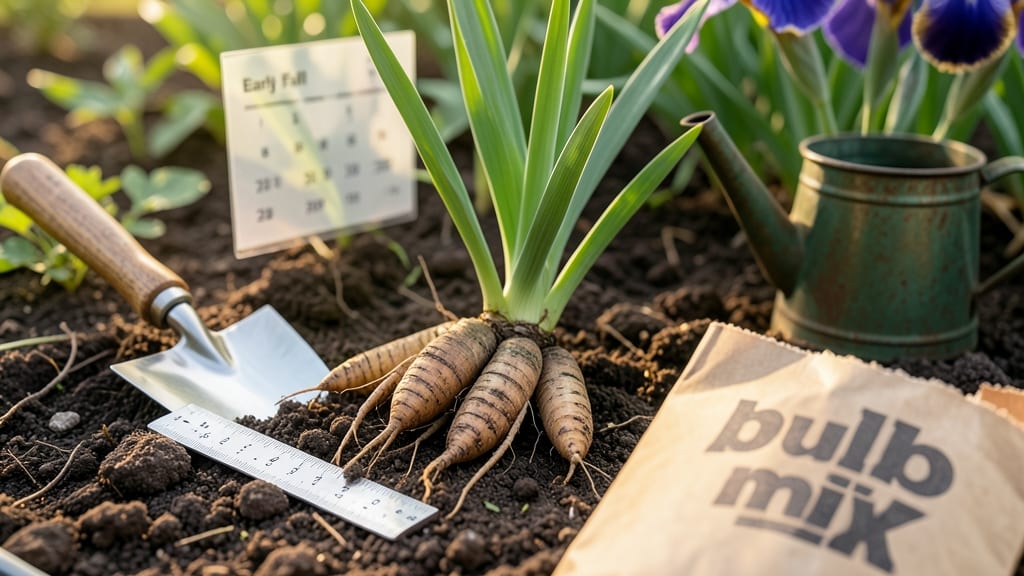
Planting iris bulbs at the wrong time in Zone 4 can leave you with weak, underperforming 🌸—or worse, no blooms at all. The key to vibrant irises lies in understanding your region’s last frost date, which for Zone 4 typically lands around mid-May.
While many gardeners default to spring planting, the ideal window for Zone 4 is actually late summer to early fall—specifically, 6-8 weeks before the first frost hits in September. This timing gives iris rhizomes (not true bulbs) the chance to establish strong roots before winter dormancy kicks in.
But here’s the catch: Zone 4’s cold climate demands extra care. Soil temperatures must stay above 50°F for successful root growth, and planting too early risks frost damage.
I’ll walk you through the exact weeks to plant, soil prep secrets, and how to protect your irises from Zone 4’s harsh winters.
Ready to transform your garden with bold, reliable blooms? Let’s dive into the science-backed schedule that’ll have your irises thriving year after year—no guesswork required.

Best weeks before last frost to plant iris bulbs in Zone 4
Iris rhizomes (often mistaken for bulbs) thrive in Zone 4 when planted at the perfect time—typically 6 to 8 weeks before your last frost date. For most Zone 4 regions, this means late August to early September, but timing depends on soil temperature and local climate.
Planting too early can lead to premature growth, while waiting too long risks weak root establishment before winter.
Zone 4’s short growing season demands precision. Unlike warmer climates, spring planting is risky—new growth can’t withstand late frosts. Focus instead on fall planting, when soil temperatures drop below 70°F (21°C) but remain above freezing. This window ensures roots anchor before dormancy sets in.
Your last frost date is critical—aim to plant 8 weeks before May 15 (the average for Zone 4). For example, if your last frost is May 10, plant by March 15.
However, soil temperature matters more than calendar dates. Use a soil thermometer to confirm it’s below 70°F (21°C) before planting.
Here’s the exact science behind the timing: Iris rhizomes need 4-6 weeks of root growth before winter. Planting too early (e.g., July) can trigger growth that freezes back. Waiting until mid-September risks insufficient root development. Balance is key—late August to early September is your sweet spot.
| Planting Window | Soil Temp | Zone 4 Region | Key Cue |
|---|---|---|---|
| Late August | 60-70°F (15-21°C) | Northern Zone 4 (e.g., Duluth, MN) | Daytime highs below 80°F (27°C) |
| Early September | 50-60°F (10-15°C) | Southern Zone 4 (e.g., Chicago, IL) | Foliage of neighboring perennials yellowing |
| Mid-September (edge case) | 40-50°F (4-10°C) | Late frost-prone areas | Soil thermometer confirms <60°F (15°C) |
Regional adjustments are crucial. In northern Zone 4 (e.g., Minnesota, North Dakota), plant by August 15 to avoid early frosts. In southern Zone 4 (e.g., Chicago, Detroit), you can extend to mid-September.
Check your local USDA Plant Hardiness Zone Map for microclimate nuances—urban areas may warm faster than rural zones.
Pro tip: Use natural seasonal cues like daylength and leaf color in nearby trees (e.g., maples turning yellow). These signals often align with ideal planting windows. Pair this with a soil thermometer for foolproof timing—60°F (15°C) is your target.
If you miss the fall window, spring planting is possible but risky. Only attempt it if your soil thaws by April 1 and you’re prepared to protect new shoots from late frosts.
Cover with frost cloth until danger of frost passes. However, fall planting guarantees stronger roots and better blooms the following spring.
Remember: Iris rhizomes are not true bulbs—they’re thickened underground stems. Plant them shallowly (3-4 inches deep) with the top visible. This ensures they photosynthesize even after planting. Pair this with well-draining soil to prevent rot—a common issue in Zone 4’s wet springs.
For container growing in Zone 4, plant in late August and move pots to a protected location (e.g., against a south-facing wall) before winter. Use fast-draining mixes with perlite or sand to mimic ideal conditions. Mulch heavily with straw or leaves to insulate roots.
Timing isn’t just about the calendar—it’s about balancing biology and climate. By planting iris rhizomes in late August to early September when soil cools but stays workable, you’ll give your plants the 6-week head start they need to thrive in Zone 4’s challenging winters. 🌸
Best weeks before last frost to plant iris bulbs in Zone 4
In Zone 4, timing your iris rhizomes (not true bulbs) is critical for survival through harsh winters and vibrant spring blooms. The ideal window is 6-8 weeks before your last frost date, typically late August to early September.
This timing ensures roots establish before winter dormancy while avoiding early cold snaps.
Zone 4's first frost usually arrives around September 15, so aim to plant by mid-August at the latest. Soil temperatures should be 50-60°F (10-15°C)—cool enough to signal dormancy but warm enough for root growth. Use a soil thermometer to verify before planting.
Here's why this window works: Iris rhizomes need 4-6 weeks to develop a strong root system before winter. Planting too early risks rot from warm, wet soils, while planting too late leaves them vulnerable to freeze damage before roots establish.
| Timing Factor | Zone 4 Specification | Why It Matters |
|---|---|---|
| Planting Window | Late August - Early September | 6-8 weeks before last frost |
| Soil Temp | 50-60°F (10-15°C) | Prevents rot while allowing root growth |
| Frost Buffer | 4-6 weeks before first frost | Ensures established roots |
| Depth | 3-4 inches (top visible) | Prevents rot in wet winters |
For northern Zone 4 (e.g., Minnesota, Maine), shift planting to early August to account for earlier frosts. In southern Zone 4 (e.g., Ohio, Pennsylvania), you can extend to mid-September. Always check your local last frost date—planting too late is riskier than planting early.
Pro tip: Mark your iris beds after planting to avoid disturbing them in spring. Use landscape fabric to suppress weeds while allowing water penetration—this is especially helpful in Zone 4's heavy clay soils that can smother young rhizomes.
Remember, iris rhizomes are not true bulbs—they're thick, fleshy roots that store energy. Planting them at the right time ensures they'll survive winter and reward you with bold blooms in spring, often appearing as early as April or May in Zone 4.