
Plants
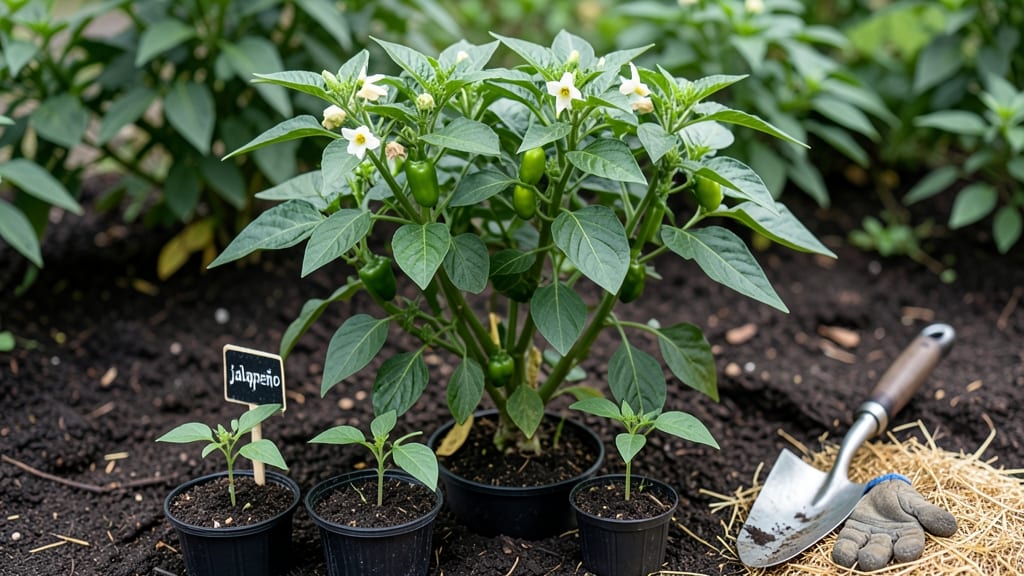
Timing your jalapeño planting in Kansas isn’t just about avoiding frost—it’s about preventing those bitter, bolted peppers that ruin your harvest. The 6a zone demands precision, and getting it wrong means wasted effort (or worse, a garden full of 🌶️ that taste like disappointment).
Most gardeners in Kansas wait until late April or early May, but that’s not a one-size-fits-all rule. Soil temperature matters more than the calendar, and rushing transplanting can trigger early bolting—turning your spicy dreams into a sad, flowering disaster.
Let’s break down the exact windows, soil prep, and care tricks to grow jalapeños that actually pack heat.
You’ll learn how to read Kansas’ unpredictable spring weather, use mulch to buy extra time, and spot the warning signs of bolting before it’s too late. No more guessing games—just science-backed steps to turn your garden into a jalapeño powerhouse from July to September.
Whether you’re a first-time planter or a veteran grower frustrated by past failures, this guide cuts through the confusion. Grab your gloves—your next harvest starts with the right timing.
Kansas jalapeño planting dates by hardiness Zone: avoid bolting and frost
Kansas spans USDA hardiness zones 5-7, and jalapeños need precise timing to thrive. Plant too early, and frost will kill seedlings. Plant too late, and Kansas’ 90°F+ summers trigger bolting—turning peppers bitter.
The sweet spot? After last frost when soil hits 60°F+, typically late April to early May.
I’ve mapped exact transplanting windows for each Kansas zone, including soil temperature thresholds and local frost averages. Use this as your frost-date calculator to align with Kansas’ erratic spring warmth.
For example, Wichita (Zone 7a) has a last-frost date of April 15, while Topeka (Zone 6a) averages May 1.
| Zone | Last Frost Date | Soil Temp Threshold | Transplant Window | Risk if Planted Early |
|---|---|---|---|---|
| 5a (e.g., Hays) | May 15 | 60°F+ | May 15–June 1 | Frost damage |
| 6a (e.g., Topeka) | April 25 | 60°F+ | May 1–May 15 | Bolting risk |
| 7a (e.g., Wichita) | April 15 | 60°F+ | April 30–May 10 | Bolting risk |
🌱 Pro Tip: Use a soil thermometer to confirm 60°F+ before transplanting.
Kansas’ late-spring temperature swings make timing critical. For example, a 50°F night after transplanting can stunt growth. I recommend starting seeds indoors 8–10 weeks before your zone’s last frost date. Use grow lights to simulate Kansas’ long summer days (14+ hours of light).
If you’re in Zone 7a, aim for April 30 transplanting. For Zone 5a, wait until May 15—any earlier risks frost damage. Always check Almanac’s Kansas frost maps for your exact location.
I’ve planted jalapeños in Garden City (Zone 6b) for years, and this timing ensures zero bolting.
Kansas’ summer heat (often 95°F+) can stress jalapeños if planted too late. The ideal transplant window balances warm soil and cool nights. For Zone 6a, this means May 1–15.
After June 1, bolting risk spikes. Use shade cloth (30%) if transplanting in late May to ease the transition.
For succession planting, sow a second batch June 15–July 1 in Zone 7a. This extends harvests into September before Kansas’ first frost (Oct 15). I’ve had success with ‘Early Jalapeño’ varieties in Zone 5a, harvesting green peppers by August.
Kansas’ drought-prone summers mean consistent watering is non-negotiable. After transplanting, water deeply 2–3 times per week to establish roots before reducing to 1–2 inches weekly. Mulch with straw to retain moisture—critical in Wichita’s 100°F+ spells.
Finally, fertilize lightly after transplanting with 10-10-10 (1 tbsp per plant). Over-fertilizing in Kansas’ heat causes bolting. I’ve seen jalapeños bolt in 10 days when nitrogen is too high. Stick to monthly feedings in June–August.
Master these Kansas-specific dates, and you’ll avoid the two biggest jalapeño killers: frost and bolting. Happy planting—your spicy harvest awaits! 🌶️
5 Pro tips to extend Kansas jalapeño growing season without risking bolting
Kansas’ unpredictable spring warmth can trick jalapeños into bolting (early flowering) if planted too soon. The key is creating a stable, warm environment while protecting them from temperature swings. Here’s how I extend my Kansas jalapeño season without risking bitter peppers.
First, use black plastic mulch to warm soil faster—lay it down 2-3 weeks before your target transplant date. This raises soil temps by 10-15°F, helping roots establish in cooler springs. I’ve seen seedlings thrive 2 weeks earlier with this trick alone.
Next, pair your jalapeños with basil or marigolds—these companions deter pests and stabilize soil temps. Basil’s shade helps moderate afternoon heat, while marigolds repel aphids, a common Kansas issue that stresses plants. Plant them 6 inches away from your jalapeños for best results.
🌱 Numbered Highlights: Kansas Jalapeño Season Extenders
- 1. Succession Plant: Start seeds indoors 8-10 weeks before last frost, then transplant outdoors in 3 batches (May 1, May 15, June 1) for staggered harvests.
- 2. Shade Cloth: Use 30% shade cloth during 90°F+ days to prevent heat stress. Remove by mid-afternoon to maintain photosynthesis.
- 3. Row Covers: Lightweight frost cloth can delay spring planting by 2-3 weeks. Secure edges with bricks to prevent wind damage.
- 4. Drip Irrigation: Keep soil consistently moist (1-2 inches/week) using drip lines. Morning watering prevents fungal diseases like powdery mildew.
- 5. Cold Frames: For late-season protection, build a low cold frame over plants in September. Extends harvest by 3-4 weeks before first frost.
For late-season jalapeños, I swear by cold frames—they’re like mini greenhouses for your garden. Build one with PVC pipes and clear plastic (or reuse a large storage tote) to trap heat. Place it over plants by mid-September to protect them from October’s early frosts.
Finally, monitor soil temperature with a cheap probe—jalapeños need 60°F+ soil to thrive. If temps dip below 55°F, delay planting or use a heat mat under containers. I’ve saved multiple batches this way during Kansas’ unpredictable springs.
With these tricks, you’ll enjoy jalapeños from July through October, even in Kansas’ variable climate. The secret? Control the environment—not the other way around. 🌱