
Plants
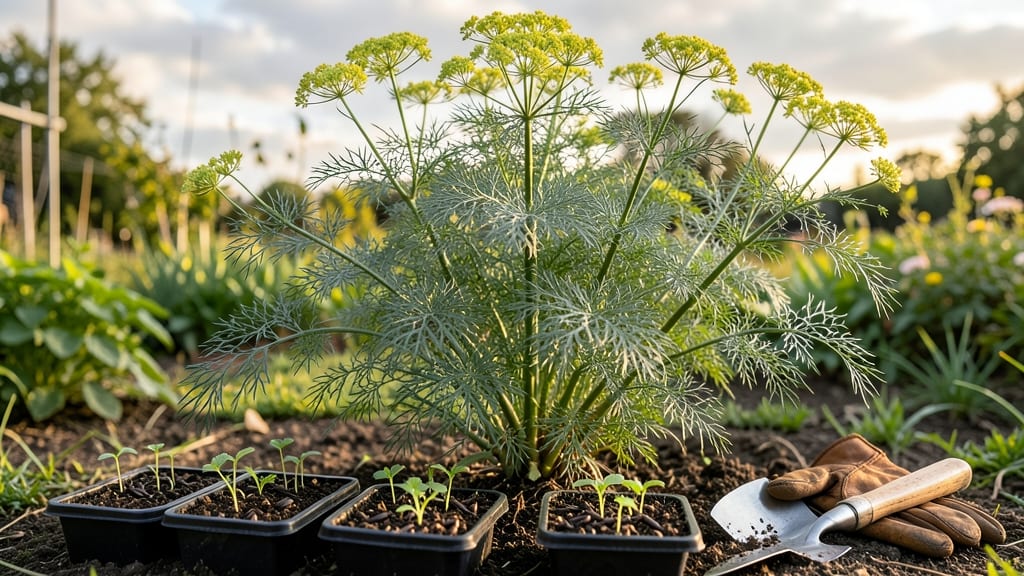
If you’ve ever planted dill 🌿 in Southern California only to watch it bolt and turn bitter before you could even harvest, you’re not alone—and the fix is simpler than you think.
The key lies in timing, and getting it right means the difference between lush, flavorful herbs and a sad, woody disappointment.
Southern California’s mild winters and warm summers create a unique growing window for dill, but planting at the wrong time can send your herb straight into bolting mode.
Whether you’re a coastal gardener in San Diego or an inland grower in the valleys, knowing the best months to plant ensures tender leaves and a continuous harvest from fall through spring.
In this guide, I’ll break down the science behind SoCal’s planting zones, including how microclimates like coastal fog or desert heat can shift your schedule. You’ll also discover pro tips to extend your harvest—like succession planting and shade hacks—to keep your dill thriving even when the sun gets too intense.
Ready to grow dill that’s bolting-free and bursting with flavor? Let’s dive into the exact months and techniques that’ll make your garden (and your dishes) shine.
Optimal planting windows for dill in SoCal: avoiding bolting and bitter flavors
Southern California’s mild winters and hot summers create a tricky balance for growing dill. Unlike northern climates, SoCal gardeners can plant dill year-round, but timing directly impacts whether your harvest stays tender and flavorful or bolts prematurely into bitterness.
The key is avoiding heat stress and long daylight hours, which trigger bolting.
Dill thrives in cooler temperatures between 50°F and 75°F. When daytime highs exceed 80°F, your dill will bolt within 2-3 weeks, sending up flower stalks and turning leaves bitter.
In Southern California, this means summer planting is risky unless you use shade strategies. The safest window? Fall through early spring, when temperatures stay mild.
Here’s the golden rule for SoCal dill planting: Start seeds 6-8 weeks before the first frost (though frost is rare in most of SoCal). Since we’re in USDA Zones 9b-11, that translates to late summer for fall crops and winter for spring harvests.
But don’t stop there—adjust for your microclimate.
| Planting Window | Best Months | Temperature Range | Key Tips |
|---|---|---|---|
| Fall Planting | September–November | 50°F–75°F | Start seeds indoors in August for early fall harvests; direct sow after September 15. |
| Winter Planting | December–February | 45°F–70°F | Sow seeds in containers for flexibility; coastal areas can plant earlier. |
| Spring Planting | March–April | 55°F–75°F | Use shade cloth if temps rise above 78°F; harvest before bolting. |
| Summer Planting (Risky) | May–August | Above 80°F | Only attempt with 50% shade cloth; expect bolting within 3 weeks. |
For coastal SoCal (e.g., San Diego, Santa Barbara), you can push planting 2-3 weeks earlier thanks to cooler ocean breezes. Inland areas like Los Angeles and Riverside should wait until October 1 to avoid summer heat.
The desert regions (Palm Springs, Joshua Tree) are the most challenging—dill struggles unless you use shade and frequent watering.
Pro tip: Succession planting every 2-3 weeks from September to March ensures a continuous harvest. Sow a new batch every 30 days to replace bolting plants. This works especially well in container gardens, where you can move pots to shadier spots as summer approaches.
Watch for flower stalks—this is your dill’s way of saying, “I’m bolting!” Once you see them, harvest immediately or the leaves will turn bitter. In SoCal, this happens fastest in June and July, so avoid planting then unless you’re prepared for shade solutions.
If you’re growing dill for seeds (not leaves), let it bolt naturally in late spring. The seeds are ready when the umbels turn brown. But for fresh leaves, always prioritize fall and winter planting to keep your dill tender and sweet.
For container growers, use pots at least 12 inches deep and 10 inches wide per plant. Dill has deep taproots, so containers must drain well. Place them in morning sun to avoid afternoon heat stress.
Remember: Dill is a biennial, meaning it grows leaves the first year and flowers/seeds the second. In Southern California, most dill plants self-seed if left to bolt. If you want fresh dill year-round, pull up bolting plants and replace them with new seedlings.
Optimal planting windows for dill in SoCal: avoiding bolting and bitter flavors
Southern California’s mild winters and hot summers create a tricky balance for growing dill. The key to avoiding bitter flavors and premature bolting lies in planting during the coolest months when temperatures stay below 75°F.
Dill thrives when days are shorter and nights are cooler—ideal conditions you’ll find from September through March.
If you plant too early in late summer, the heat will stress your seedlings, causing them to bolt quickly. Conversely, planting in late spring risks exposing dill to intense heatwaves, which turns leaves bitter and stunted.
The sweet spot is fall through early spring, when temperatures hover between 50°F and 70°F.
| Planting Window | Temperature Range | Key Considerations |
|---|---|---|
| September - October | 60°F - 75°F | Perfect for seedlings; avoid late-afternoon heat stress. |
| November - February | 50°F - 65°F | Ideal growth; minimal bolting risk; harvest continuously. |
| March | 55°F - 70°F | Last chance before heat stress; use shade cloth if needed. |
For coastal areas like San Diego, you can push planting slightly later into early April thanks to cooler ocean breezes. However, inland regions like Los Angeles or Riverside should stick to September through February to avoid heat-related bolting.
Even a few degrees above 80°F can trigger flowering too soon, ruining your leaf harvest.
Pro tip: Start seeds indoors 4-6 weeks before your target outdoor planting date. Dill germinates best in warm soil (70°F+), but seedlings can handle cooler air temperatures. Use grow lights or a sunny windowsill to give them a head start before transplanting.
Once outdoors, mulch around plants with straw or wood chips to keep soil temperatures stable. This helps prevent sudden temperature swings that can shock dill into bolting. Aim for well-draining soil mixed with compost—dill hates soggy roots but also struggles in rocky, nutrient-poor ground.
Harvest your dill before flowers appear for the best flavor. If you miss that window, the leaves will still be edible but lose their bright, fresh taste. With the right timing, you can enjoy continuous harvests from October through May, even in Southern California’s challenging climate.