
Plants
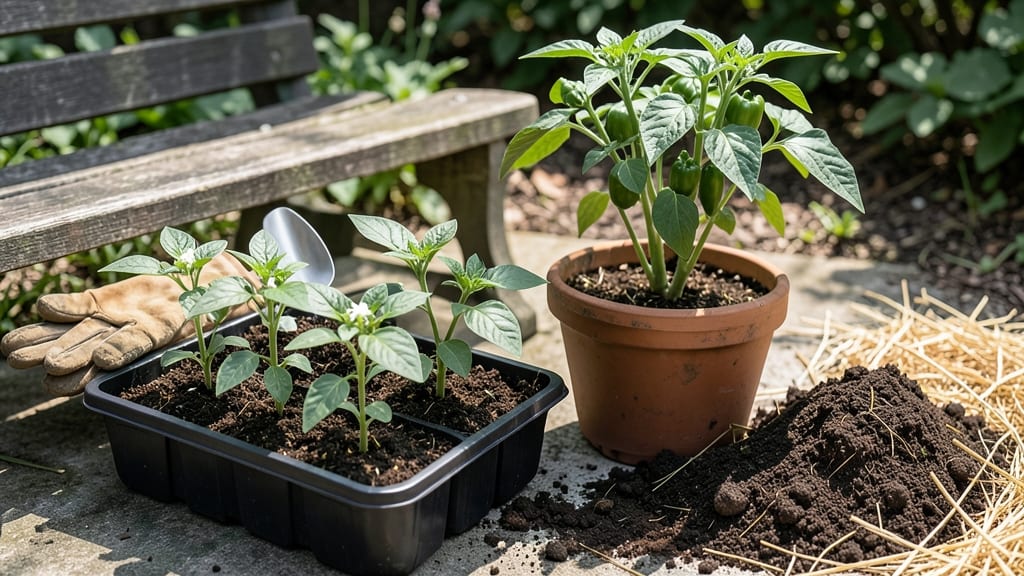
Timing when to plant jalapeños in Missouri isn’t just about avoiding frost—it’s about unlocking a harvest that’s bold, bountiful, and actually heat-tolerant.
With last frosts creeping into mid-April and first frosts arriving by October, getting those seeds in the ground (or under lights) at the right moment means the difference between zero-bolt peppers and sad, stunted plants.
You’ve got options: start seeds indoors 8-10 weeks before your last frost (that’s early March for most of the state) or wait until soil warms to 60°F for direct sowing—usually late April to early June.
But here’s the kicker: Missouri’s USDA zones 5b-6a demand precision. Plant too early, and your peppers bolt before they even think about fruiting. Plant too late, and you’ll be racing against fall’s chill.
I’ll break down the exact weeks for your region—whether you’re in St. Louis, Kansas City, or rural farmland—plus how to stretch your harvest with succession planting. No more guessing games: just data-driven timing to turn your garden into a jalapeño powerhouse from July to October.
Ready to ditch the trial-and-error? Let’s get those peppers growing on a schedule that works for your Missouri climate—so you can enjoy fresh, fiery harvests all season long.
Missouri’s jalapeño planting zones: frost dates by region
Missouri’s USDA zones 5-7 create a tricky balance for growing jalapeños. The difference between St. Louis (Zone 6a) and Kansas City (Zone 5b) can mean 2-3 weeks in your planting window.
Understanding these zones helps you avoid late frosts that can kill young plants or early frosts that cut your harvest short.
Jalapeños thrive in warm soil (65°F+) and need 120-150 frost-free days to mature. Missouri’s last frost dates range from April 15 in southern zones to May 1 in northern areas. First frosts arrive October 15-30, depending on elevation and microclimates.
Avoid the bolting risk—when jalapeños flower prematurely due to cold stress—by planting after your area’s average last frost. In Zone 5b, this means waiting until mid-May, while Zone 6a gardeners can start as early as late April.
Here’s how Missouri’s regions break down for jalapeño success:
| Region | USDA Zone | Avg Last Frost | Ideal Transplant Window | Harvest Window |
|---|---|---|---|---|
| Southern MO (Poplar Bluff) | Zone 7a | April 15 | Late April–May 1 | July–October 15 |
| Central MO (Columbia) | Zone 6a | April 25 | May 1–15 | July 15–October 1 |
| St. Louis | Zone 6a | April 20 | Late April–May 10 | July 10–September 30 |
| Kansas City | Zone 5b | May 1 | May 15–June 1 | August 1–October 10 |
| Northern MO (St. Joseph) | Zone 5a | May 10 | June 1–15 | August 15–September 20 |
For Zone 5b gardeners, consider row covers or greenhouses to extend your season. In Zone 7a, you can even try fall plantings for late-season peppers. Always check your local microclimate—urban areas like St. Louis may frost 1-2 weeks later than rural zones.
Missouri’s heat units (growing degree days) also matter. Jalapeños need 1,200-1,500 heat units to mature. Southern Missouri hits this by mid-July, while northern areas may not reach it until mid-August. Use a soil thermometer to confirm 60°F+ soil temps before transplanting.
Pro tip: Plant early-maturing varieties like ‘Early Jalapeño’ (60 days) in cooler zones. In Zone 6a, aim for transplanting by May 15 to avoid bolt risk. For Zone 5b, wait until after June 1 unless you’re using row covers.
Missouri’s elevation changes also affect frost
Jalapeño planting calendar: exact weeks for starts vs. transplants
Missouri gardeners know timing is everything—especially for jalapeños, which bolt (flower prematurely) when stressed by cold. Start seeds indoors 8-10 weeks before your last frost date (typically late February to early March for most of the state).
For direct sowing, wait until soil warms to 65°F+ (usually mid-May to early June), but use row covers if night temps dip below 50°F.
Use this heat-unit rule: Jalapeños need 900-1,000 growing degree days (GDD) to mature. Missouri’s Zone 5-6 regions hit this threshold by mid-July, so transplant jalapeños by June 1st for a full harvest. Late plantings (after June 15th) may only yield a few peppers before frost.
- 🌱 Late February – Start seeds indoors under grow lights (use seed-starting mix).
- 🌿 Mid-March – Transplant seedlings to 4-inch pots when true leaves appear.
- 🌡️ Late April – Harden off seedlings (acclimate to outdoor temps) for 1 week.
- 🌱 Early May – Set out transplants after last frost (soil temp ≥60°F).
- 🌱 Mid-May – Direct-sow seeds outdoors if soil is 65°F+ (use black plastic mulch to warm soil faster).
- ✂️ June 15th – Last recommended transplant date for full-season harvests.
Pro tip: Use biodegradable pots for seedlings to avoid root disturbance during transplanting. Place pots directly in the ground—they’ll break down and nourish the soil. For direct sowing, scatter seeds ¼-inch deep and thin seedlings to 18 inches apart once they’re 3-4 inches tall.
Missouri’s Kansas City area (Zone 6a) can push transplanting to June 10th, while St. Louis (Zone 6b) has a slightly longer window. Rural areas in Zone 5b should stick to May 15th transplants to avoid frost risk. Always check your local Missouri Climate Center for updates.
Watch for pepper maggots when soil warms—cover seeds with row fabric until sprouts emerge. Once established, mulch with straw to retain moisture and suppress weeds. Your jalapeños will reward you with spicy harvests from July through October if you nail these dates.
Need a backup plan? Save seeds from your best peppers for next year—jalapeños are self-pollinating and retain flavor well. Store dried seeds in a cool, dark place for up to 3 years.