
Plants
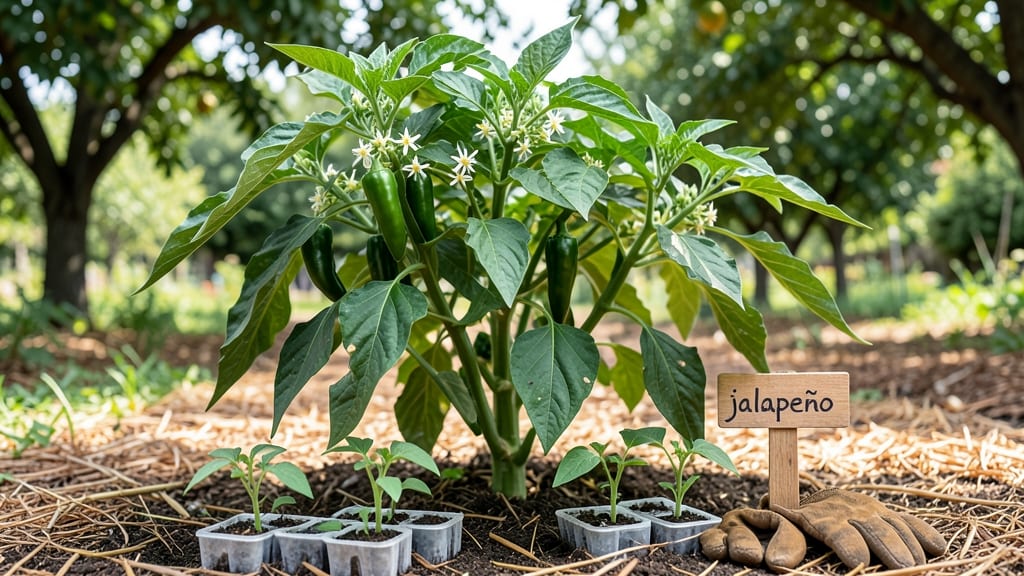
Timing your jalapeño planting in Oregon could mean the difference between a bountiful harvest and a sad, wilted garden. With the right window—typically late April to early June—you’ll ensure your 🌶️ thrives in the state’s varied climate, from the Willamette Valley’s humidity to the desert’s dry heat.
Oregon’s USDA zones 7b-9a bring unique challenges, like unpredictable late frosts or short summers, but knowing when to plant gives you the edge. Whether you’re starting seeds indoors or transplanting seedlings, the key is patience—waiting until soil warms to 60°F and all frost risk fades.
In this guide, I’ll break down the exact planting timeline for your zone, plus pro tips to extend your growing season if needed. From coastal microclimates to inland areas, you’ll learn how to protect your peppers and maximize your harvest from July to October.
Ready to grow fiery, flavorful jalapeños all season? Let’s dive into the perfect planting schedule tailored just for Oregon gardeners like you.
Oregon’s frost-free planting zones for jalapeños: when to start seeds indoors vs. transplanting outdoors
Oregon’s diverse climate—from the cool, wet Willamette Valley to the dry high desert—means jalapeño planting times vary dramatically. In Zone 7b (eastern Oregon), you’ll plant 4-6 weeks later than in Zone 9a (Medford). The key is knowing your last frost date and adjusting your timeline accordingly.
Jalapeños are warm-season crops that cannot tolerate frost. Even a light freeze will kill seedlings, so timing is everything. Most Oregon gardeners start seeds indoors 8-10 weeks before their last frost date, then transplant after May 15 in most regions.
For coastal areas (like Astoria or Cannon Beach), this might mean waiting until early June.
Here’s how Oregon’s USDA zones break down for jalapeños, including when to start seeds and transplant outdoors:
| Zone | Last Frost Date | Start Seeds Indoors | Transplant Outdoors | Notes |
|---|---|---|---|---|
| 7b (Eastern OR) | May 1-15 | March 1-15 | May 15-30 | Dry heat; water deeply. |
| 8a (Central OR) | April 15-May 1 | February 15-March 1 | May 1-15 | Moderate humidity; watch for fungal diseases. |
| 8b (Portland Area) | April 1-15 | February 1-March 1 | April 30-May 15 | Cooler springs; use row covers if late frosts occur. |
| 9a (Southern OR) | March 15-April 1 | January 15-February 15 | April 15-May 1 | Longer growing season; can plant earlier. |
For coastal Oregon (e.g., Newport or Coos Bay), add 2-4 weeks to these timelines due to colder ocean breezes. Conversely, high desert areas like Bend or Prineville can plant 1-2 weeks earlier thanks to warmer days and cooler nights.
Pro tip: Use a soil thermometer to confirm soil temps are at least 60°F (15°C) before transplanting. Jalapeños won’t germinate in cold soil, and slow growth leads to smaller peppers. If your soil is still chilly, consider black plastic mulch to warm it up faster.
If you’re in Zone 7b or 8a, don’t rush to plant! Jalapeños hate cold snaps, and a late-May frost can wipe out your entire crop. Monitor local weather forecasts and have row covers ready to protect seedlings if temperatures dip below 50°F (10°C).
For Portland and the Willamette Valley, aim to have transplants ready by late April. The first true leaves should appear 10-14 days after germination, and plants should be 4-6 inches tall before going outdoors. Harden off seedlings 7-10 days before transplanting to avoid shock.
Remember: Jalapeños thrive in heat, so the earlier you plant, the longer your harvest window. In Zone 9a, you might even get two harvests—one in summer and another in fall—if you succession plant every 2-3 weeks.
🌱
How to extend your jalapeño growing season in Oregon: cold protection tips for early or late planting
Oregon’s unpredictable spring frosts can delay your jalapeño harvest by weeks—but with the right strategies, you can push planting windows and enjoy peppers earlier or later in the season.
I’ve grown jalapeños in Zone 8 Portland and Zone 9 Medford, and these cold-protection methods have saved my harvests from late frosts every time.
For early planting (as soon as March in Zone 8), start seeds indoors under grow lights or in a heated greenhouse. This gives seedlings a head start before transplanting after your local last frost date.
In cooler coastal areas, extend the season by using row covers or cold frames to protect young plants until soil warms to 60°F+.
🌱
⚠️ Late Frost Warning: Protect Your Transplants!
Even after your average last frost, late frosts can strike in Oregon—especially in high desert regions like Bend or coastal valleys like Astoria. Use these quick fixes:
- Row covers: Lightweight fabric lets sunlight through while blocking -28°F temps.
- Cold frames: Raise soil temps by 10-15°F on chilly nights.
- Black plastic mulch: Warms soil 5-10°F faster than bare ground.
- Windbreaks: Shield plants from drying winds that stress young jalapeños.
Pro tip: Monitor forecasts via NOAA’s Frost Advisory and cover plants if temperatures drop below 32°F.
If you’re planting late in the season (after June), focus on heat-tolerant varieties and drip irrigation to keep roots cool.
In Zone 7 areas like Eugene, you might only have 120 frost-free days, so prioritize fast-maturing varieties (like ‘Early Jalapeño’, which harvests in 60 days) over slower growers.
For container growing (ideal for urban Oregon gardens), use black pots to absorb heat and move containers to sunniest spots during cool mornings. Add mulch around the base to insulate roots—this keeps soil 5°F warmer than bare ground.
My go-to