
Plants
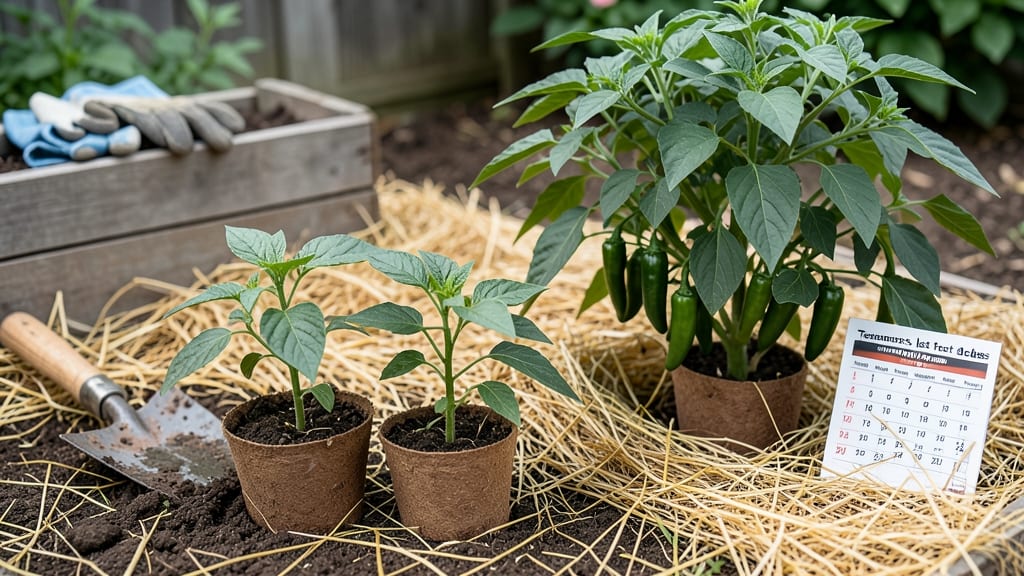
Timing your jalapeño planting in Tennessee isn’t just about following a calendar—it’s about beating frost and heat waves to grow fiery 🌶️ peppers that actually ripen. One wrong move, and you’ll either lose your plants to late frosts or watch them struggle in summer’s brutal humidity.
The difference between a bumper crop and a sad garden comes down to knowing exactly when to plant.
Most Tennessee gardeners wait until mid-April to early June, but that’s not a one-size-fits-all answer. East Tennessee’s cooler highlands need a later start than Nashville’s urban heat islands, and West Tennessee’s longer summers can stretch your growing season.
I’ll break down the exact frost dates and soil temperature thresholds you need to hit for success—no guesswork, just science-backed timing.
You’ll also discover how to work with Tennessee’s quirks: extending your season with row covers, choosing heat-tolerant varieties, and avoiding the common mistakes that leave gardeners scratching their heads in August.
Whether you’re a first-time planter or a spice-loving veteran, these strategies will help you grow peppers that actually reach harvest time.
Ready to turn your garden into a spice factory? Let’s dive into the frost-date calendar and planting hacks that’ll give your jalapeños the best shot at thriving—no matter where you are in the state.
Jalapeño planting calendar by Tennessee frost zones (5a-7b)
Tennessee’s diverse climate means your jalapeño planting window can vary by 500 miles—from the Appalachian Mountains to the Mississippi River Valley. The key is knowing your last frost date, which shifts from late March in West TN to mid-May in East TN.
I’ll break down the perfect timing for each region so you can avoid frost damage and maximize your spicy harvest.
Jalapeños thrive in warm soil (60°F+) and need 90+ frost-free days to mature. Tennessee’s USDA Zones 5a-7b create microclimates where a 3-week difference in planting can mean the difference between a bountiful crop and a failed attempt. Let’s dive into the specifics for your corner of the state.
🌱 NOTE: This calendar assumes you’re transplanting started seedlings (not direct sowing). For direct sowing, add 2-3 weeks to these dates.
| Region | Last Frost Date | Ideal Transplant Window | First Harvest Window | Heat-Tolerant Varieties |
|---|---|---|---|---|
| West TN (Memphis, Nashville) | Late March | April 15–May 1 | July 15–August 15 | ‘Early Jalapeño’, ‘Red Jalapeño’ |
| Middle TN (Chattanooga, Knoxville) | Early April | April 20–May 10 | July 20–September 1 | ‘Big Jim’, ‘Carolina Reaper’ (with care) |
| East TN (Bristol, Johnson City) | Mid-April | May 1–May 15 | August 1–September 15 | ‘Jalapeño M’, ‘Super Jalapeño’ |
| High Altitude (Great Smoky Mtns) | Late April–Early May | May 15–June 1 | September 1–October 1 | ‘Early Jalapeño’, ‘Poblano’ (similar heat tolerance) |
If you’re in West Tennessee, you can push your luck with early varieties planted by April 1, but wait until May 1 in East Tennessee to avoid frost. High-altitude areas like the Smoky Mountains are trickier—consider container growing for extra heat control.
For direct sowing (planting seeds directly in the ground), add 2-3 weeks to these transplant dates. Seeds need 75-90 days to maturity, so late starts risk immature peppers before frost. I recommend starting indoors in March for all regions to give yourself flexibility.
Don’t forget: Jalapeños love heat, so aim for late spring planting. If you plant too early, your plants will bolt (flower prematurely) or get fungal diseases from Tennessee’s humid springs.
The ideal soil temp is 70-85°F—wait for that, and your peppers will reward you with bold flavor.
🌿 Regional Tip: West TN gardeners can try a second planting in early June for a late-season harvest, while East TN growers should focus on early-maturing varieties to beat the fall frost.
To track your local frost dates, check the Old Farmer’s Almanac or your local Cooperative Extension Service. They provide hyper-local data that can shift your planting window by 1-2 weeks.
Once you’ve nailed the timing, your next challenge is protecting your plants from Tennessee’s unpredictable summer storms—but that’s a topic for our next section!
How to extend your jalapeño growing season in Tennessee
Tennessee’s short growing season can feel like a race against time for jalapeños, but with the right tricks, you can stretch harvests from summer into early fall—or even start earlier. The key is protecting young plants from late frosts and shielding mature plants from sudden cold snaps.
I’ve learned that even a few extra weeks of growth can mean a bigger, spicier harvest!
For gardeners in East Tennessee’s cooler microclimates, cold frames and row covers are game-changers. These simple tools can add 2-4 weeks to your growing window by trapping heat and shielding plants from 30°F+ dips.
In West Tennessee’s warmer zones, heat-resistant varieties like ‘Early Jalapeño’ or ‘NuMex Sandia’ thrive even when temperatures climb past 90°F.
Here’s how I extend my jalapeño season—without breaking the bank or my back:
Don’t forget to prune suckers (those little shoots in the V of the plant) to redirect energy into fruit production. I also pinch off the first few flowers to encourage bushier growth—trust me, it pays off with more peppers later in the season!
With these tricks, I’ve pushed my jalapeño harvest from July to mid-October, even in Tennessee’s unpredictable climate. The secret? Planning ahead and giving your plants the tools to thrive in whatever weather comes their way. 🌶️