
Plants
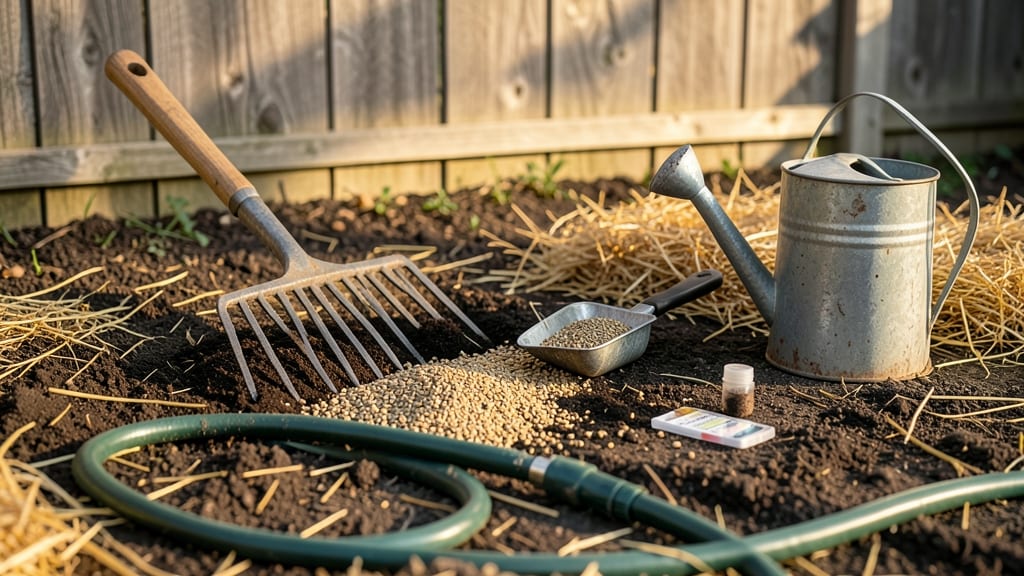
Timing your grass seed planting in East Tennessee isn’t just about picking a date—it’s about outsmarting the region’s tricky weather. One week too early, and frost will nip your seedlings before they take root. One week too late, and summer heat will dry out your efforts before they even sprout.
The difference between a lush, green lawn and months of frustration often comes down to knowing exactly when to pull the trigger.
In USDA zones 6a-7a, where last frosts linger until mid-April and temperatures swing wildly, the ideal planting windows are narrow but critical. Cool-season grasses like tall fescue—East Tennessee’s favorite—thrive when soil temps hit that sweet spot between 50°F and 65°F.
That means early spring or late fall, when the ground is warm enough to encourage germination but cool enough to prevent stress. Miss this window, and you’re either battling weeds or watching your seed money blow away in the wind.
But here’s the kicker: not all grass behaves the same. Bermuda grass, for example, waits until the soil warms to 60°F+—usually late spring—while fescue can handle cooler conditions.
If you plant at the wrong time, you’re not just wasting seed; you’re inviting crabgrass and other weeds to move in while your lawn plays catch-up. The good news?
With the right timing and a few smart prep steps, you can turn East Tennessee’s unpredictable climate into your lawn’s biggest advantage.
I’ll walk you through the exact soil temperature thresholds, frost-free deadlines, and microclimate tweaks that separate successful lawns from the ones that leave neighbors shaking their heads. Let’s get your grass off to the right start—no guesswork, just green.
Best planting windows in East Tennessee based on soil temperature and frost dates
East Tennessee’s USDA Zones 6b-7a create a unique challenge for grass seed planting. Unlike predictable climates, our region swings between late frosts in April and early freezes by October, forcing precise timing.
The best windows center on soil temperatures between 50°F and 65°F, where seeds germinate reliably without heat stress or frost damage.
For cool-season grasses (like tall fescue and Kentucky bluegrass), aim for early spring (March-April) or late summer/fall (September-October). Warm-season grasses (like Bermuda) need late spring (May-June) when soil hits 60°F+. Missing these windows risks patchy germination or seedling loss from extreme heat or cold.
Here’s how to align your planting with East Tennessee’s microclimates. Valley areas (like Knoxville) warm faster in spring but may face late frosts until May 15. Higher elevations (like Tellico Plains) stay cooler, delaying ideal planting until mid-April or later.
Always check local frost-free dates—Knoxville averages April 15, while Chattanooga leans toward April 1.
🌱
| Planting Window | Soil Temp | Last Frost Risk | Best Grass Types |
|---|---|---|---|
| Early Spring (March-April) | 50-60°F | Low (post-April 15) | Tall Fescue, Kentucky Bluegrass |
| Late Spring (May-June) | 60°F+ | None | Bermuda, Zoysia |
| Fall (September-October) | 55-65°F | Low (pre-October 15) | Tall Fescue, Fine Fescue |
Spring planting in East Tennessee demands patience. Rushing seeds into cold, wet soil (below 50°F) triggers rot before germination. Use a soil thermometer—wait until temperatures hold steady at 55°F+ for 5 days.
For fall, stop by October 15 to avoid early frosts, which can kill tender seedlings overnight.
Pro tip: Test your soil first. East Tennessee’s clay-heavy soils often need compost or sand to improve drainage. Aim for a pH of 6.0-7.0—most grass seeds struggle outside this range. Adjust with lime (to raise pH) or sulfur (to lower pH) 4-6 weeks before planting.
If you’re in a shaded yard (common in East Tennessee’s wooded areas), prioritize fine fescue or creeping red fescue. These varieties tolerate 2-4 hours of direct sun and outperform Kentucky bluegrass in low-light conditions.
For sun-drenched lawns, tall fescue blends dominate due to their drought resistance and deep root systems.
🌿
Remember: Fall is the golden window for cool-season grasses. Seeds germinate in 60-70°F soil, grow roots before winter, and outcompete weeds next spring. Spring planting? Be ready to water daily until grass reaches 3 inches tall—East Tennessee’s hot, dry winds can dry out seedlings in days.
Finally, avoid planting in summer unless you’re sowing warm-season grasses. The 90°F+ soil common in July-August can scorch seeds before they sprout. If you must plant in summer, use a shade cloth and mulch heavily to retain moisture.
How to adjust your planting schedule for East Tennessee’s unique weather patterns
East Tennessee’s unpredictable spring and early fall frosts can turn your grass seed into a gamble if you don’t adjust your schedule. Unlike milder climates, the region’s USDA Zones 6b-7a demand flexibility—especially in valleys like Knoxville, where cold air pools, or higher elevations near Gatlinburg, where frosts linger longer.
I’ve learned the hard way that planting too early risks seed rot, while waiting too late invites weeds to steal your space.
Start by checking your local last frost date. While Knoxville averages mid-April, mountain areas like Sevierville can see frost into early May. Use a soil thermometer to confirm temperatures stay above 50°F for cool-season grasses or 60°F+ for warm-season varieties.
Pro tip: Plant 4-6 weeks before your average first frost in fall to give seedlings time to establish roots before winter dormancy.
⚠️ Watch Out for These East Tennessee Pitfalls
- Late springs: Don’t rush—wait until soil warms to 55°F+ for cool-season grass.
- Early frosts: Avoid planting warm-season grass after August 15 in most areas.
- Drought spikes: September-October often brings dry spells—keep seed moist with daily watering until germination.
🌱 Action Step: Test soil moisture weekly—top 1-2 inches should stay damp but not soggy.
For valley gardens, plant 2 weeks earlier than higher elevations. Cold air sinks, so seed in lower areas like Maryville can sprout weeks before mountain slopes.
If your yard has partial shade (common in East Tennessee’s mixed hardwood forests), opt for fine fescue—it tolerates cooler soils better than Kentucky bluegrass.
Mulching with straw (not wood chips) after planting helps retain moisture and insulate seeds from temperature swings. I’ve seen 30% better germination rates in mulched areas during East Tennessee’s spring heat waves. Just avoid mulching too thickly—¼ inch max—to prevent smothering young shoots.
If you miss the ideal window, don’t panic. September is your backup month for cool-season grass. The humidity drops and soil stays warm enough for root growth, but avoid planting after October 15—seedlings won’t have time to harden off before winter.
For warm-season grasses like Bermuda, late May to early June is your only shot, but be ready to water daily until establishment.
Remember, East Tennessee’s microclimates mean your neighbor’s perfect timing might fail for you. Use local weather apps (like Almanac’s Frost Calculator) and observe your yard’s patterns for 3 years to refine your schedule.
Patience here pays off—your lawn will thank you with deeper roots and fewer weeds next spring. 🌿