
Plants
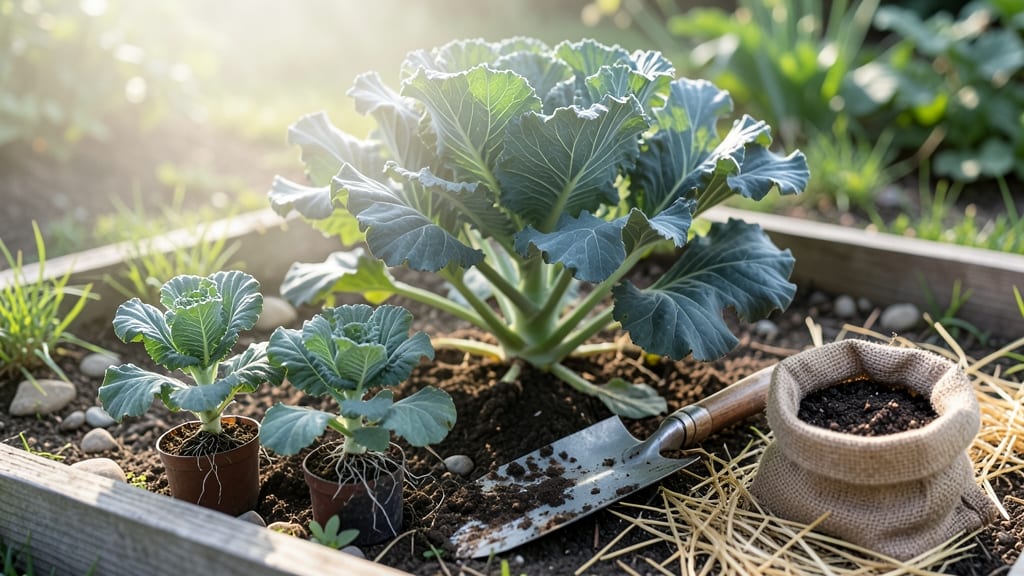
Timing your kale planting just right in Alabama is the secret to avoiding bitter, bolted greens and enjoying sweet, crisp harvests all year. With Alabama’s 7b-8a climate, you’ve got two prime chances to grow this nutrient-packed 🥬—but getting the dates wrong means wasted effort.
Most gardeners assume spring is the only window, but fall plantings actually give you the earliest and sweetest harvests. I’ll show you exactly when to start seeds in August for winter kale that thrives through Alabama’s mild winters, plus how to stretch your spring crop into summer.
What makes Alabama different? Humidity and heat can trigger bolting faster than in cooler regions, so I’ll share the exact temperature thresholds to watch. Whether you’re in coastal Mobile or inland Birmingham, these timing tips will help you beat the heat and frost for perfect kale every season.
Ready to grow kale that tastes better than store-bought? Let’s dive into the ideal planting schedule that works for your Alabama garden, plus pro tips to keep your plants happy from seed to harvest.
Optimal planting windows for kale in Alabama’s zones 7b-8a
Alabama’s mild winters and hot summers create unique challenges for growing kale. Unlike northern climates, we can’t just plant once and forget—success depends on timing temperature thresholds and regional microclimates. The key? Two bolt-resistant planting windows: early spring and late summer.
Kale thrives in cool weather (50-75°F) but bolts (goes to seed) when days warm above 80°F. In Alabama’s Zones 7b-8a, this means avoiding summer heat while capitalizing on our extended growing season. Let’s break down the perfect planting windows for your region.
🌱 Visual Guide: Alabama Kale Planting Timeline
| Season | Planting Window | Key Temperature | Regional Adjustments |
|---|---|---|---|
| Spring | Mid-February to early April | Soil 40-50°F, air 50-70°F | Coastal areas: plant 2 weeks earlier; inland: wait until March |
| Fall | Late August to early September | Soil 55-65°F, air 65-75°F | Northern AL: push to mid-September; southern AL: start by August 15 |
| Winter (Overwinter) | October (for harvest Dec-Feb) | Soil 45-55°F, air 40-60°F | Use row covers for frost protection (Zone 7b) |
For spring plantings, aim to harvest before Alabama’s last frost (typically mid-March in Zone 7b, later in Zone 8a). Start seeds indoors 4-6 weeks before your target date if you’re impatient—just be ready to harden off seedlings before transplanting.
My fall favorite is planting in late August. This gives kale time to establish roots before temperatures drop, and you’ll harvest sweet, tender leaves through December. In southern Alabama (Zone 8a), you might even get a light winter harvest before bolting in early spring.
Pro tip: Use shade cloth (30-50%) during Alabama’s hot afternoons (April-May) to prevent bolting. Even a 30% shade cloth can buy you 2-3 extra weeks of harvestable kale when temps flirt with 85°F.
Don’t overlook succession planting! In Alabama’s climate, you can stagger plantings every 2-3 weeks from February to September. This ensures a continuous supply of fresh kale without the bitter bolt risk that comes from planting all at once.
Remember: Northern Alabama (e.g., Huntsville, Zone 7b) has earlier frosts than southern Alabama (e.g., Mobile, Zone 8a). Adjust your timeline by 1-2 weeks based on your local last frost date. Check the Alabama Cooperative Extension maps for precise data.
Finally, soil temperature matters more than air temperature. Use a soil thermometer to confirm your planting window—kale roots struggle in cold, wet soil below 40°F. Aim for 50°F+ for reliable germination.
With these Alabama-specific windows, you’ll avoid the common pitfalls of bitter bolts and maximize your harvest. Next, we’ll cover how to extend your kale’s season even further using shade and mulch—critical for our humid, hot summers! 🌿
Optimal planting windows for kale in Alabama’s zones 7b-8a
Alabama’s mild winters and hot summers create perfect conditions for two kale crops per year—but timing is everything. Plant too early, and heat triggers bolting (flowering). Plant too late, and frost ruins tender leaves.
The sweet spot? Mid-February to early April for spring and August to September for fall, with adjustments for your microclimate.
Coastal areas like Mobile (Zone 8a) have longer frost-free seasons (up to 240 days), while inland Birmingham (Zone 7b) faces earlier frosts (210 days). Use your last average frost date (mid-March in most of Alabama) as your guide.
For spring plantings, start seeds 4-6 weeks before that date, while fall crops should be in the ground 8-10 weeks before the first frost (late November).
🌱Pro Tip: Check Alabama’s Agriculture & Industry frost maps for real-time updates. Coastal zones can sometimes push spring plantings into early April, while inland gardeners should finish by mid-March.
| Season | Planting Window | Key Temperature Thresholds | Microclimate Adjustments |
|---|---|---|---|
| Spring | Mid-February to early April | Soil: 40°F+ | Air: 50°F+ | Coastal: Extend to early April; Inland: Finish by mid-March |
| Fall | August to September | Soil: 70°F+ | Air: 60°F+ | Coastal: Start by mid-August; Inland: Start by early August |
| Overwintering | September to October | Air: 30°F+ (with protection) | Use row covers for Zone 7b; Coastal areas may survive uncovered |
For spring plantings, aim to harvest before summer heat sets in (June temperatures often exceed 90°F). Kale bolts when daytime temps hit 75°F+ for 3+ days. Fall crops, however, thrive in Alabama’s cool, humid winters, with sweetest flavors developing after light frosts (28-32°F).
🌡️Watch for: Heat waves in May (common in Alabama) or unexpected late frosts in March. Use shade cloth or row covers to protect young plants during temperature swings. Inland gardeners should also consider succession planting every 2-3 weeks in spring for staggered harvests.
Remember: Slow growth = sweeter kale. Alabama’s humidity means kale grows faster than in drier climates, so space plants 12-18 inches apart to prevent disease. With the right timing, you’ll enjoy harvests from October through February—just in time for Alabama’s cooler months!