
Companion Plants
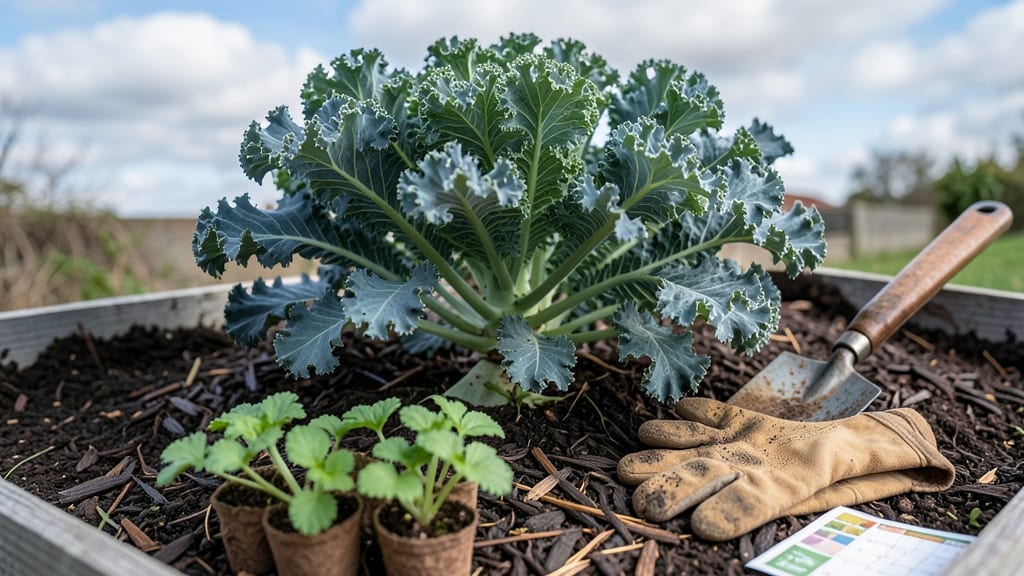
Timing your kale planting in Pennsylvania can mean the difference between a thriving garden and a disappointing harvest. With the right schedule, you'll enjoy crisp, flavorful 🥬 leaves all season long—whether you're sowing in early spring or late summer.
Pennsylvania's USDA zones 5-7 offer two perfect planting windows: March-April for spring harvests or August-September for fall crops. These timing tricks help kale beat the heat and frost, giving you fresh greens from June through November.
What makes kale so rewarding is its ability to thrive in cool weather, making it a garden superstar. I'll show you how to align your planting with Pennsylvania's climate to avoid common pitfalls like bitter leaves or stunted growth.
Ready to grow kale that tastes sweeter and lasts longer? Let's dive into the exact planting schedule that works for your region, plus pro tips to extend your harvest well into winter.
Best planting windows for kale in Pennsylvania’s climate zones
Pennsylvania’s USDA Zones 5-7 create a unique opportunity to grow kale year-round, but timing is everything. The cool-season crop thrives when temperatures hover between 45°F and 75°F, making spring and fall your best planting windows.
Plant too early, and frost will damage seedlings; too late, and heat will make leaves bitter. Let’s break down the exact months for each planting window.
For spring planting, aim for 2-3 weeks after your last frost date, typically around mid-April in most of PA.
This gives seedlings time to establish before summer heat arrives. Fall planting should happen 4-6 weeks before your first frost, usually late August to early September, so kale matures before winter sets in. These windows ensure sweet, tender leaves without bolting.
Here’s how Pennsylvania’s microclimates affect planting:
If you’re in Zone 7, you can even try an early spring planting in March under row covers for a head start. Winterbor kale is my top pick for PA gardens—it handles light frosts and tastes sweeter after a cold snap.
For summer heat, avoid planting after June 15; the leaves will turn bitter and bolt prematurely.
Pro tip: Use a planting calendar to track your local frost dates. The Penn State Extension offers free frost date maps for PA counties. Mark your calendar for April 15 (last frost) and October 15 (first frost) as your outer limits, then adjust based on your specific microclimate.
For continuous harvests, stagger plantings every 2-3 weeks during your ideal windows. This ensures you always have fresh leaves ready to pick, whether you’re prepping for winter storage or summer salads. Just remember: kale loves cool weather, so avoid planting when daytime temps exceed 80°F.
Soil temperature matters too. Kale seeds won’t germinate well below 40°F, so wait until soil warms to at least 45°F in spring. In fall, soil can stay cool longer—plant when it’s 50°F or warmer for best results. Use a soil thermometer to check if you’re unsure.
One final tip: If you’re starting seeds indoors, begin 4-6 weeks before your outdoor planting date. Use grow lights to provide 12-14 hours of light daily until seedlings are ready to transplant. Harden them off for 5-7 days before moving to the garden to avoid shock.
With these precise planting windows, you’ll enjoy homegrown kale from late spring through winter—no bitter surprises here! 🥬
Best planting windows for kale in Pennsylvania’s climate zones
Pennsylvania’s USDA Zones 5-7 create perfect conditions for growing cold-hardy kale, but timing is everything. The last spring frost typically arrives around April 15, while the first fall frost hits about October 15. These dates mark your planting windows for maximum harvest success.
For spring plantings, aim to sow seeds 2-3 weeks after your area’s last frost date. This usually lands in late April or early May for most of PA. Varieties like Winterbor and Lacinato thrive in cooler weather, so don’t wait too long—hot summer temperatures can make leaves bitter.
| Planting Window | Best Varieties | Key Timing Tips | Harvest Window |
|---|---|---|---|
| Early Spring (March-April) | Winterbor, Red Russian | Start seeds indoors 4-6 weeks before last frost; transplant after soil reaches 40°F. | June-October |
| Late Summer (August) | Lacinato, Dwarf Blue Curled | Sow seeds 6-8 weeks before first frost; use row covers for early protection. | October-November |
| Early Fall (September) | Vates, Scarlet | Plant 4-6 weeks before first frost; mulch heavily for winter protection. | November-December |
Fall plantings offer a longer harvest window because kale sweeten in cold weather. Start seeds in late July or early August for a September-October harvest, or transplant young plants in mid-August to enjoy greens through winter. In Zone 5 areas, use row covers to extend harvests until December.
If you’re in Zone 7, you can push fall plantings even later—some gardeners sow seeds in early September for a November-December harvest. Just monitor frost forecasts and protect plants with mulch or cold frames once temperatures dip below 25°F.
For succession planting, sow new seeds every 2-3 weeks from spring through early summer. This ensures a continuous supply of fresh leaves while avoiding the bolting that occurs when days get too long and hot. In PA’s climate, this strategy works best from March through June.
Pro tip: Use biodegradable pots for transplanting to avoid disturbing roots. This is especially helpful in PA’s clay-heavy soils, which can compact easily. Always amend soil with compost before planting to improve drainage and nutrient availability.