
Plants
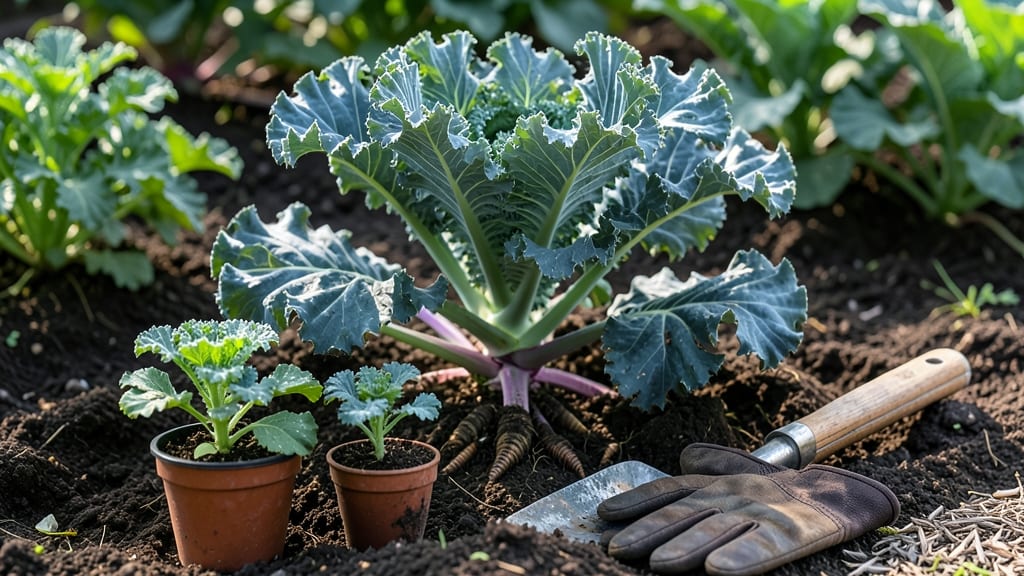
Timing your kale planting in Colorado can mean the difference between a thriving 🥬 harvest and a bolted disappointment—especially when dealing with the state’s unpredictable frost dates and microclimates. One wrong move, and your plants might either freeze before reaching maturity or shoot up flower stalks way too early, ruining their tender flavor.
What most gardeners don’t realize is that Colorado’s diverse elevations—from the Front Range to the Western Slope—create wildly different planting windows. A March start might work perfectly in Denver, while high-altitude areas like Steamboat Springs need to wait until late April to avoid frost damage.
The key? Understanding your specific zone’s last frost date and heat tolerance of your kale variety.
In this guide, I’ll break down the exact planting deadlines for your microclimate, whether you’re direct-seeding or transplanting. You’ll also discover how to stretch your growing season with simple tricks like row covers and succession planting—so you can enjoy fresh kale well into winter or even spring.
Ready to grow kale that’s bold, crisp, and ready to harvest? Let’s get started with the timing secrets that actually work in Colorado’s tricky climate.
Colorado’s kale planting calendar by microclimate zone (avoid bolting or freezing)
Colorado’s diverse elevations and microclimates mean your kale’s planting timeline can vary by hundreds of miles. The Front Range (Denver, Boulder) has different deadlines than the Western Slope (Grand Junction) or San Luis Valley (Alamosa).
Even a 1,000-foot elevation change can shift your frost dates by 2-3 weeks. Let’s break it down by zone so your kale thrives—not bolts or freezes.
First, check your last spring frost (typically April 15 in Denver, but May 10 in Grand Junction) and first fall frost (around October 15 in Denver, October 30 in Durango). These dates are your planting anchors.
For kale, aim to plant 4-6 weeks before frost for fall harvests or as soon as soil is workable in spring (usually late March to early April in lower elevations).
High-altitude areas like Leadville (9,000ft+) need to wait until mid-May to avoid late frosts. Meanwhile, Pueblo (5,000ft) can start in early April. Heat-tolerant varieties like ‘Winterbor’ or ‘Red Russian’ handle Colorado’s summer heat better than ‘Lacinato’, which bolts faster in 80°F+ temperatures.
Always choose varieties suited to your zone’s short growing season.
🌱 PRO TIP: Use your frost-free days (120–180 in Colorado) to calculate planting windows. For example, if your zone has 150 frost-free days and kale takes 60 days to harvest, plant by mid-August for a fall crop.
| Zone | Elevation | Last Frost | First Frost | Spring Planting | Fall Planting | Best Varieties |
|---|---|---|---|---|---|---|
| Front Range (Denver, Boulder) | 5,000–6,000ft | April 15 | October 15 | Late March–April | August 1–15 | Winterbor, Red Russian |
| Western Slope (Grand Junction) | 4,500–5,500ft | May 1 | October 30 | Early April–May | July 15–August 10 | Lacinato, Dwarf Blue Curled |
| San Luis Valley (Alamosa) | 7,500–8,000ft | May 10 | September 20 | Mid-May | June 15–July 1 | Winterbor, Redbor |
| High Altitude (Leadville) | 9,000ft+ | June 1 | September 10 | Late May–June | N/A (too short season) | Red Russian (fastest) |
For direct sowing (planting seeds directly in the ground), start 2 weeks earlier than transplanting dates. Seeds need consistent soil temps above 40°F to germinate—test with a soil thermometer if unsure.
In high-altitude zones, use black plastic mulch to warm the soil faster. Transplants (young plants) can handle cooler soil, so they’re ideal for early spring or late summer plantings.
If you’re in a warmer microclimate (like Pueblo or Colorado Springs), you can squeeze in a second fall crop by planting in early July. Choose heat-tolerant varieties like ‘Vates’ or ‘Scarlet’ to avoid bolting. Just be ready to harvest quickly before fall frosts hit. In cooler zones,
How to extend kale’s growing season in Colorado (for year-round harvests)
Colorado’s short growing season doesn’t mean you’re limited to just two kale harvests per year. With the right strategies, you can enjoy fresh homegrown kale from late spring through winter. The key is combining heat-resistant varieties, protective coverings, and smart planting techniques to beat Colorado’s unpredictable weather.
I’ve grown kale successfully in Denver’s Front Range and Grand Junction’s Western Slope using these methods. The secret? Start with varieties that tolerate heat waves and light frosts, then use protective barriers to extend both the start and end of your harvest window.
For summer harvests, focus on varieties like ‘Winterbor’ or ‘Red Russian’, which handle temperatures up to 85°F without bolting. Pair these with shade cloth during heatwaves to keep leaves tender and sweet.
🌱 Extending Kale’s Season: Pros & Cons
Cold Frames
✅ Extends season 2-3 months each side
❌ Expensive upfront cost
💡 Best for: Fall/winter harvests
Row Covers
✅ Affordable & easy to use
❌ Reduces airflow (watch for pests)
💡 Best for: Early spring/late fall
Succession Planting
✅ Maximizes harvests year-round
❌ Requires space & planning
💡 Best for: Continuous harvests
Heat-Tolerant Varieties
✅ No protective gear needed
❌ Limited to specific types
💡 Best for: Summer growing
For fall harvests, use row covers or low tunnels to protect plants from early frosts. I’ve had success with ‘Lacinato’ kale under row covers in Boulder through November. Remove covers during the day to prevent overheating, but secure them at night when temperatures drop below 25°F.
In high-altitude areas like Leadville (Zone 5), focus on cold-hardy varieties like ‘Winterbor’ and plant under cold frames for winter harvests. These structures trap heat during the day and insulate at night, keeping soil temperatures 10-15°F warmer than ambient air.
Pro tip: Combine methods for maximum results. For example, plant heat-resistant varieties in late July, then cover them with 30% shade cloth during August’s heatwaves. This gives you a fall harvest when most gardeners are done for the year.
Remember, kale’s sweetness peaks after light frosts—so don’t be afraid to leave plants in the ground through winter if protected. Just harvest before temperatures drop below -10°F for more than a few hours.