
Plants
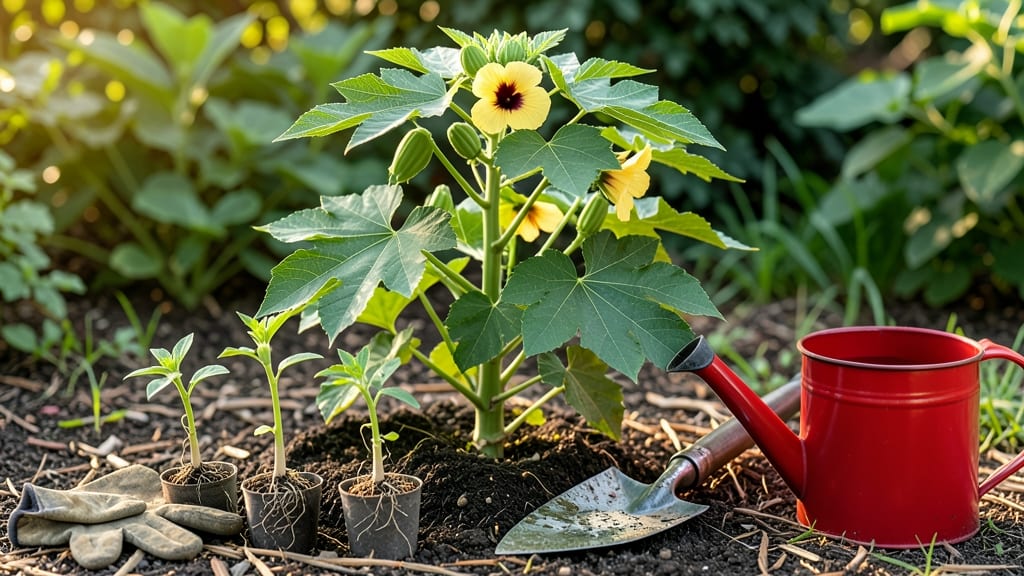
Timing your okra planting in South Carolina can mean the difference between a bountiful harvest and a wasted effort. These heat-loving plants 🌱 demand precise conditions—plant too early, and frost will nip them in the bud; too late, and you’ll miss peak growing season.
For most of South Carolina, especially in USDA zones 7b-9a, the ideal window opens after the last frost—typically between March and May, depending on your region. Soil temperatures need to hit at least 60°F before you even think about sticking those seeds in the ground.
okra thrives in the long, hot summers we get here, but it’s sensitive to cold. Waiting until the air and soil are consistently warm ensures strong, productive plants. I’ll break down exactly when to plant in your specific area and how to maximize your harvest.Ready to grow okra like a pro? Let’s dive into the perfect planting schedule for your corner of South Carolina—and avoid the common mistakes that kill yields before they even start.
South Carolina’s frost-free deadlines for planting okra
Okra thrives in heat and humidity, making South Carolina a perfect match—but timing your planting is critical. The last frost date varies dramatically across the state, from mid-March in Zone 9a to mid-April in Zone 7b.
Planting too early risks frost damage, while waiting too long may shorten your harvest window. Let’s break down the ideal planting windows by region to maximize your okra yield.
For Coastal SC (Zone 8a-9a), you can start seeds indoors in late February or plant directly outdoors by mid-March. The Upstate (Zone 7b) should wait until after April 15 to avoid late frosts. Always check your local USDA Zone and historical frost data for precision.
Okra seeds won’t germinate until soil temperatures reach at least 60°F. Use a soil thermometer to confirm—cold soil delays germination and weakens seedlings. In Piedmont SC (Zone 7b-8a), this typically aligns with late April to early May, while Coastal areas can start earlier.
Okra grows best with consistent warmth, so avoid planting before the last frost date. In Coastal SC, you can even stretch your harvest by planting a second crop in June for a late-season yield. Just ensure soil stays warm—okra hates cold snaps.
If you’re unsure about your local frost dates, check the National Weather Service or use a frost calendar for your county. For example, Charleston (Zone 8a) averages its last frost on March 15, while Greenville (Zone 7b) typically waits until April 15.
Pro tip: Use black plastic mulch to warm soil faster in cooler zones. This trick helps Upstate gardeners plant 2-3 weeks earlier than traditional timelines. Just remove the mulch once plants are established to prevent overheating.
Okra matures quickly—50-60 days to harvest—so plan your schedule to avoid a short harvest window. Staggered plantings every 2 weeks can extend your yield from June to October, depending on your zone.
Watch for late-season heat stress in August-September, especially in Zone 9a. Okra may bolt (flower prematurely) if days get too long and hot. Provide light afternoon shade if temperatures exceed 95°F to protect your plants.
Finally, remember that okra is a direct-sown crop—it doesn’t transplant well. Start seeds 1/2 inch deep and 1 inch apart, thinning to 3-4 inches once seedlings emerge. Thin carefully to avoid disturbing roots.
South Carolina’s frost-free deadlines for planting okra
Okra thrives in South Carolina’s heat, but timing your planting is critical to avoid frost damage or missed harvests. The last frost dates vary by region—from March 15 in Zone 7b (Upstate) to February 15 in Zones 8a-9a (Coastal).
Wait until soil temperatures hit at least 60°F before planting, as cold soil stunts growth.
Okra is a warm-season crop, so planting too early risks frost injury, while waiting too late shortens your harvest window. Most gardeners in SC plant between mid-March and mid-May, depending on their microclimate.
Coastal areas can start earlier, while the Upstate should wait until after April 15 to be safe.
| Region | Last Frost Date | Ideal Planting Window | Soil Temp Requirement |
|---|---|---|---|
| Coastal (Zone 8a-9a) | February 15 | March 1 - April 15 | 60°F+ |
| Piedmont (Zone 7b-8a) | March 15 | April 1 - May 1 | 65°F+ |
| Upstate (Zone 7b) | March 15 | April 15 - May 1 | 65°F+ |
Use a soil thermometer to confirm your garden bed is warm enough before planting. Okra seeds won’t germinate in cold soil, so patience pays off. If you’re unsure about frost dates, check your local Cooperative Extension Service for updated forecasts each year.
Once planted, okra grows quickly—expect 50-80 days to harvest, depending on the variety. Starting seeds indoors in late February or March (for Coastal SC) gives you a head start, but most gardeners prefer direct sowing after the last frost for stronger plants.
Don’t forget to mulch around your okra to retain soil warmth and moisture. A 2-3 inch layer of straw or pine needles helps regulate temperature and keeps roots cool during SC’s intense summer heat.
Okra’s first frost risk arrives in late October to November, so plan your planting to finish harvests before November 15 in Zone 7b or December 1 in Zones 8a-9a. With the right timing, you’ll enjoy fresh okra pods from June through October—just in time for summer meals! 🌱