
Plants
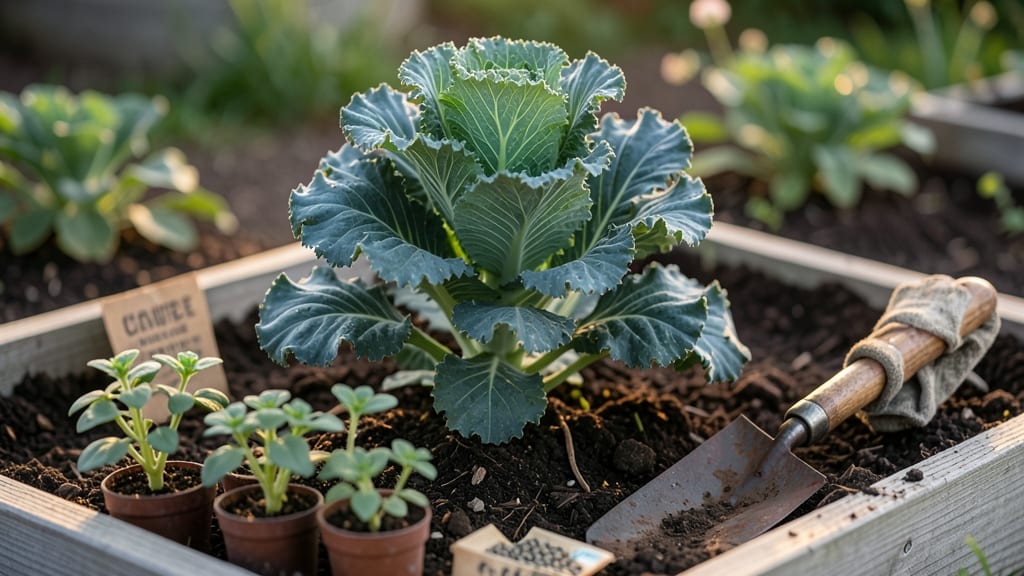
Timing your kale planting in Missouri can feel like a guessing game—get it wrong, and you might end up with bolted greens or frost-bitten leaves before they even mature.
The key is knowing exactly when to plant for your specific zone, whether you're aiming for a spring harvest or a hardy fall crop that lasts through winter.
With Missouri's 5b-6a climate, you've got two prime windows to grow 🥬 kale: early spring (March-April) and late summer (August-September). But here's the catch—planting too early risks frost damage, while starting too late might mean your kale bolts before you can enjoy it.
Let me break down the exact strategy to maximize your harvest without wasting time or resources.
What if you could extend your growing season by 2-4 weeks using simple tricks like row covers or choosing the right varieties? That's exactly what we'll cover, so you can enjoy fresh, crisp kale from spring through winter without the frustration of failed crops.
Ready to transform your Missouri garden into a kale-growing powerhouse? Let's dive into the precise planting schedule and pro tips that'll have you harvesting like a local expert by next season.
Missouri’s kale planting calendar: exact months by frost Zone
Missouri’s USDA Zones 5b-6a create a tight window for kale success—just 4-6 weeks between frost risks. Most gardeners in St. Louis, Kansas City, and Columbia rely on two planting cycles: early spring (March-April) and late summer (August-September).
The key? Time your plantings to avoid last frost (April 15) and first frost (October 15) while giving kale 50-60 days to mature.
For spring plantings, start seeds indoors 6-8 weeks before your last frost date (around February 20-March 5). Transplant seedlings outdoors 2-3 weeks before the last frost, when soil temps hit 40°F+.
Fall plantings are trickier—sow seeds 4-6 weeks before the first frost (around August 20-September 10) for a harvest before winter sets in.
Missouri’s northern regions (Zone 5b) like Sedalia or Kirksville face earlier frosts, while southern areas (Zone 6a) like Springfield or Joplin gain 10-14 extra frost-free days. This means southern gardeners can push fall plantings 2 weeks later than northern growers.
Always check your local frost dates—they can vary 5-10 days even within the same county.
Missouri Kale Planting Timeline by Zone
| Zone | Spring Planting | Fall Planting | Key Notes |
|---|---|---|---|
| 5b (North MO) | Start indoors: Feb 15-Mar 1 Transplant: Mar 20-Apr 5 |
Sow outdoors: Aug 10-Aug 25 | Earlier frosts; use row covers in fall. |
| 6a (South MO) | Start indoors: Feb 20-Mar 10 Transplant: Mar 25-Apr 10 |
Sow outdoors: Aug 20-Sep 5 | Later frosts; can extend fall harvest. |
| Both Zones | Soil temp: 40°F+ | Days to harvest: 50-60 | Use cold frames for winter harvests. |
Direct-sowing kale outdoors is riskier in Missouri’s unpredictable spring weather. If you skip starting seeds indoors, wait until soil temperatures are consistently 45°F+ (usually mid-April) to avoid cold soil stunting young plants. For fall crops, aim to harvest before hard frosts (-10°F), which can damage even cold-hardy varieties like ‘Winterbor.’
Missouri’s short growing season (165 frost-free days) demands efficiency. Space seedlings 12-18 inches apart in rows 24 inches apart to maximize sunlight and airflow. This setup also makes it easier to harvest outer leaves without damaging the plant’s center, extending your harvest by 4-6 weeks.
Pro tip: Use mulch (straw or leaves) after planting to retain soil moisture and moderate temperature swings. In fall, a 3-inch layer of mulch can protect roots from freeze-thaw cycles that split stems.
Pair this with a light row cover on chilly nights (30-40°F) to boost growth speed by 10-15%.
Missouri gardeners often double-crop kale for year-round harvests. After harvesting spring kale in June, replant with fast-maturing varieties like ‘Red Russian’ (ready in 30 days) for a late-summer harvest. This strategy maximizes your garden’s productivity and ensures you always have fresh greens on the table.
Don’t let Missouri’s variable climate discourage you—kale is one of the hardiest cool-season crops. With precise timing and a few season-extending tricks, you can enjoy crisp, flavorful leaves from May through December. The secret? Plan ahead, monitor forecasts, and adapt quickly to Missouri’s ever-changing weather.
🌱
Missouri’s kale planting calendar: exact months by frost Zone
Missouri’s USDA zones 5b-6a create two distinct planting windows for kale—spring and fall—each with its own frost-free timeline. The average last frost date is April 15, while the first frost typically arrives October 15, leaving just 165 frost-free days for your crop.
To maximize yields, focus on these ideal planting months: March-April for spring and August-September for fall.
For spring plantings, direct-sow seeds 4-6 weeks before your last frost (around March 1-15 in most of Missouri). Start transplants indoors 6-8 weeks earlier if you prefer larger seedlings.
In fall, aim to plant 8-10 weeks before the first frost (around August 15-September 1) to ensure maturity before cold sets in.
| Planting Window | Zone 5b (Northern MO) | Zone 6a (Southern MO) | Key Tip |
|---|---|---|---|
| Spring Direct Sow | March 15 - April 1 | March 1 - March 15 | Use row covers for early sowings |
| Spring Transplants | April 1 - April 15 | March 20 - March 30 | Hardy transplants survive light frost |
| Fall Direct Sow | August 15 - September 1 | August 1 - August 15 | Choose fast-maturing varieties |
| Fall Transplants | September 1 - September 15 | August 15 - August 30 | Mulch heavily for winter protection |
Missouri’s northern regions (Zone 5b) have shorter growing seasons, so prioritize fast-maturing varieties like ‘Winterbor’ (ready in 50 days) or ‘Red Russian’ (45 days). In southern Missouri (Zone 6a), you can push planting dates 2 weeks earlier and extend fall harvests until November with protection.
For year-round harvests, stagger plantings every 2-3 weeks from March through September. This creates a rolling buffer against frost and ensures fresh leaves even when some plants bolt. Always test soil temperature—kale thrives when soil is at least 40°F.
Missouri’s unpredictable weather demands flexibility. If spring arrives late, delay planting until May rather than risking frost damage. Similarly, if summer heat lingers, postpone fall plantings until September to avoid bolting from long daylight.
Protect your investment by monitoring local frost forecasts from the National Weather Service or Missouri Botanical Garden. Their weekly updates help adjust planting dates dynamically—because in Missouri, timing is everything for a successful kale harvest. 🥬