
Plants
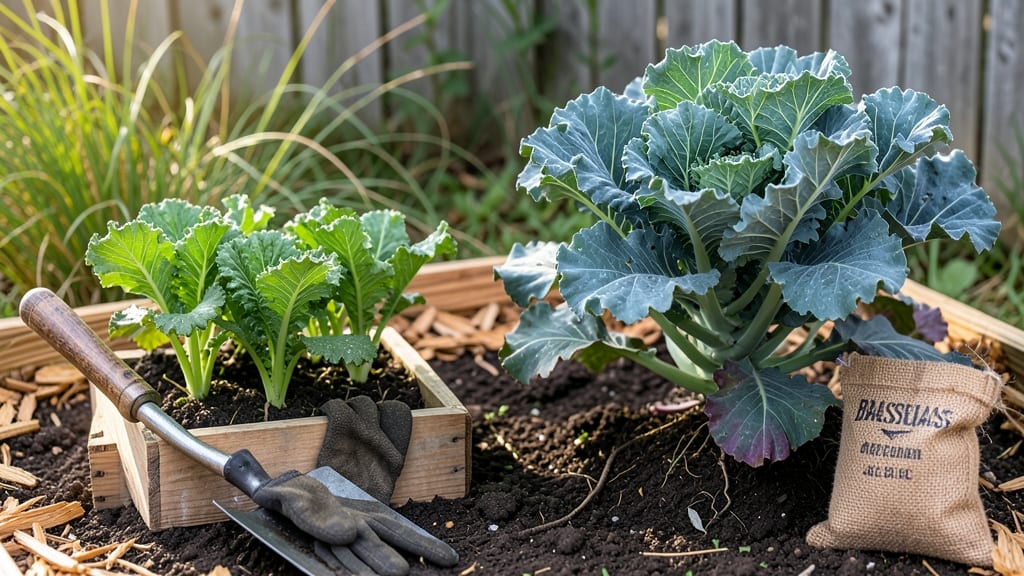
Timing your kale planting in South Carolina can mean the difference between a sweet, tender harvest and bitter, bolted frustration. With Zone 7b-8a offering mild winters and long growing seasons, most gardeners miss the two perfect windows that keep 🥬 thriving year-round.
Planting too early in spring risks heat stress, while late fall crops may not mature before frost. The key is understanding your local frost dates—whether you're in the coastal regions or Piedmont—and how to work with South Carolina's unique climate.
I'll break down the exact timing for both spring and fall crops so you can avoid common mistakes that sabotage kale growth.
You'll discover how to extend your harvest through winter with simple techniques, which varieties perform best in SC's heat, and when to fertilize for maximum yield. Let's get your kale growing on the right schedule for a continuous supply of nutritious leaves all season long.
From soil prep to succession planting, I'll cover everything you need to know to make the most of South Carolina's growing conditions. Whether you're a beginner or experienced gardener, these insights will help you grow kale that's sweeter, healthier, and ready to harvest when you need it most.
South Carolina kale planting calendar by frost dates
South Carolina’s Zone 8a climate gives kale gardeners a unique advantage—long growing seasons and mild winters make it possible to harvest fresh kale almost year-round. But timing is everything. Plant too early, and heat will trigger bitter bolting.
Plant too late, and frost will ruin tender leaves. The key? Align your planting with frost dates and regional microclimates.
Most of South Carolina experiences its last spring frost around March 15, while the first fall frost typically arrives by November 15. However, coastal areas like Charleston may see frost-free winters, while upstate regions like Greenville can experience earlier frosts.
Knowing these dates helps you plan for two main planting windows: early spring and late summer/early fall.
For a spring crop, aim to transplant kale seedlings 4-6 weeks before your last frost date. In most of SC, this means starting seeds indoors in February and transplanting in early March.
This timing ensures your kale matures before summer heat sets in. For a fall crop, transplant seedlings 60-75 days before your first frost—usually between mid-August and early September.
If you’re growing kale in coastal SC, you can push the limits further. Areas like Charleston rarely see frost, so you can plant successive crops every 3-4 weeks from late summer through early winter.
In contrast, upstate regions must act faster—planting fall crops by mid-August ensures harvests before early frosts arrive.
For direct sowing (planting seeds directly in the garden), adjust your timeline by 2-3 weeks earlier than transplanting. Seeds need consistent soil temperatures above 40°F to germinate properly. In SC, this means starting seeds outdoors in early March for spring or mid-July for fall crops.
Pro tip: Use row covers or cold frames to extend your harvest window. These tools can protect kale from light frosts (28-30°F) and even allow you to plant a winter crop in late October for harvests in December and January.
Just remove covers during the day to prevent overheating.
Always check your local USDA Plant Hardiness Zone for precise frost dates. Websites like the South Carolina Climate Office provide hyper-localized data that can refine your planting schedule by days. For most gardeners, a 10-day buffer on either side of frost dates ensures flexibility for weather delays.
Remember, kale is a cool-season crop that thrives when temperatures hover between 50-75°F. Planting outside this range risks bolting (premature flowering) or stunted growth. By following this frost-date guide, you’ll avoid common pitfalls and enjoy sweet, tender kale from spring through winter.
How to extend kale season in South Carolina’s hot summers
South Carolina’s long, hot summers can make growing kale a challenge—but with the right strategies, you can enjoy fresh harvests from fall through winter. The key lies in timing your plantings and using shade to protect tender leaves from heat stress.
Start by planting heat-tolerant varieties like 'Winterbor' or 'Red Russian' in late summer (August-September). These varieties handle mild fall temperatures better than standard types, giving you a longer harvest window before frost arrives.
🌱🌿💧
- 🌡️ Plant in late summer (August-September) for a fall harvest before frost hits. Aim for 60-70 days before your region’s first frost.
- ☀️ Use shade cloth (30-50%) during peak summer heat to prevent bolting. Secure it 3-4 feet above plants for airflow.
- 🌱 Choose bolt-resistant varieties like 'Winterbor' or 'Dwarf Blue Curled.' These handle warmer temps better than standard kale.
- 🛡️ Add row covers in late fall to protect plants from light frosts (28-32°F) and extend harvests into winter.
- 💧 Water deeply in the morning to reduce stress. Keep soil consistently moist but not soggy during hot spells.
For a winter harvest, plant 4-6 weeks before the first frost and use row covers to shield plants from light frosts. Kale actually sweetens after frost, making winter harvests delicious!
If you’re growing kale in containers, move pots to a shady spot during summer afternoons. This prevents heat damage while still allowing enough morning sunlight for growth.
With these techniques, you can enjoy fresh kale harvests from fall through winter—even in South Carolina’s humid climate. Just remember: shade, timing, and variety selection are your best tools!
🌿✂️🍃