
Plants
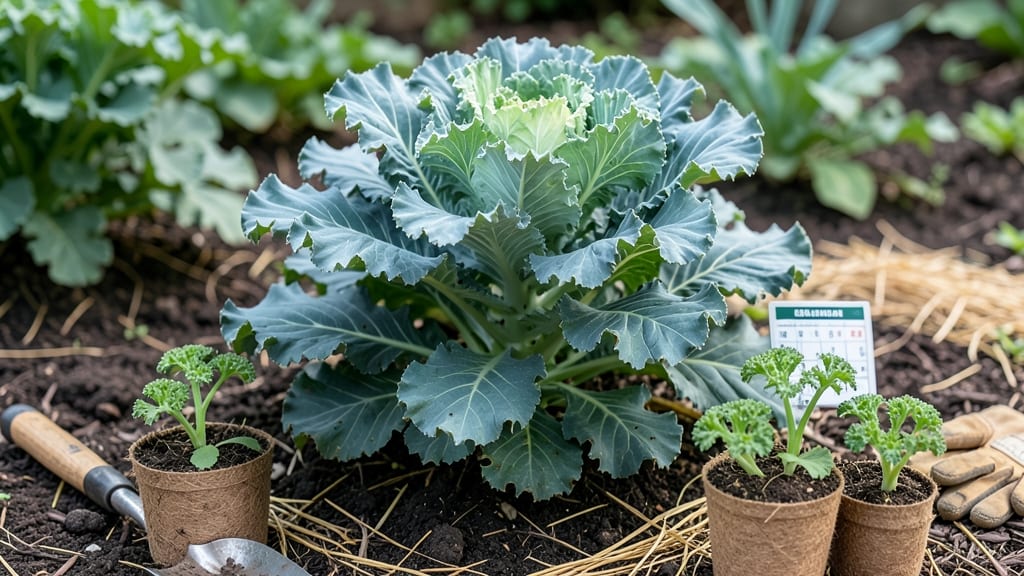
Timing your 🥬 kale planting in Wisconsin isn’t just about following a calendar—it’s about outsmarting frost dates to avoid bitter, bolted leaves. With Wisconsin’s 4a-6b zones, even a week’s miscalculation can turn your garden into a disappointment, but get it right, and you’ll enjoy crisp harvests from June through November.
The key is knowing when to start seeds indoors or transplant seedlings to match your region’s last spring frost—typically around April 15—while also planning for fall’s early frost, which can arrive as soon as October 15.
Whether you’re in northern Wisconsin’s cooler microclimates or southern areas with slightly longer growing seasons, these windows are your roadmap to success.
In this guide, I’ll break down the exact planting windows for both spring and fall, including how to extend your harvest with row covers and which kale varieties thrive in Wisconsin’s heat spikes. No more guesswork—just a foolproof timeline to keep your garden productive all season.
Ready to grow sweet, bolt-free kale? Let’s dive into the frost-date secrets that’ll make your Wisconsin garden the talk of the neighborhood.
Wisconsin kale planting zones: frost-dates by region (2024 guide)
Wisconsin’s USDA hardiness zones 3-5 create dramatic differences in frost timing—planting too early in the north or too late in the south can ruin your kale harvest.
Northern Wisconsin (zone 3-4) faces earlier frosts than southern areas (zone 5), so I’ll break down the critical frost dates by region to help you avoid bitter, bolted kale.
For spring planting, aim for 2-3 weeks after your average last frost date. In fall, start seeds 4-6 weeks before the first frost to ensure a full harvest before winter sets in. Wisconsin’s frost-free growing season typically ranges from 120 to 165 days, depending on location.
Here’s how to match your planting schedule to Wisconsin’s microclimates. Northern regions like Duluth (zone 4a) have shorter seasons, while southern areas like Madison (zone 5b) enjoy longer harvest windows. Let’s dive into the specifics.
If you’re in zone 4a, focus on heat-tolerant varieties like ‘Winterbor’ or ‘Red Russian’ to survive Wisconsin’s hot July summers. These varieties can handle temperatures up to 85°F without bolting prematurely, giving you a longer harvest window.
For southern Wisconsin gardeners, you’ll have more flexibility. Plant early spring crops by April 25 and fall crops as late as September 1 to maximize your harvest. Just be prepared for unpredictable late-summer heat waves that can still trigger bolting.
Always check your local Almanac frost dates—they can vary by 1-2 weeks from the averages. For example, Milwaukee’s last frost might be April 25 one year and May 5 the next. Use row covers or cold frames to extend your season if frost sneaks in early.
Pro tip: Plant successive crops every 2-3 weeks in spring and fall to ensure a continuous harvest. This works especially well in zone 5b, where you can squeeze in two full harvests before winter.
Remember, kale thrives in cool weather—it’s one of the few veggies that tastes sweeter after frost. By aligning your planting with Wisconsin’s frost dates, you’ll enjoy crisp, flavorful leaves from summer straight through fall.
Step-by-step kale planting calendar: spring vs fall strategies
Timing your kale planting in Wisconsin means working with two distinct windows: spring and fall. Each season offers unique advantages—spring gives you an early harvest, while fall extends your growing season well into November.
The key is knowing exactly when to start seeds or set out transplants to avoid bolting or frost damage.
For spring plantings, begin indoors 4-6 weeks before your last frost date (typically mid-March for most of Wisconsin). Transplants can go into the garden 2-3 weeks after the last frost, usually by early May.
This timing ensures your kale matures before summer heat triggers bolting. In northern Wisconsin (zones 3-4), push this timeline slightly later—aim for late April to mid-May.
Fall plantings are my favorite because they reward patience with sweet, frost-hardy leaves. Start seeds indoors 8-10 weeks before the first frost (around late July for most regions) or transplant 6-8 weeks before frost. In southern Wisconsin (zone 5b), this means planting by early August, while northern areas (zone 3a) should wait until mid-August.
📅 Spring Planting Timeline
- 🌱 Mid-March: Start seeds indoors under grow lights (6-8 hours/day).
- 🌿 Late April: Harden off seedlings for 1 week before transplanting.
- 📍 Early May: Plant outdoors after last frost (2-3 weeks after last frost date).
- 💧 May-June: Water deeply 2-3 times per week; mulch to retain moisture.
- ✂️ June-August: Harvest outer leaves; avoid cutting into the center stem.
🍂 Fall Planting Timeline
- 🌱 Late July: Start seeds indoors or direct-sow outdoors (northern WI).
- 🌿 Early August: Transplant seedlings (southern WI) or thin direct-sown seeds.
- 🛡️ September: Use row covers to extend harvest into November.
- 🌡️ October: Light frost sweetens leaves; harvest before hard freeze (28°F).
- 🌱 November: Mulch heavily to protect crowns for overwintering (if using cold-hardy varieties).
Pro tip: Use shade cloth (30-50%) during summer heat waves (above 80°F) to prevent bolting. I’ve seen kale bolt in July when temps spike unexpectedly—don’t let that happen to you! For northern Wisconsin, prioritize cold-hardy varieties like ‘Winterbor’ or ‘Vates’ to survive early frosts.
Extend your harvest even further by succession planting. Sow a second crop of seeds every 2-3 weeks in spring or every 4 weeks in fall. This staggered approach ensures a continuous supply of fresh kale, even when one batch bolts or gets frostbitten.
Just remember: soil temperature matters—kale seeds need 40-85°F to germinate, so wait until the ground warms up in spring.
Finally, don’t overlook soil prep. Kale thrives in well-draining, slightly acidic soil (pH 6.0-7.0). Amend your beds with compost and a balanced fertilizer (5-10-10) before planting. In clay-heavy soils (common in Wisconsin), mix in sand or peat moss to improve drainage—kale hates soggy roots.