
Plants
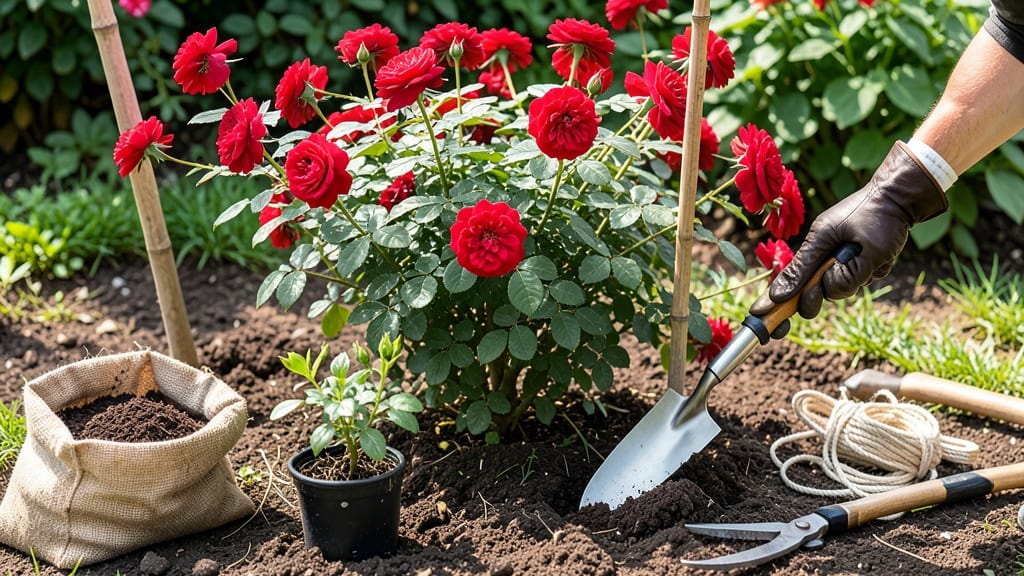
Timing your Knockout Roses 🌹 planting in North Carolina isn't just about the calendar—it's about understanding when the soil warms up enough to fuel strong root growth. Plant too early, and frost can damage tender roots; too late, and your roses might struggle to establish before summer heat sets in.
This humid subtropical climate gives you two prime windows: late winter to early spring (February through April) or fall (September to October). But here's the secret: soil temperature matters more than dates. When those temps hit 50-65°F, your roses will thrive.
Whether you're in the Piedmont's rolling hills or coastal Wilmington, I'll show you exactly how to read your soil's temperature signals and adjust for your microclimate. No more guessing—just confident planting that leads to blooms that last all season.
Let's dive into the soil science behind perfect timing so your Knockout Roses get off to the strongest start possible. You'll learn the critical triggers, common mistakes to avoid, and how to prepare your soil for maximum success.
North Carolina’s best planting window for Knockout roses based on soil temperature
Timing your Knockout roses for North Carolina’s climate means balancing soil temperature (50–65°F) with regional frost dates. The ideal window spans February through April for spring planting, while fall planting (September–October) offers a second chance.
Coastal areas like Wilmington enjoy milder winters, while the Piedmont and mountains (e.g., Asheville) face earlier frosts—adjust accordingly.
For strong root establishment, aim to plant when daytime highs consistently reach 60°F and nighttime lows stay above 40°F. This typically aligns with late March to early April in most of NC, but elevated regions may need to wait until May. Fall planting, on the other hand, should wrap up by mid-October to allow roots to anchor before winter dormancy.
Here’s how North Carolina’s microclimates shift planting windows:
| Region | USDA Zone | Spring Planting Window | Fall Planting Window | Key Soil Temp Trigger |
|---|---|---|---|---|
| Coastal (Wilmington, Outer Banks) | 8a-8b | Late Feb–March | Oct–Nov 15 | 55–65°F (earlier than inland) |
| Piedmont (Raleigh, Charlotte) | 7b-8a | March–April | Sept 15–Oct 15 | 50–60°F (wait for last frost) |
| Mountains (Asheville, Boone) | 6a-7a | April–May | Sept 1–Oct 1 | 50–65°F (soil warms slower) |
In coastal NC, where winters are milder, you can plant Knockout roses as early as late February—just ensure soil temps stay above 55°F to avoid root rot.
Meanwhile, mountain regions like Asheville often wait until April or May due to late spring frosts. Piedmont areas (e.g., Raleigh) strike a balance, typically planting in March–April.
For fall planting, prioritize root establishment before first frost. In Zone 8b (coastal), you can push into November, while Zone 7a (Piedmont) should finish by mid-October. Mountain zones (6a) must plant by early September to avoid winter stress.
Pro tip: Use mulch (3–4 inches) after planting to regulate soil temperature and retain moisture. In hot summers, mulch also protects roots from heat stress, a common issue in Zone 8b areas like Fayetteville. Organic mulch (e.g., pine straw) works best for Knockout roses.
If you’re unsure about your last frost date, check the NC State Extension frost map or use a soil thermometer ($10–$15 at garden centers). Planting too early risks frost damage, while planting too late delays root growth and first-year blooms.
Aim for 6–8 weeks before your average last frost to give roots time to establish.
For container gardening in NC, follow the same soil temp rules but use larger pots (15+ gallons) to maintain stable root zones. Containers warm up faster than ground soil, so you may need to delay planting by 2–3 weeks compared to in-ground plantings.
🌹
North Carolina’s best planting window for Knockout roses based on soil temperature
North Carolina’s humid subtropical climate creates distinct planting zones, so timing is everything for Knockout Roses. The optimal window spans from late winter to early spring (February–April), aligning with soil temperatures between 50–65°F.
This range ensures roots establish before summer heat arrives, while avoiding frost risks in USDA Zones 6b–8a.
For coastal areas (e.g., Wilmington), milder winters allow planting as early as January, while mountain regions (e.g., Asheville) may need to wait until April due to later frost dates. Fall planting (September–October) is also ideal, giving roots time to settle before winter dormancy.
🌱 North Carolina Knockout Rose Planting Timeline
| Region | Best Planting Window | Soil Temp Trigger | Key Consideration |
|---|---|---|---|
| Coastal (Zones 8a-8b) | Jan–March or Sept–Oct | 50–65°F | Milder winters; avoid late frosts |
| Piedmont (Zones 7a-7b) | Feb–April or Sept | 55–65°F | Balanced climate; ideal for most growers |
| Mountains (Zones 6b-7a) | April or Sept–Oct | 60–65°F | Later frosts; prioritize fall planting |
In coastal NC, where winters are mild, you can plant Knockout Roses as early as January if soil temps stay above 50°F. However, Piedmont gardens should aim for February–March to avoid late spring frosts, while mountain regions often wait until April for safety.
Fall planting (September–October) works statewide, as cooler temps reduce stress. Just ensure roots have 4–6 weeks to establish before first frost. For Asheville gardeners, this means planting by mid-October.
Pro tip: Use mulch (3–4 inches) after planting to regulate soil temps and retain moisture, especially in sandy soils common in coastal areas. This helps roots adjust faster to NC’s variable climate.
Always check your local last frost date—planting too early risks frost damage, while waiting too long can stress young roots before summer’s heat. Knockout Roses reward patience with continuous blooms all season! 🌹