
Plants
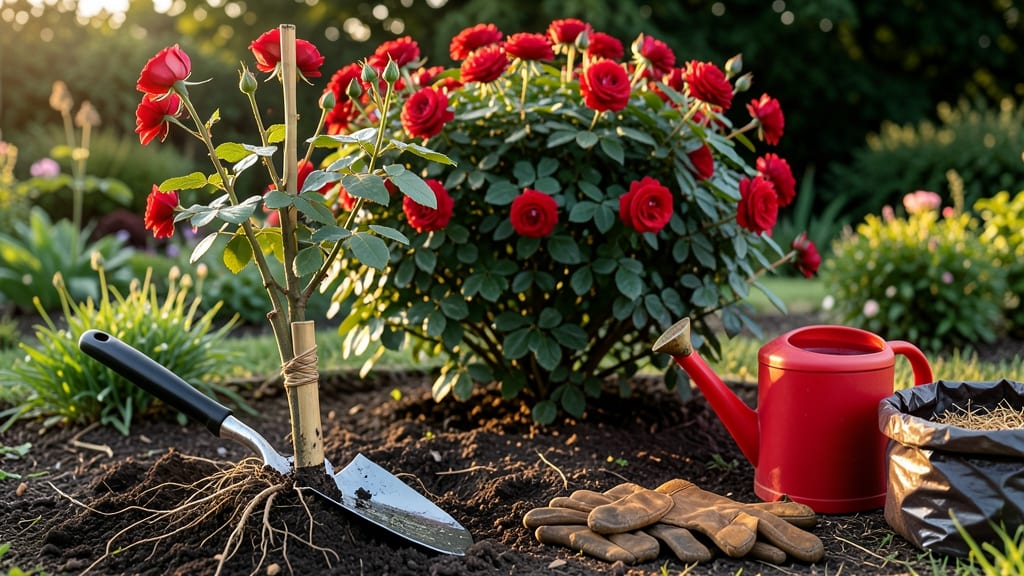
Planting your 🌹 Knockout Roses at the wrong time in Ohio can mean the difference between vibrant blooms and struggling shrubs. The key to success lies in understanding your local frost dates and soil conditions—because these tough roses still need the right start to thrive in Zone 6a.
Most Ohio gardeners know spring is the prime window, but did you know fall planting can actually give your roses a head start? With the right timing—typically March through May or September through October—you’ll help your roses establish strong roots before summer heat or winter chill sets in.
I’ll walk you through the exact frost-free timeline for your region, plus soil prep tips and mulching tricks to protect your investment. Whether you’re a first-time gardener or a seasoned pro, these insights will help you avoid common mistakes and enjoy continuous blooms all season long.
Ready to transform your garden? Let’s dive into the best planting schedule tailored for Ohio’s climate, so your Knockout Roses get off to the best possible start.
Ohio’s frost-free zones: best planting windows for knockout roses
Ohio’s USDA hardiness zones 5-7 create a unique challenge for planting knockout roses—too early, and frost zaps tender roots; too late, and they won’t establish before winter. The key is planting when soil temperatures hit 60°F+ and the risk of frost has passed.
For Ohio, this typically means two ideal windows: early spring (after last frost) or fall (before first frost).
Most of Ohio falls within zones 5b-7a, with northwest Ohio (zone 5b) having the shortest frost-free season (~150 days) and southwest Ohio (zone 6b-7a) enjoying ~180 days.
This means timing varies by 1-2 weeks between regions. Use the Ohio State University Extension’s frost date maps to pinpoint your local window.
For spring planting, aim for mid-April to early May in most of Ohio. In zone 5b (northwest), wait until late April to avoid late frosts. For fall planting, September to early October gives roots time to establish before winter dormancy.
In zone 7a (southwest), you can push fall planting to mid-October with proper mulching.
Here’s a quick guide to Ohio’s frost-free zones and ideal planting windows:
| Zone | Spring Planting Window | Fall Planting Window | Last Frost Date | First Frost Date |
|---|---|---|---|---|
| 5b (Northeast/Central) | Late April - Early May | Early September - Mid-September | Mid-April | Mid-October |
| 6a (Central/Southeast) | Mid-April - Late April | Mid-September - Early October | Early April | Late October |
| 6b-7a (Southwest) | Early April - Mid-April | Late September - Mid-October | Late March | Early November |
To confirm your local frost dates, check the Ohio State University Extension’s frost calendar or use a soil thermometer—knockout roses need soil temps above 60°F for root growth. In zone 5b, I’ve planted in early May and seen strong establishment, while in zone 6b, mid-April works perfectly.
For container-grown knockout roses, you can plant 1-2 weeks earlier in spring since pots warm faster. However, always harden off container plants by acclimating them outdoors for 3-5 days before planting to avoid shock.
In my zone 6a garden, I’ve successfully planted container roses in late April with no issues.
Fall planting is often underutilized but ideal for Ohio’s climate. Planting in September gives roots 6-8 weeks to establish before winter. In zone 7a, I’ve had knockout roses thrive when planted in early October, thanks to 3 inches of mulch protecting roots.
Just avoid planting if frost is forecasted within 2 weeks.
Pro tip: Use row covers or frost blankets to extend your spring planting window by 1-2 weeks. I’ve used them to plant in early April in zone 5b without frost damage. Just remove covers when daytime temps hit 70°F+ to prevent overheating.
Always test your soil’s drainage and pH before planting—knockout roses prefer 6.0-6.5 pH and well-draining soil. In Ohio’s clay-heavy soils, I’ve added compost and sand to improve drainage. A simple soil test kit (available at garden centers) will save you from guesswork.
Finally, mark your calendar for Ohio’s average frost dates—they shift slightly yearly. For 2024, I’m targeting May 1st for spring planting in my zone 6a garden, giving me a 140-day growing season before first frost. Adjust based on your local microclimate!
Ohio’s frost-free zones: best planting windows for knockout roses
Ohio’s USDA zones 5-7 create distinct planting windows for Knockout Roses, where timing can mean the difference between thriving blooms and frost damage.
In Zone 5 (northern Ohio), aim for April 15–May 15 in spring or September 15–October 15 in fall. Zone 6 (central Ohio) offers a slightly longer window—April 1–May 10 or September 1–October 10—while Zone 7 (southern Ohio) can plant as early as March 20–April 30 or until October 15.
Always check your local last frost date (typically mid-April) to avoid cold snaps.
Spring planting gives roses 6–8 weeks to establish roots before summer heat, while fall planting allows roots to grow before winter dormancy. Fall is ideal because cooler temps reduce stress, and mulching helps insulate roots.
For container-grown roses, extend your window by 2–3 weeks since pots warm up faster in spring and cool down slower in fall.
Use this frost-free timeline to guide your planting schedule:
| Zone | Spring Window | Fall Window | Soil Temp | Key Tip |
|---|---|---|---|---|
| 5 (Northern OH) | April 15–May 15 | September 15–October 15 | 60°F+ | Use row covers for late frosts |
| 6 (Central OH) | April 1–May 10 | September 1–October 10 | 55°F+ | Mulch heavily in fall |
| 7 (Southern OH) | March 20–April 30 | September 15–October 15 | 50°F+ | Plant earlier for longer bloom season |
For bare-root roses, soak roots for 4–6 hours before planting to rehydrate them. If planting in heavy clay soil (common in northern Ohio), amend with compost or sand to improve drainage. Well-draining soil prevents root rot, especially in humid Ohio summers.
Test your soil’s pH (6.0–6.5) before planting—Knockout Roses thrive in slightly acidic conditions. If your soil is too alkaline, add sulfur or peat moss to adjust. Ohio State University Extension offers free soil tests; use their local recommendations for amendments.
After planting, water deeply to settle soil around roots, then mulch with 3–4 inches of organic mulch (like shredded bark) to retain moisture and suppress weeds. Consistent moisture is critical in Ohio’s variable climate—drought stress weakens roses, making them susceptible to pests.
Monitor your roses for early signs of stress, like yellowing leaves or stunted growth, which may signal planting too late or poor soil conditions. Adjust care accordingly—prune lightly in the first year to encourage bushier growth, and avoid heavy fertilizing until roots are established.